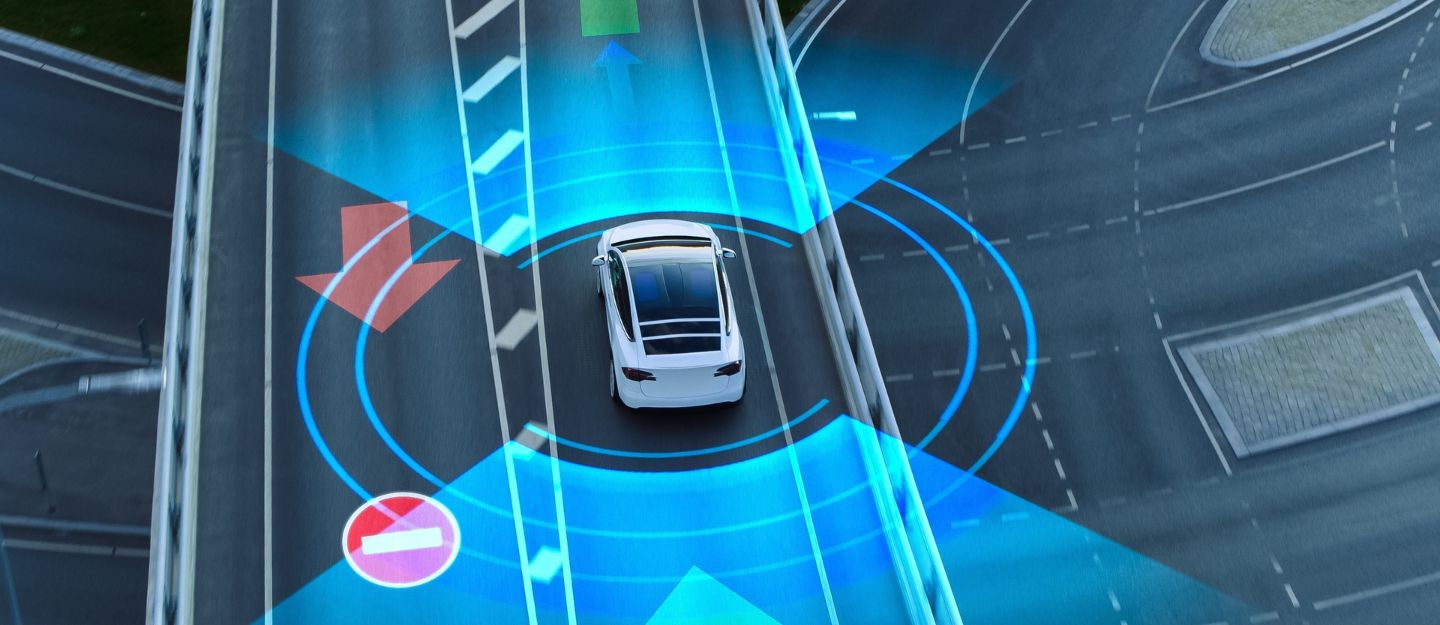
Automakers are constantly innovating to introduce advanced technologies that increase safety and driveability. Among these innovations, Intelligent Speed Assistance (ISA) and Adaptive Cruise Control (ACC) are at the forefront. ISA monitors speed limits and helps drivers avoid overspeeding. Whereas, ACC automatically adjusts the car’s speed to keep a safe distance from vehicles ahead. But how exactly do these systems work and why are they becoming essential for modern vehicles?
Let’s explore the working, pros and cons of ISA and ACC in modern cars.
What is Intelligent Speed Assistance (ISA)?
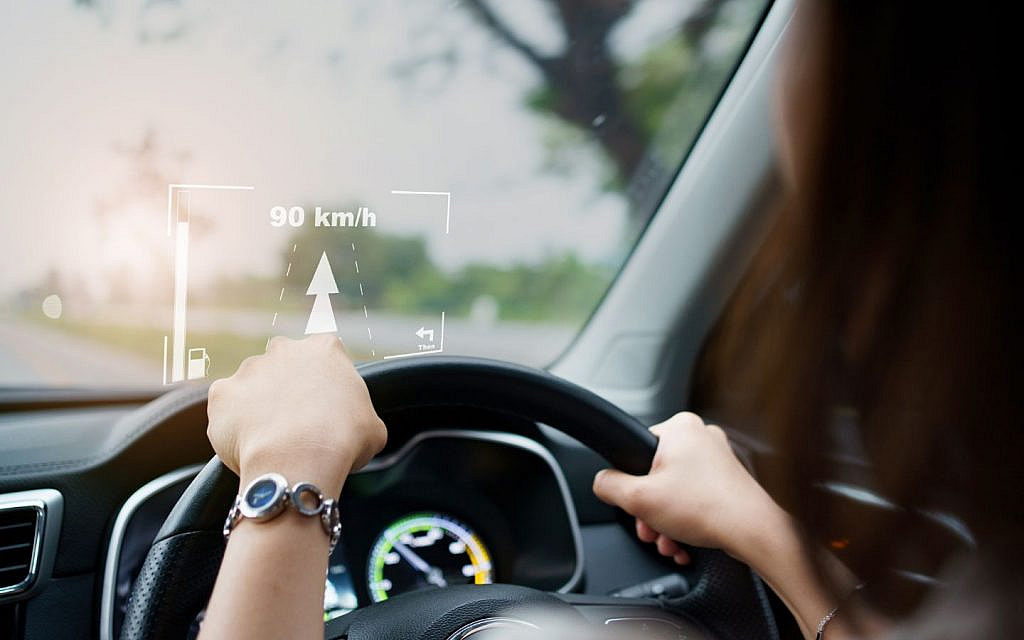
ISA is an Advanced Driver-Assistance System (ADAS) that helps maintain speed. It uses multiple cameras to recognise speed limit road signs and combines this with GPS data to determine the current speed limit.
When a vehicle exceeds the limit, ISA alerts the driver through warning lights and sounds or light pressure on the accelerator. In some cases, the system can gently reduce engine power to keep the vehicle within the UAE’s legal speed limits.
Pros of ISA
Now that ISA in modern cars has been explained, let’s look at some of its pros to better understand how it supports safer and more efficient driving.

- Helps maintain compliance with speed limits and reduce chances of overspeeding-related accidents.
- Provides real-time alerts through dashboard warning lights and sounds and increasing pedal pressure.
- Improves fuel efficiency by maintaining a consistent speed.
- Supports smoother traffic flow by reducing sudden braking and speeding.
- Lowers vehicle wear and tear, reducing maintenance costs over time.
Cons of IAS
While ISA in modern cars offers many benefits, it’s also important to consider some of its limitations to get a complete picture of how the system works.
- Limited effectiveness if speed signs are missing, obscured or damaged.
- The efficiency of IAS can be compromised if maps are outdated.
- ISA may misinterpret speed limits due to obscured road signs, causing unnecessary warnings.
- It might make drivers stick exactly to speed limits, even when slower speeds are safer, such as on curves or hills
What is Adaptive Cruise Control (ACC)?
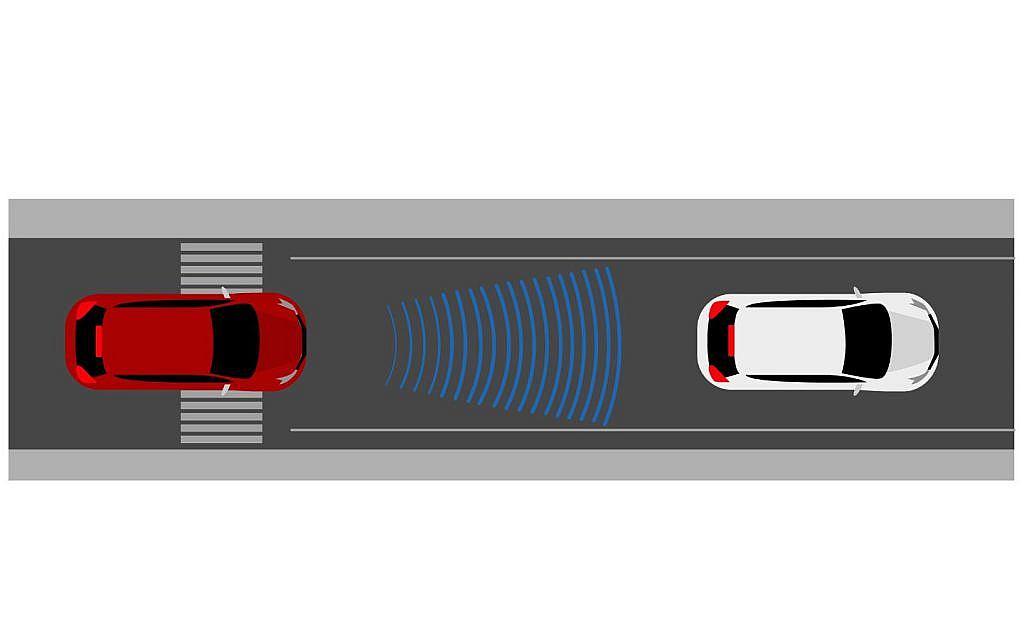
ACC is a driver assistance feature that monitors the vehicle ahead and maintains a safe following distance. It uses radar and different types of sensors to automatically adjust speed, either slowing down or accelerating, to avoid tailgating. The ACC reduces the need for frequent braking or acceleration, particularly on highways or during traffic congestion.
Pros of ACC
Let’s go through the benefits of Adaptive Cruise Control to understand how it supports safer driving and reduces effort in traffic and on highways.
- Enhances safety by maintaining a safe following distance and helping to prevent collisions.
- Delivers a smoother and more comfortable drive by automatically adjusting speed during traffic congestion.
- It can improve fuel efficiency in steady driving conditions by minimising unnecessary acceleration and braking.
- Useful in heavy traffic situations, reducing the stress of tailgating.
Cons of ACC
While ACC offers several advantages, it also has some limitations that affect its performance in certain driving conditions.
- May malfunction in complex or unpredictable traffic conditions, such as sudden lane changes, erratic drivers or large vehicles.
- Performance of ACC can be affected by adverse weather conditions like heavy rain, fog or snow, which interfere with sensors.
- In some terrains, such as hilly or curvy roads, ACC’s frequent speed adjustments can reduce fuel efficiency.
- Repair and maintenance of ACC systems can be expensive due to their complexity
Key Differences Between ISA and ACC
Now that you are aware of how both systems work, let’s take a look at the key differences between ISA and ACC in modern cars.
Purpose
ISA is designed to ensure the vehicle stays within legal speed limits. Whereas, ACC focuses on maintaining a safe distance from the vehicle ahead.
Working
ISA uses cameras, sensors and detailed maps to detect speed limits. It then alerts the driver or gently slows the car if the speed limit is exceeded.
ACC uses radar and cameras to monitor traffic ahead, automatically adjusting the car’s speed to keep a safe following distance.
Technology

ISA relies heavily on accurate, up-to-date mapping data combined with real-time sensor input to determine speed limits precisely.
On the contrary, ACC depends more on immediate sensory data (radar and cameras) to respond to changing traffic conditions in real time.
FAQs
Can ISA and ACC work together in a car?
Yes, ISA and ACC can work together in a car. They complement each other by controlling speed limits and maintaining safe following distances to enhance overall driving safety.
Do all new cars come with ISA and ACC features?
Not all new cars come standard with both ISA and ACC features. While ACC is increasingly common, especially in mid- to high-end models, however, ISA is still rare.
What sensors are used in Adaptive Cruise Control?
Adaptive Cruise Control (ACC) primarily uses radar sensors that emit microwave signals to detect the distance and speed of vehicles ahead.
As the automotive industry advances, ISA and ACC in modern cars are redefining how vehicles interact with road conditions and traffic. These technologies go beyond simple features, becoming essential tools that promote safe and responsible driving. Their increasing presence in modern cars reflects a safer future of mobility. That said, when opting for a new or used car for sale in the UAE, make sure it has ACC and IAS along with other modern features.
Stay tuned to dubizzle’s auto blog for more insights on car features and technologies.
Related Posts