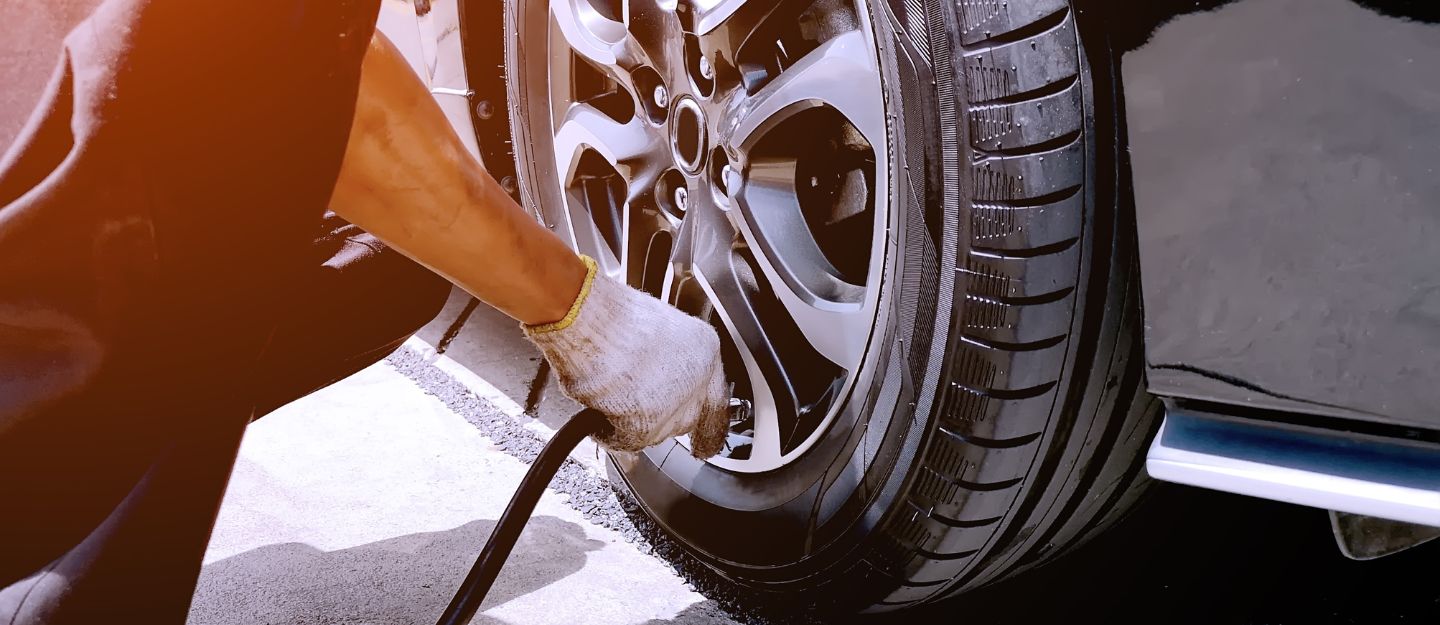
Keeping your car tyres properly inflated is important for safety, fuel efficiency, and longevity. While air compressors and petrol stations are the usual options, you can use a bike pump if needed. It takes more effort and time, but it’s possible. Here is the step-by-step process to Inflate a car tyre with a bike pump.
Step-By-Step Guide on How to Inflate Car Tyre with Bike Pump
Inflating car tyres with a bicycle pump is a feasible task, but it comes with several challenges and considerations. Let us walk you through the process, highlighting the necessary tools, steps and safety precautions.
Required Tools
This is the list of required tools for Inflating car tyres with a bicycle pump:
- Bike Pump (with a Schrader valve)
- Tyre Pressure Gauge
- Valve Caps (removed for inflation and reattached afterwards)
- Plastic Bag or Small Container (for storing valve caps)
- Owner’s Manual or Online Resource (for checking recommended tyre pressure)
Optional:
- Sealable Container (to prevent losing valve caps)
- Alternative Tool for Releasing Air (if over-inflation occurs)
These tools ensure an efficient and accurate tyre inflation process
Step 1: Preparing to Pump
Park on a Flat, Clear Surface
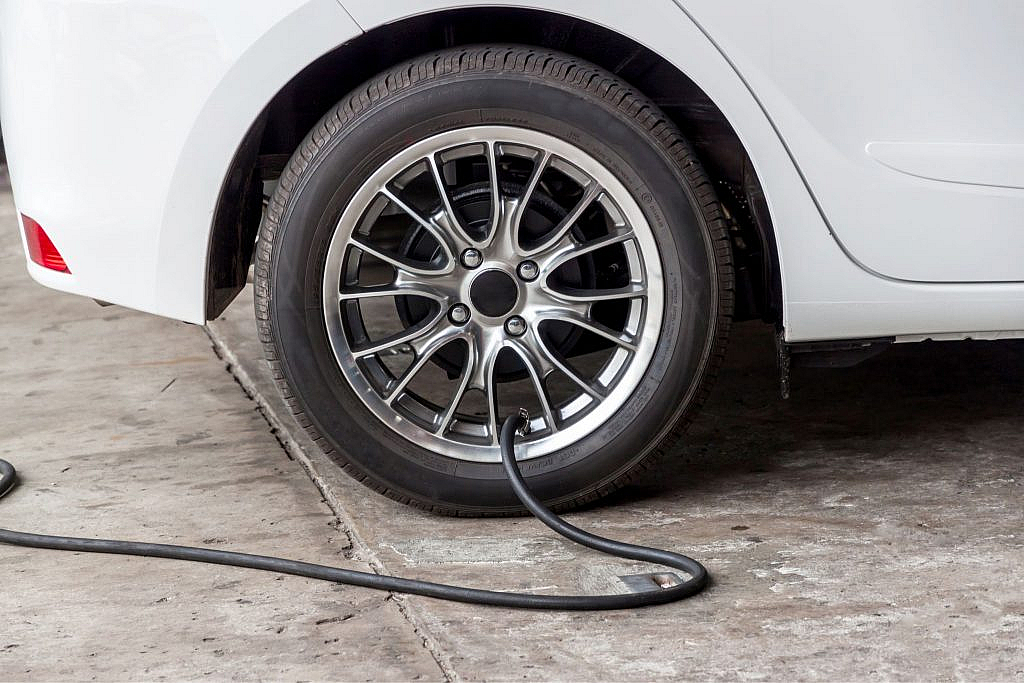
Before you begin, ensure the vehicle is parked on a level surface. This will allow you to move freely around the car while inflating the tyres. A flat surface also ensures stability, making it easier to operate the bike pump. For safety, avoid driving on completely flat tyres as this can damage the tyre’s structure and even the wheel rims. Move the car as little as possible until the tyre is properly inflated.
Remove the Valve Caps
Locate the valve caps on your tyres—usually small screw-on covers. Unscrew them and keep them in a safe place, like a small plastic bag, this way they don’t get lost.

Find the Recommended Tyre Pressure
Each vehicle has a recommended tyre pressure, measured in PSI (pounds per square inch). You can find this information on a sticker inside the driver’s door frame or in the owner’s manual. If neither is available, check online for your car’s specific tyre pressure requirements.
- Note: Some vehicles require different PSI levels for front and rear tyres, check accordingly.
Check the Current Tyre Pressure
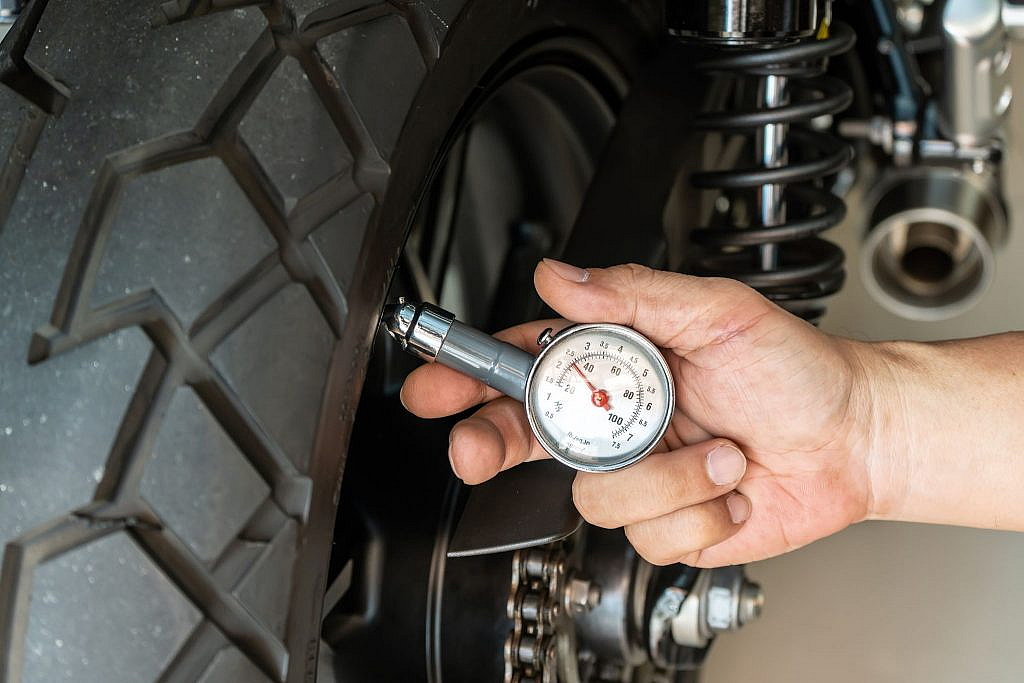
Use a tyre pressure gauge to measure the correct air pressure in each tyre. Here’s how:
- Press the gauge onto the tyre valve stem firmly.
- Wait until the gauge provides a reading.
- Compare the reading with the recommended PSI.
For the most accurate reading, check the pressure when the tyres are cold (after the car has been stationary for at least three hours).
Step 2: Inflating the Tyre with a Bike Pump
Attach the Pump to the Tyre Valve
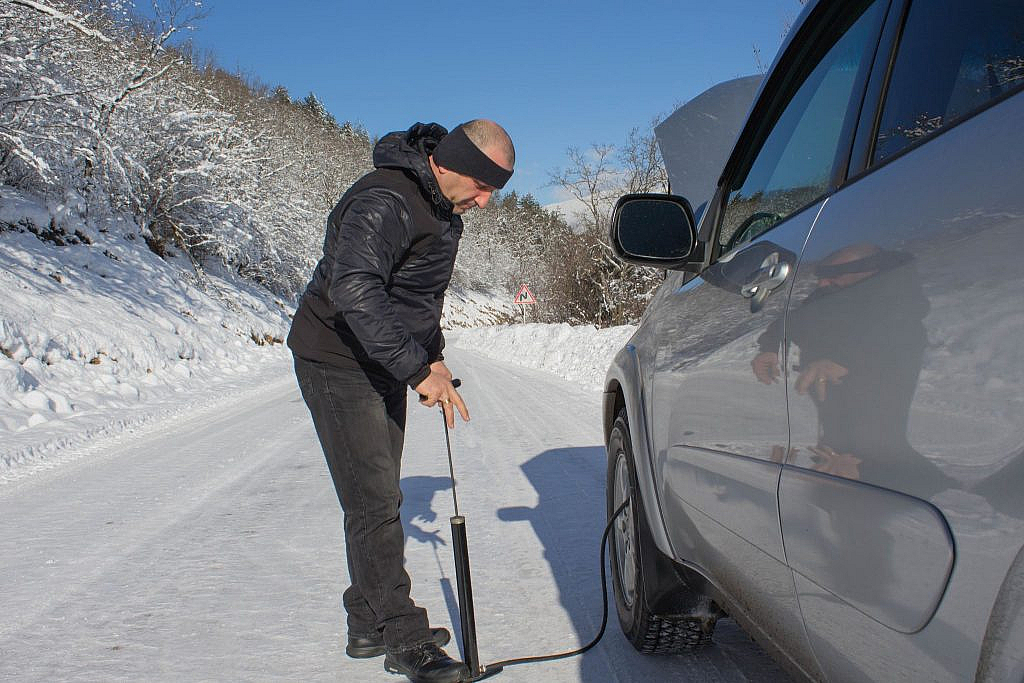
Most bike pumps are compatible with schrader valves (the same type used in car tyres). Here’s how to attach the pump:
- Position the pump’s nozzle over the tyre valve.
- Press it firmly onto the valve.
- Lift the locking lever to secure the connection.
You might hear a small hiss of air escaping, which is normal. However, if you hear continuous leaking, reposition the pump for a tighter seal.
Start Pumping
Now comes the hard part – how to use a bike pump for car tyres. Pump steadily with smooth, even strokes. This process can take a while since bike pumps move less air than air compressors.
- Periodically stop and check the pressure with your gauge.
- Avoid overinflating, as too much air pressure can strain the tyres.
- As a general rule, stay within 5 PSI of the recommended tyre pressure.
Adjust the Pressure If Needed
If you accidentally overinflate the tyre, release some air by pressing the small pin inside the valve stem. Check the pressure after each adjustment to avoid deflating too much. Uneven tyre pressure can lead to premature tyre wear and decreased fuel efficiency, make sure all tyres are at the correct PSI.
Repeat for All Tyres
Move around the vehicle and repeat the process for each tyre. Once all tyres are inflated to the proper pressure, screw the valve caps back on to prevent dirt and debris from entering the valve stems.
Step 3: Troubleshooting Common Issues
Don’t Rely on Built-In Compressor Gauges
Many air compressors have built-in pressure gauges, but these are often inaccurate. Always use a separate, dedicated tyre pressure gauge for the most reliable reading.
Check the Pump Seal
If air is escaping while you pump, ensure the pump nozzle is securely fastened to the valve. Reattach it if necessary to create a proper seal.
Inspect the Pump Hose for Leaks
Over time, bike pump hoses can develop cracks or leaks, making inflation inefficient. If you suspect your pump isn’t working properly, check the hose for signs of wear and tear.
Things to Consider
- Time and Effort: A bike pump is not the most efficient way to inflate a car tyre, but it is for emergency car tyre inflation.
- Pump Type Matters: A floor pump with a high-pressure gauge is more effective than a handheld pump.
- Avoid Over-Inflation: Always use a gauge to prevent damage to the tyre.
- Regular Maintenance: If your tyres lose air frequently, inspect them for leaks or punctures and avoid common tyre problems.
- Physical Strain: Inflating tyres with a bike pump can be physically demanding; take breaks if needed to avoid fatigue or injury.
FAQs
Can I pump up a car tyre with a bike pump?
Yes, but it will take a lot of effort and time due to the higher pressure and volume needed.
Can you inflate a car tyre with a hand pump?
Yes, but it is slow and difficult. It’s best for emergency use only.
How to inflate a car tyre without an air compressor?
Use a bike pump, foot pump or CO2 inflator, but expect it to take time and effort.
How much pressure does the car tyre require?
Most car tyres require 30–35 PSI (pounds per square inch) of pressure. However, always check the recommended pressure in your vehicle’s manual or the sticker inside the driver’s door for accuracy.
Inflating a car tyre with a bike pump is entirely possible, though it requires more effort than using an air compressor. This method is a lifesaver in emergencies when you don’t have access to a proper air pump. By following these steps carefully, you can ensure your tyres are properly inflated, promoting better fuel efficiency, smoother handling and longer tyre lifespan.
Besides, ensuring car tyres safety in the UAE is crucial, as poorly maintained tyres pose a significant road hazard. To address this, the UAE mandates a maximum tyre validity of five years.
If your tyres have reached the end of their lifespan, you should replace them by buying tyres in Dubai from these popular places. You can also get a sort after a variety of tyres for sale in Dubai from dubizzle.
Those considering replacing their vehicles can explore these used cars for sale in the UAE.
Looking for expert car maintenance tips? Check out the UAE’s leading auto blog for the latest tools, features and insights!
Related Posts