The history of car air-conditioner has become a must-have feature in modern vehicles. It provides comfort, especially during hot weather and makes journeys more enjoyable. But this wasn’t always the case. The journey of car air-conditioning from a rare luxury feature to the standard one is full of technological advancements and evolving consumer demands.
This evolution uncovers how the automotive industry has adapted to provide better comfort and convenience to drivers and passengers. Let’s walk through the history of car air conditioning and see how it has evolved over the decades.
Early Days: 1930s – 1950s
The concept of car air-conditioning was first proposed in the late 1930s. In 1939, the Packard Motor Car Company introduced the first air-conditioned car. The system was quite basic by today’s standards. It didn’t have controls to adjust the temperature or airflow.
This AC unit was based on a large unit installed in the trunk, reducing the car’s storage space. It was also expensive, making it accessible only to a few wealthy individuals. Despite technological limitations, this marked the beginning of air-conditioned comfort in cars.
1950-1970: Growing Popularity
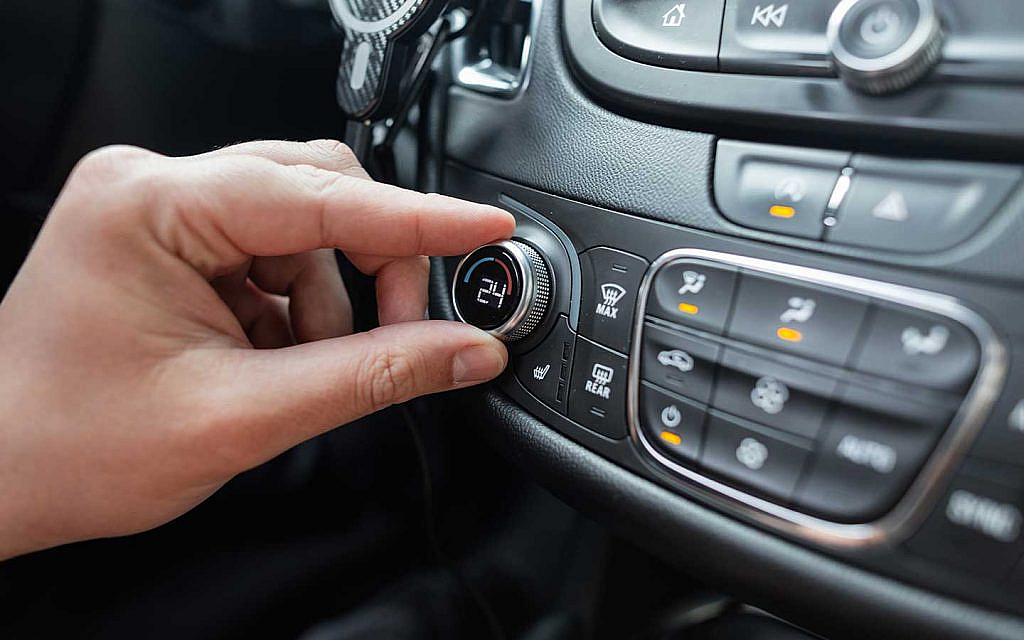
By the 1950s, the evolution of car air-conditioner had just begun in developed countries. Major car manufacturers like General Motors began offering air-conditioning as an optional feature. Although still a luxury, it became more common in high-end vehicles. Technological advancements have also made the systems more reliable and smaller.

However, the cost remained high and air-conditioning units were still large, usually requiring installation in the trunk. This period also saw more people becoming aware of the benefits of car air-conditioning, leading to increased demand.
1970-1990: Standardisation and Innovation
The evolution of auto air conditioning paced up in the post 1970 era. The 1970s brought significant changes in the car air-conditioning industry. Technological advancements made these systems more compact, efficient and affordable. The oil crisis in the 1970s also encouraged manufacturers to develop more energy-efficient systems. By the 1980s, air-conditioning had become a standard feature in many vehicles, not just luxury models.
Introducing controls that allowed drivers to adjust temperature and airflow provided a more customised and comfortable experience. This era also saw the development of systems that integrated air-conditioning with the car’s heating system, offering better overall climate control.
1990-2010: Advancement of the System
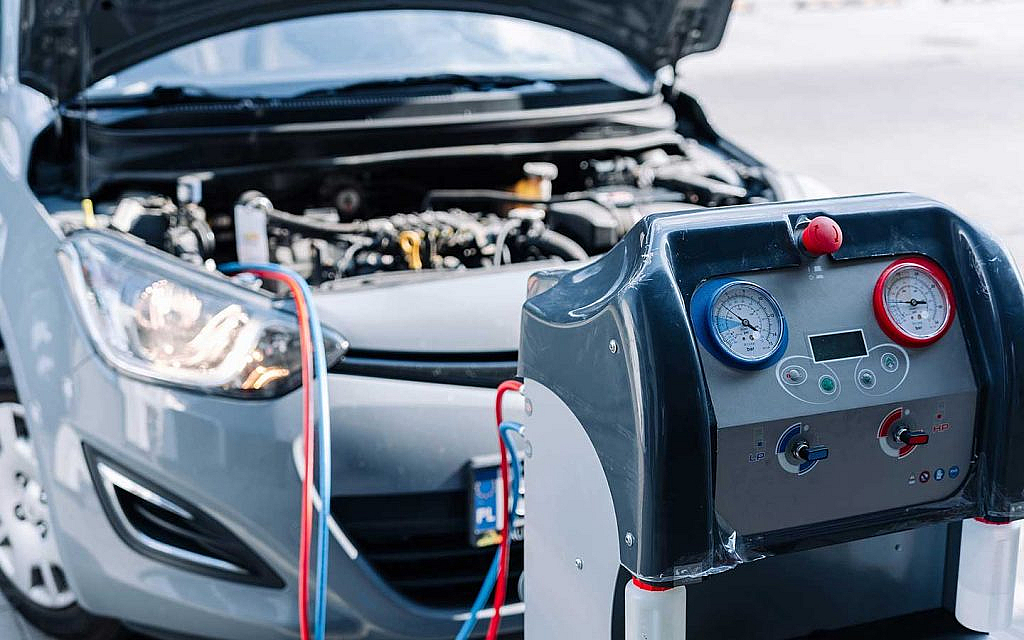
From the 1990s to 2010, the history of car air-conditioner saw further refinement. This period marked the transition from manual to automatic climate control systems. Digital controls became common for precise temperature settings. Dual-zone climate control came into the market at this time. This new technology enabled drivers and passengers to set different temperatures for different vehicle parts.
These systems became more efficient and were designed to minimise environmental impact using less harmful refrigerants. Air-conditioning was now a standard feature in nearly all new vehicles, reflecting its importance to consumers.
2010 Onwards: Modern Climate Control
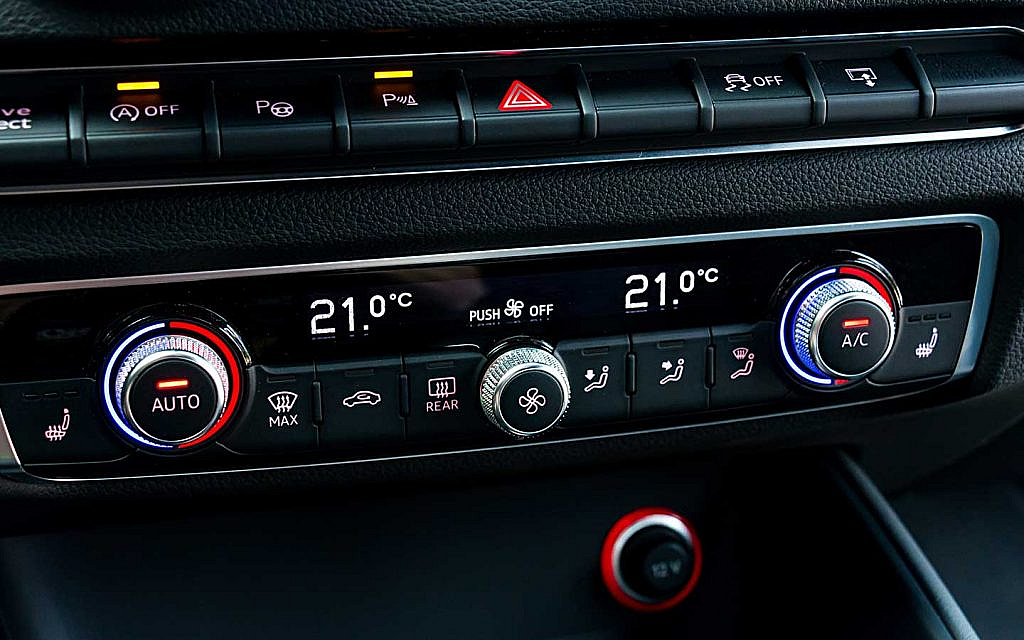
Since 2010, car air-conditioning systems have become even more sophisticated. Modern vehicles are equipped with advanced climate control systems that automatically adjust the temperature based on the outside weather and the number of passengers. These systems often include multi-zone climate control, allowing individual passengers to set their preferred temperatures. Condensers and compressors are some of the major components of car air conditioners.
Features such as air purification and humidity control have also been introduced, providing a healthier and more comfortable environment inside the car. Climate control systems are also now integrated with other vehicle functions, such as pre-entry climate control from Mercedes.
FAQs
Why was the first car air-conditioning system installed in the trunk?
The early systems were large and bulky, so they were installed in the trunk to save space in the cabin and avoid common car air conditioning problems.
What lead to the development of dual-zone climate control in the history of air conditioning in cars?
The history of car air-conditioner tells that dual-zone climate control was developed to offer personalised comfort. This helps the driver and passengers set different temperatures in the car.
What is the difference between manual and automatic climate control in cars?
Manual climate control requires the driver to adjust the temperature and fan speed, while automatic climate control maintains the set temperature automatically.
The evolution of car air-conditioning has set new standards in the automotive world. These days, car air-conditioners are getting more advanced and efficient to meet the market demand and emission standards. However, car air-conditioners are prone to faults. Therefore, you must know the car AC maintenance tips in hot weather to take good care of it. As technology progresses, we can expect even more innovations to make our driving experiences more comfortable and enjoyable.
If you also want to avoid UAE heat and enjoy your journeys in a comfy air-conditioned car, check out new cars for sale in the UAE.
For more such insights on car air conditioning, keep visiting the dubizzle autos blog.
Related Posts