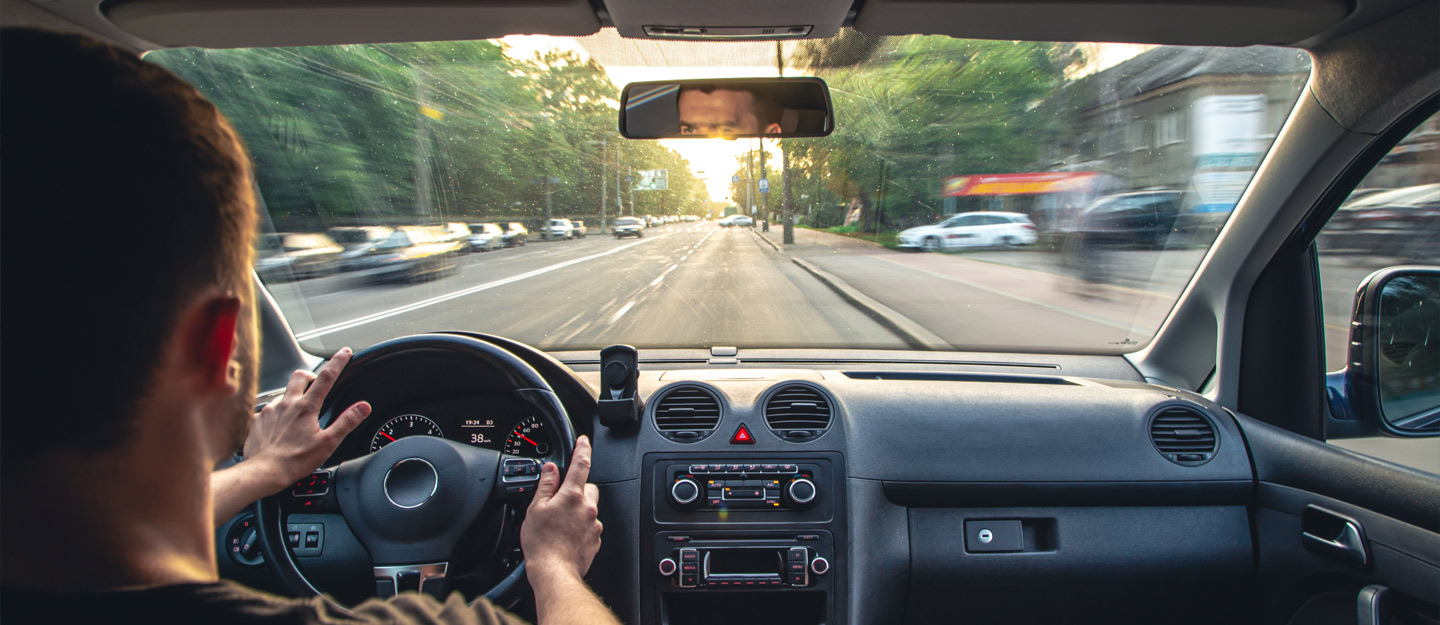
Have you ever wondered why your car seems to transform on the road? One minute it feels sluggish, the next your car is practically gliding downhill. The answer lies in the interplay between your car’s capabilities and its surroundings. Moreover, there are many factors affecting a car’s speed. including those within your control or external influences. Let’s explore each factor in detail.
Factors Influencing Car’s Speed
Here are the most common and important factors affecting a car’s speed.
Factors Under A Driver’s Control
Let’s start exploring the factors which are under the driver’s control.
Engine Power
A car’s engine is among the key factors that determine speed in cars. This is because the power generated by the engine serves as the driving force behind a car’s velocity. Furthermore, the primary metrics defining an engine’s potency are horsepower (hp) and torque (Nm).
Horsepower represents the engine’s ability to perform work over time and is a crucial indicator of its speed potential. That said, a more powerful engine with a higher horsepower rating can accelerate faster and reach higher top speeds.
On the other hand, torque signifies the engine’s rotational force, influencing the car’s ability to accelerate from a standstill and maintain speed uphill or under load. The engine’s capacity also plays a significant role in determining its power output.
Moreover, advancements in engine technology, such as turbocharging and supercharging, enhance power delivery by compressing air intake to increase fuel combustion efficiency. Additionally, variable valve timing (VVT) systems further optimise engine performance by adjusting valve opening and closing timings based on driving conditions.
Transmission Gears
The transmission system serves as the bridge between the engine and the wheels, translating power output into mechanical motion. The type of transmission, whether manual, automatic, or semi-automatic, is one of the actual factors that affect top speed, acceleration and efficiency.

Manual transmissions afford drivers greater control over gear selection and engine revs, allowing for precise acceleration and optimal power delivery. In contrast, automatic transmissions offer convenience and smooth gear shifts, adapting seamlessly to varying driving conditions.
Additionally, advanced transmission technologies such as continuously variable transmissions (CVT) and dual-clutch transmissions (DCT) optimise gear ratios and shift dynamics to maximise fuel efficiency and performance. Gear ratio selection plays a crucial role in balancing acceleration and is among the critical factors that affect a car’s overall top speed. Lower ratios favour acceleration and higher ratios facilitate higher top speeds.
Driver Input
If you are driving a manual transmission vehicle, pressing the gas pedal directly affects the car’s speed. A gentle press translates to slower acceleration while flooring the pedal gives the engine full power.
External Influences
Here is a comprehensive breakdown of the external factors affecting a car’s speed.
Road Surface

The quality of the road surface directly impacts a car’s speed capabilities. Rough or uneven roads create friction, impeding the smooth movement of the vehicle and slowing it down.
In contrast, well-maintained and smooth surfaces, such as highways, offer minimal resistance, allowing for higher speeds with less effort.
Wind Resistance
As cars accelerate, they encounter increasing wind resistance, which acts as a constant brake, opposing forward motion. Moreover, strong headwinds exacerbate this effect, imposing additional resistance and significantly reducing the car’s speed.
Inclines and Declines
Changes in road elevation, such as driving uphill or downhill, are one of the factors that affect car speed. Uphill climbs require the engine to exert more power to overcome gravity. This results in a decrease in speed unless compensated for by increased engine output.
Conversely, downhill slopes allow gravity to assist the vehicle’s motion, effectively increasing speed without additional engine effort.
Temperature and Altitude
Environmental factors like temperature and altitude influence a car’s speed performance. Hotter air is less dense, leading to a slight reduction in engine power as the combustion process receives less oxygen. This effect is more pronounced at higher temperatures and altitudes, where the air is thinner and engine performance is further compromised.
Consequently, cars may experience a slight decrease in speed when operating in hot climates or at high altitudes due to reduced air density.
Other Factors
Let’s go through some more factors affecting a car’s speed.
Vehicle Weight
The weight of a vehicle significantly influences its speed capabilities. Lighter cars typically accelerate faster and achieve higher velocities compared to heavier ones.
Sustainable automotive materials, known for their lightweight properties, contribute to weight reduction. This promotes both speed and environmental responsibility simultaneously. By leveraging these materials, car manufacturers can optimise speed performance while enhancing fuel efficiency and reducing emissions.
Aerodynamics

The aerodynamic design of a car is a key determinant of speed. Reduced air resistance allows the vehicle to accelerate with minimal drag, enabling higher speeds with lesser effort. Whereas, cars with bulky designs experience more drag.
Moreover, improving car aerodynamics can directly contribute to increasing car speed. This can be done by shedding extra weight and removing accessories. Moreover, by lowering the car and using wheel covers or skirts, the car’s aerodynamics can be further improved. This allows the car to move more efficiently through the air, requiring less energy to maintain speed.
Tyre Performance
Tyres are the only point of contact between the car and the road. Factors such as tyre tread pattern, width and tyre pressure influence traction, handling and ultimately, the car’s ability to maintain high speeds safely.
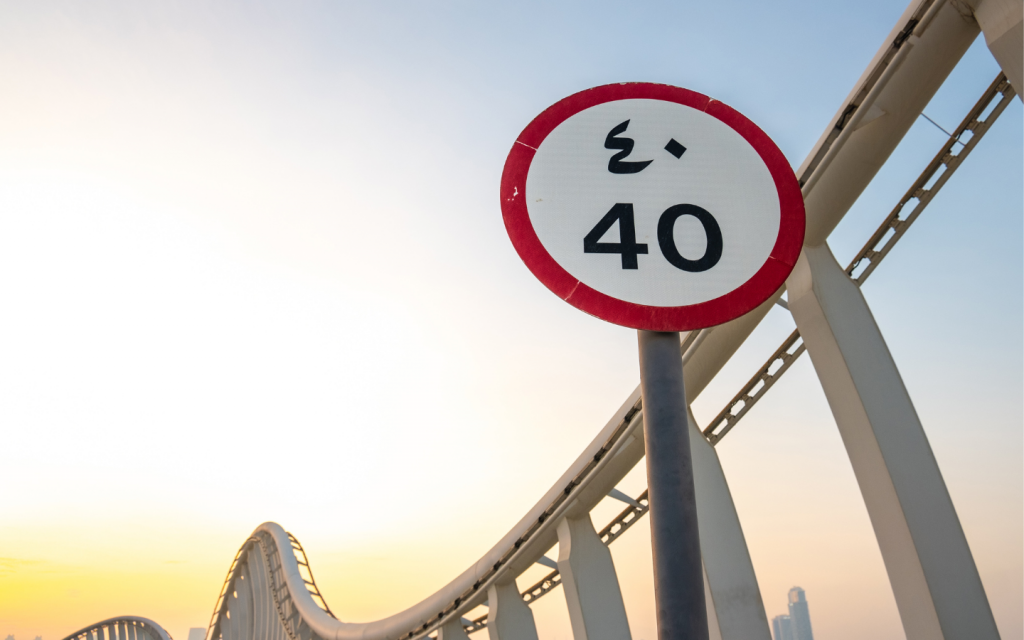
While understanding these factors can be interesting, remember to prioritise safety while driving. Moreover, make sure to abide by the posted road speed limits in the UAE and adjust your speed based on road conditions and weather.
FAQs
What role does aerodynamics play in determining car speed?
Aerodynamics refers to the study of how air flows around objects, and it plays a crucial role in determining a car’s speed. Streamlining the car’s shape and minimising drag can reduce air resistance, allowing the vehicle to move more efficiently through the air and achieve higher speeds.
Which is the fastest electric car in the world?
Tesla Model S Plaid is regarded as the fastest electric car globally, accelerating from 0 to 100 km/h in just 2.1 seconds. Other cars include the Tesla Model 3, Kia EV6 and GMC Hummer EV, among others.
Can a faulty speedometer affect a car’s speed?
Yes, a faulty speedometer can affect a car’s speed. While the speedometer itself doesn’t directly control the car’s speed, it provides vital information to the driver regarding the vehicle’s velocity. In case the speedometer malfunctions, it will inaccurately display the car’s speed, which may result in exceeding the speed limits or driving too slowly, potentially leading to unsafe driving conditions.
Besides, if you haven’t settled down on your future car yet, sift through these used cars for sale in the UAE and find your ideal ride.
For more information regarding cars and their accessories, stay tuned to the dubizzle auto blog.
Related Posts