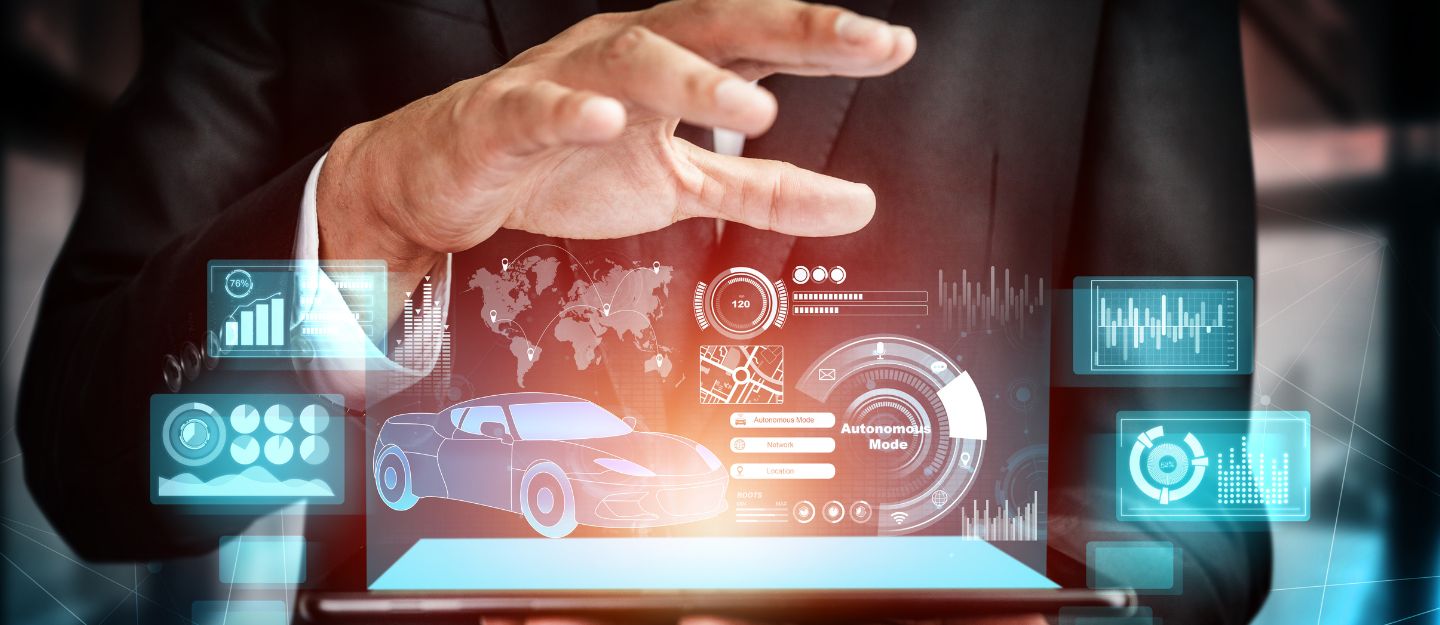
Electric vehicles are no longer just mechanical machines—they are connected digital systems. Modern EVs rely heavily on software, cloud connectivity and data exchange to improve performance, convenience and user experience.
When EV manufacturers use remote features, they are not remotely controlling vehicles. Instead, they are using connected systems to monitor, update and improve vehicle software and services over time. Simply put, manufacturers are adapting to a highly connected ecosystem where software plays a central role in vehicle performance and user satisfaction.
What Are Remote Features in Electric Vehicles?
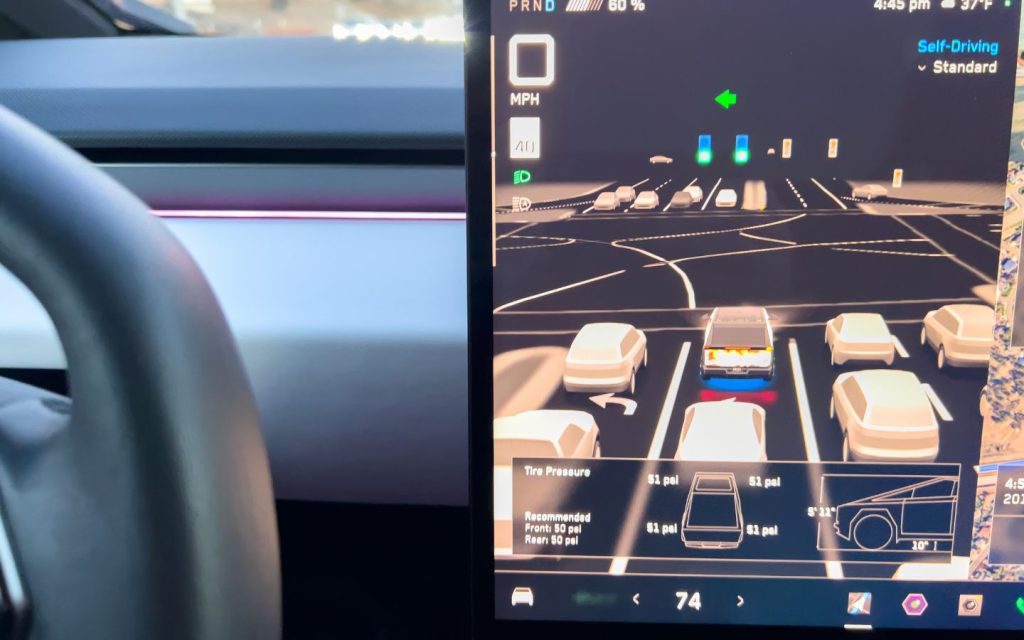
Remote features refer to functions that allow vehicle owners and manufacturers to interact with a car connected ecosystem built on a three- way connection:
- An embedded connectivity module (eSIM) keeps the vehicle online
- Cloud servers act as a bridge that transfers and processes data
- A mobile app acts as a remote interface, allowing users to send commands to the vehicle
These components create a continuous digital link between the vehicle, the manufacturer and the owner. For car owners, this means being able to monitor the vehicle, access key information and control certain functions through a smartphone while manufacturers can send vital software improvements.
Common Remote Features in EVs
Most modern EVs offer app-based remote functionality, including:
- Battery status monitoring
- Charging start/stop and scheduling
- Cabin pre-conditioning (cooling/heating)
- Vehicle locking and unlocking
- Location tracking
- Charging station navigation support
These features are designed to improve convenience and energy management in everyday driving. They help drivers plan charging more efficiently, maintain cabin comfort in advance and keep track of their vehicle remotely.
On the manufacturers side, brands like Tesla, BMW, Hyundai and others integrate these features into their connected vehicle ecosystems.

What Are Over-the-Air (OTA) Software Updates?
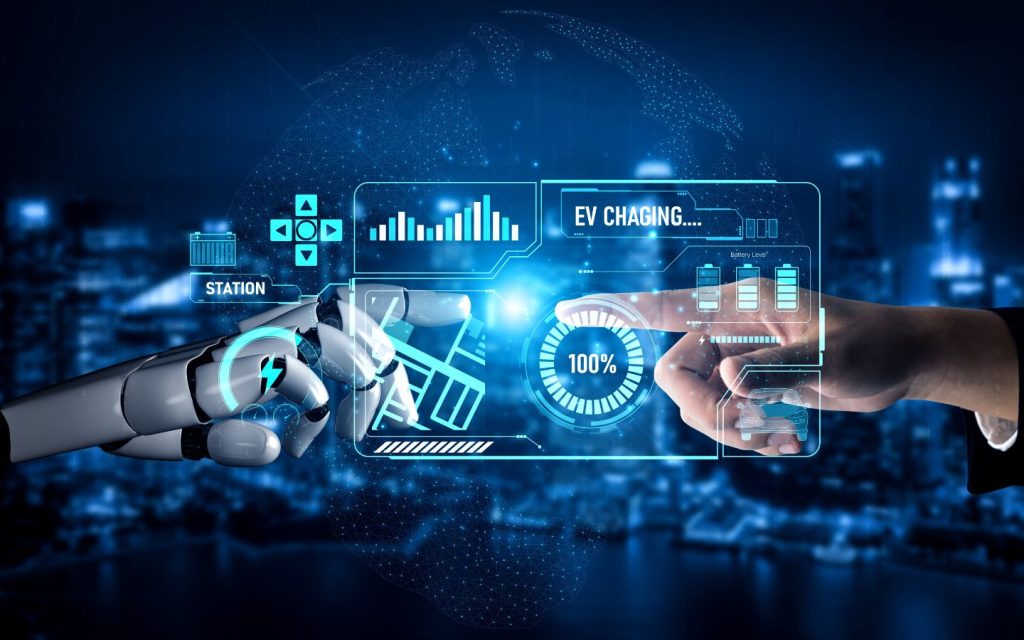
One of the most important aspects of EV connectivity is over-the-air (OTA) software updates. They allow manufacturers to update vehicle software remotely without requiring a workshop visit.
These updates can:
- Improve infotainment systems
- Fix software bugs
- Enhance energy efficiency algorithms
- Refine the driving behaviour of software-based systems
- Add or modify digital features
OTA updates affect software systems but can also influence how key vehicle functions operate. In modern EVs, functions such as braking, power delivery, stability control and driver assistance are software-controlled, meaning their behaviour can be adjusted through updates. However, OTA updates do not physically alter mechanical components.
Important Clarification: What Remote Features Do NOT Mean
A common misconception is that EV manufacturers can remotely take control of the vehicle. This is not correct. Remote features:
- Do NOT allow manufacturers to control steering, braking or acceleration
- Do NOT replace driver control
Instead, they are limited to:
- Software updates
- Data analysis
- Feature configuration
- User-accessible controls via apps
EVs and Driver Assistance Systems (ADAS)
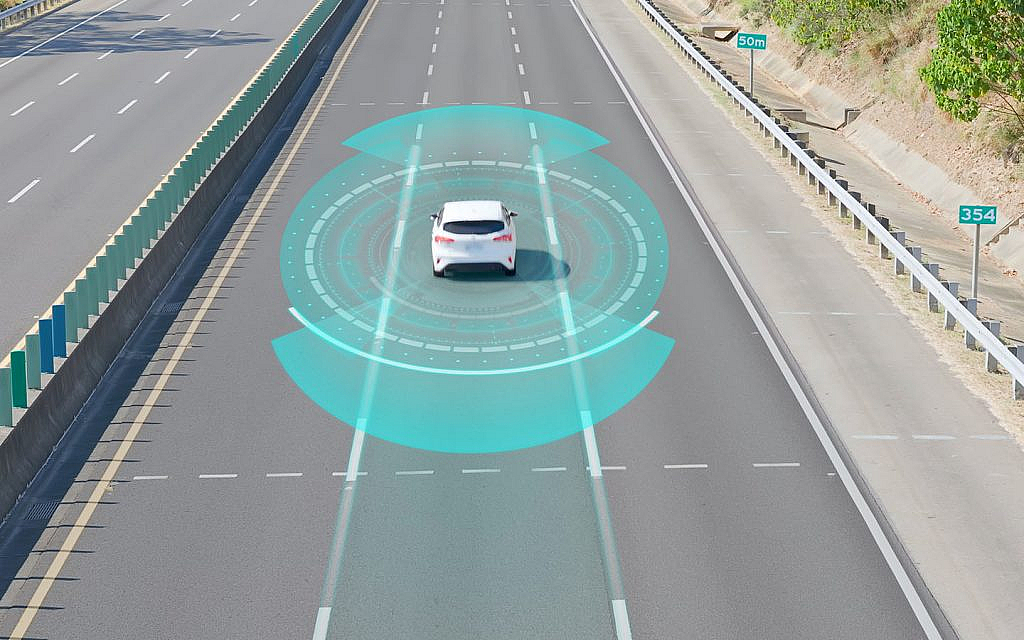
Modern EVs include Advanced Driver Assistance Systems (ADAS) which support safer driving.
Remote improvements from manufacturers include:
- Refining adaptive cruise control behaviour
- Improving lane-keeping assist performance
- Improving parking assistance performance
- Updating collision warning systems
- Optimising automatic emergency braking
How ADAS is improved remotely
Manufacturers can improve ADAS performance through OTA updates by:
- Refining detection algorithms
- Improving object recognition accuracy
- Enhancing system response timing
- Fixing software issues
ADAS operates in real time within the vehicle using onboard sensors and computing systems. It is not remotely controlled by manufacturers. OTA updates improve software logic and system performance. For example, a vehicle may receive an update that improves lane detection accuracy, but the system still executes locally using onboard sensors.
Future of Remote EV Technology
The future of EVs will continue to rely heavily on connected systems and software intelligence.
Expected developments include:
- More advanced predictive maintenance systems
- Smarter energy optimisation algorithms
- Enhanced integration with smart infrastructure
- Improved AI-based driving assistance systems
- More frequent but controlled OTA feature updates
FAQs
What are remote features in electric vehicles?
They are cloud-connected functions that allow monitoring and updating of vehicle systems through apps and digital platforms.
How do EV manufacturers use remote features?
They use cloud-based systems to update software, monitor performance and enhance driving systems. These functions are used to improve and optimise vehicles indirectly, not to control them in real time.
Can EV manufacturers control cars remotely?
No. Manufacturers cannot control driving functions like steering or braking in real time.
What is OTA in EVs?
Over-the-air updates allow manufacturers to remotely update vehicle software.
What is EV remote driving experience enhancement?
It refers to improving driving performance and features through continuous remote software updates and connected systems.
Do remote features improve driving assistance systems?
Yes, EV manufacturers and remote driving assistance features are regularly improved through software updates and data analysis.
When EV manufacturers use remote features, they are not controlling vehicles from a distance. Instead, they are building connected systems that allow cars to continuously improve through software updates, diagnostics and data-driven enhancements.
Those looking for such cars can explore these electric vehicles for sale in the UAE. For those in search of regular cars, this list of used cars for sale in the UAE offers multiple options.
Stay tuned to dubizzle’s cars blog for more on automotive technology.
Related Posts