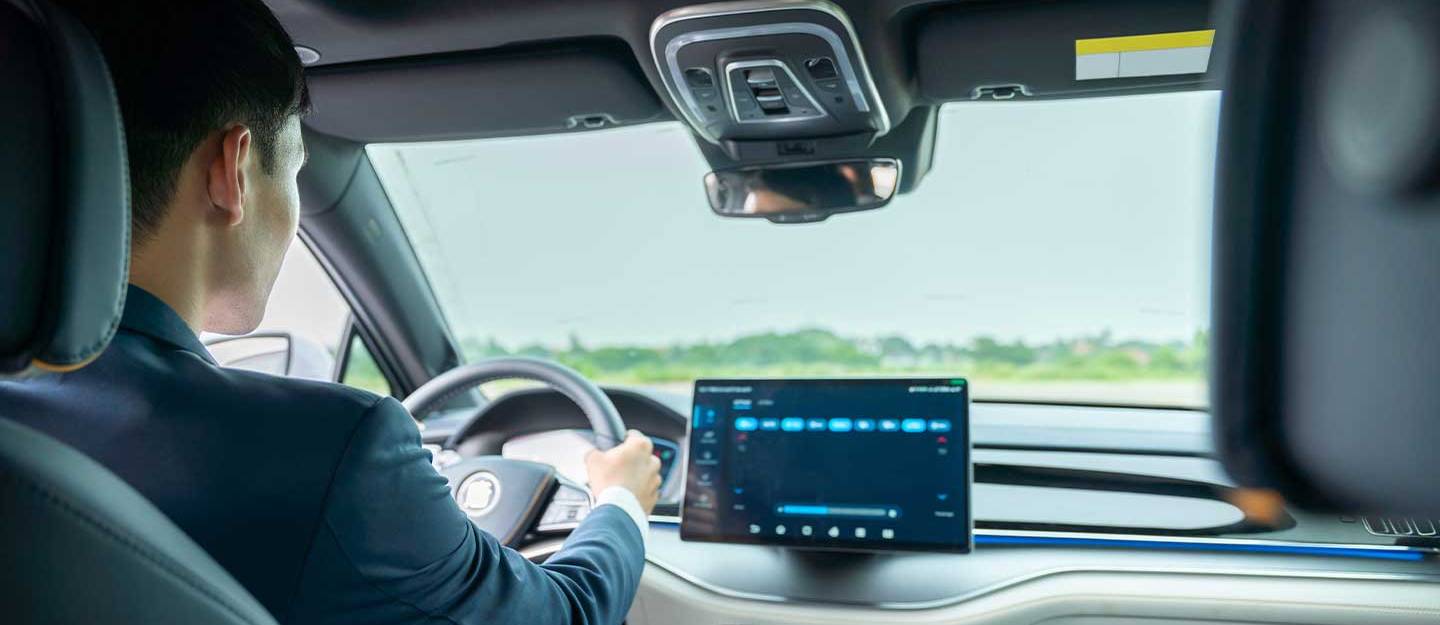
Owning and driving an electric vehicle (EV) is a bit of a different and unique experience compared to traditional internal combustion engine (ICE) cars. From starting a vehicle to charging it and planning a long-route trip, here are some common FAQs about driving an electric car.
FAQs About Driving an Electric Car: Experience and Common Concerns
The scope of electric cars in the UAE is promising. The Emirates has taken many key initiatives for nationwide electrification of the auto sector at a steady pace. More and more motorists have recently been encouraged to switch to an EV. Given the shifting market dynamics, new entrants, as well as established automakers, have introduced electric car line-ups.
When it comes to driving, electric cars offer a little bit of a different experience than regular cars. With battery-powered motors, they accelerate faster and can be more responsive than regular cars in some cases. Here are some frequently asked questions about driving an electric car.
How Do I Start and Drive an Electric Car?
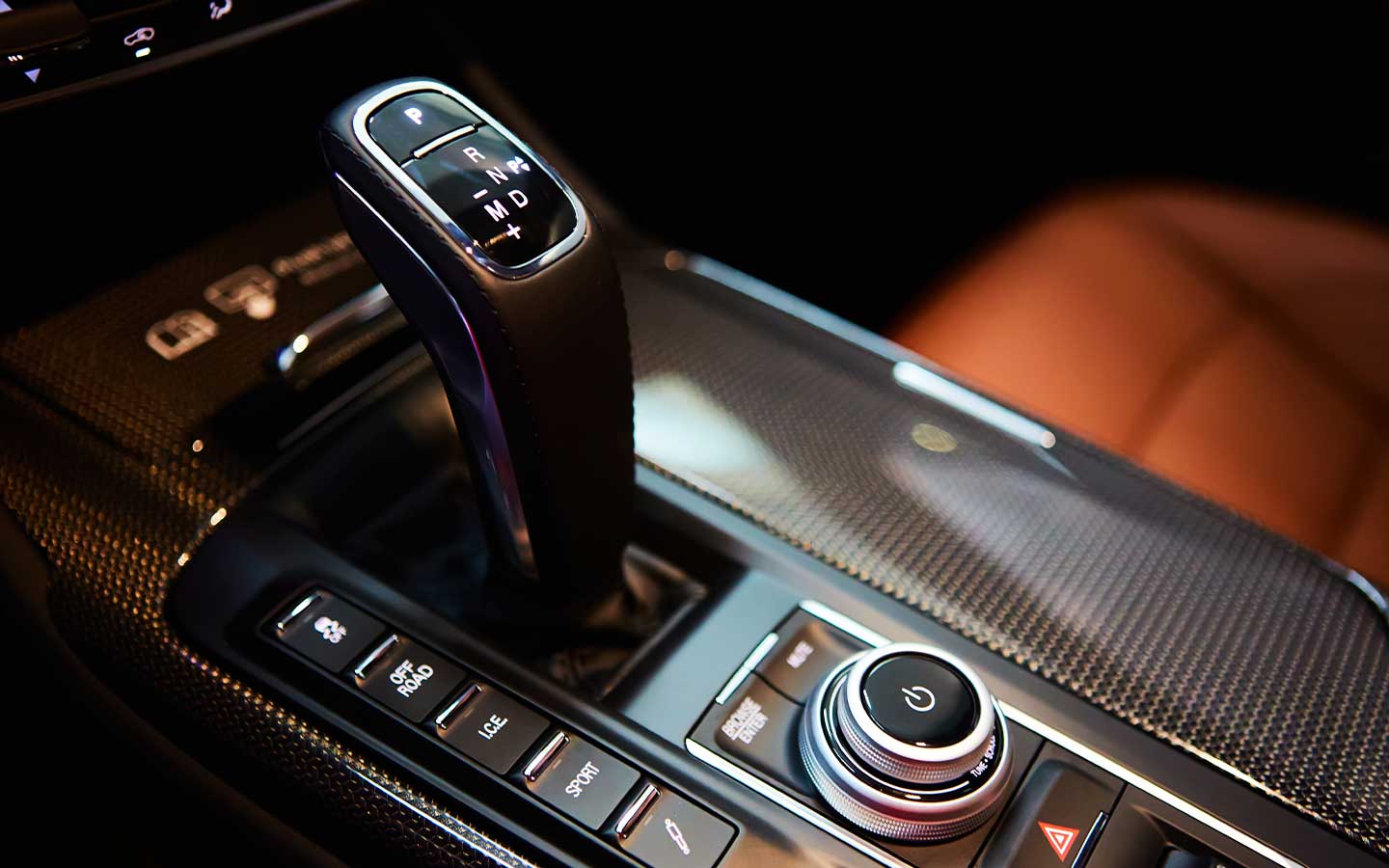
Starting an EV typically involves pressing a power button, as there’s no ignition key. Most EVs function similarly to automatic cars. They have the same drive modes, such as select ‘D’ for drive, ‘N’ for neutral, ‘R’ for reverse and ‘P’ for park. Similarly, EVs lack a clutch pedal and only have accelerator and brake pedals.

What Is Regenerative Braking?
Regenerative braking is a system in hybrid cars and EVs that recovers kinetic energy during deceleration. It converts the kinetic energy into electricity to recharge the battery. When you lift your foot off the accelerator, the car starts generating energy from moving tyres. This process helps extend the vehicle’s range.
How Does Acceleration Differ in an EV?
Electric motors provide instant torque, which results in rapid acceleration. This means EVs can often accelerate faster from a standstill compared to traditional cars. It is among the common reasons why EVs are so fast. However, frequent rapid acceleration can deplete the battery more quickly, which is why it’s advisable to accelerate smoothly to conserve energy.
Are There Any Specific EV Dashboard Symbols?
Yes, there are specific EV dashboard symbols. The common indicators include Low Battery, Charger Plugged In, Limited Power, Battery Temperature Warning, Eco Mode and Auto Glide Control, among other symbols. A driver must be aware of all these instructional and warning signs for a convenient and safe experience. This is why most of the queries about driving an electric car are often about dashboard symbols.
How Does Weather Affect EV Performance?
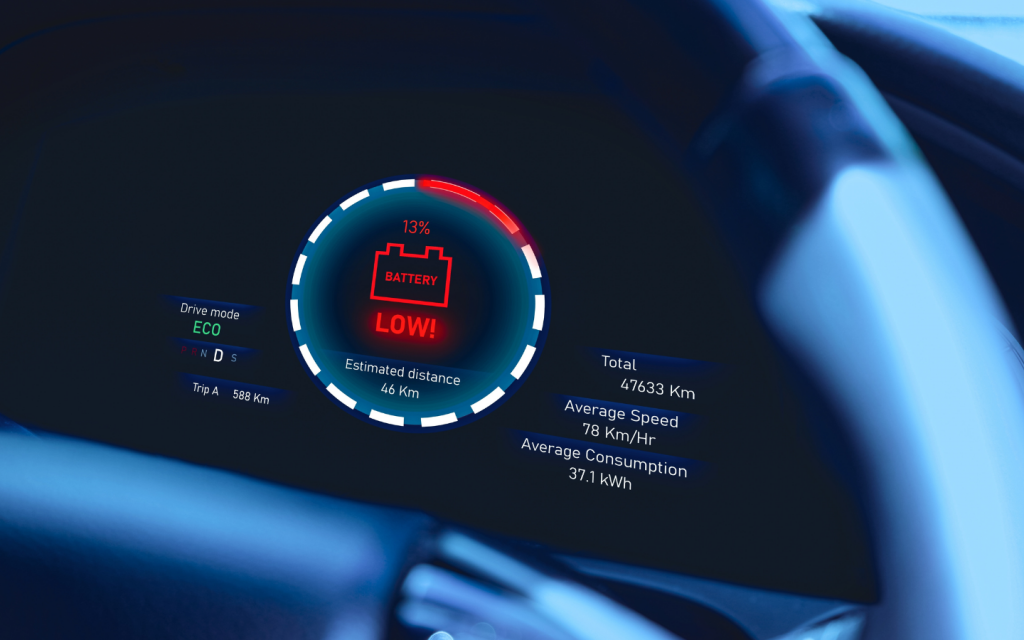
It is among the important FAQs about driving an EV. Extreme temperatures can impact battery efficiency and range. Cold weather may naturally reduce battery performance, decreasing range and increasing charging time. On the other hand, very hot conditions can also affect battery life. The use of air conditioning systems can also impact the electric car range. However, preconditioning your EV, such as warming or cooling the cabin while the car is still charging, can help mitigate these effects. A driver must know how the hot and cold weather affects EVs and act accordingly to ensure optimal performance.
Can I Charge the EV at home?
Yes, you can charge an electric car at home with the different types of chargers available. Similarly, there are also public charging stations available. Home charging is convenient for daily use, while public chargers are useful for longer trips since those are often more powerful and fast.
Are Electric Cars Suitable for Long-Distance Travel?
Modern electric cars with long ranges are increasingly suitable for road trips to far-off locations. However, it’s essential to plan your route to include charging stations and be mindful of factors like driving speed, terrain and weather conditions. Keep all these things in mind, among other tips for an EV road trip to ensure a pleasurable experience. Focus on every bit of information outlined in the answer to these questions related to driving an EV to make calculated moves.
Can You Drive an EV in the Rain?
Yes, it is safe to drive an EV in the rain due to a host of factors. Modern EVs are equipped with advanced weather-resistant technology, as well as waterproofing materials.
Can You Drive an EV in a Flood?
Check for the weather forecast if the weather is rainy or cloudy. Don’t head out if there is a flood warning in your area. However, if the situation is unavoidable, try not to take your car through the surface where the water is more than six inches deep. Also, you must observe all EV flood protection tips to ensure safety.
All of these are important FAQs about driving an electric car. Aspiring EV owners must weigh every aspect before making a move. They must weigh the pros and cons of electric cars before switching from a regular car to an EV. For better long-term performance, they can also refer to our detailed electric car maintenance tips.
There is a range of upcoming electric vehicle models in 2025 to look forward to. From Chevrolet to Audi and Lotus, almost every other brand now offers EVs. Whether someone prefers buying a new car in the UAE or going for a used one, the options are endless, including regular, hybrid and electric cars.
Stay connected to UAE’s favourite auto blog and get answers to all your queries related to driving an electric car.
Related Posts