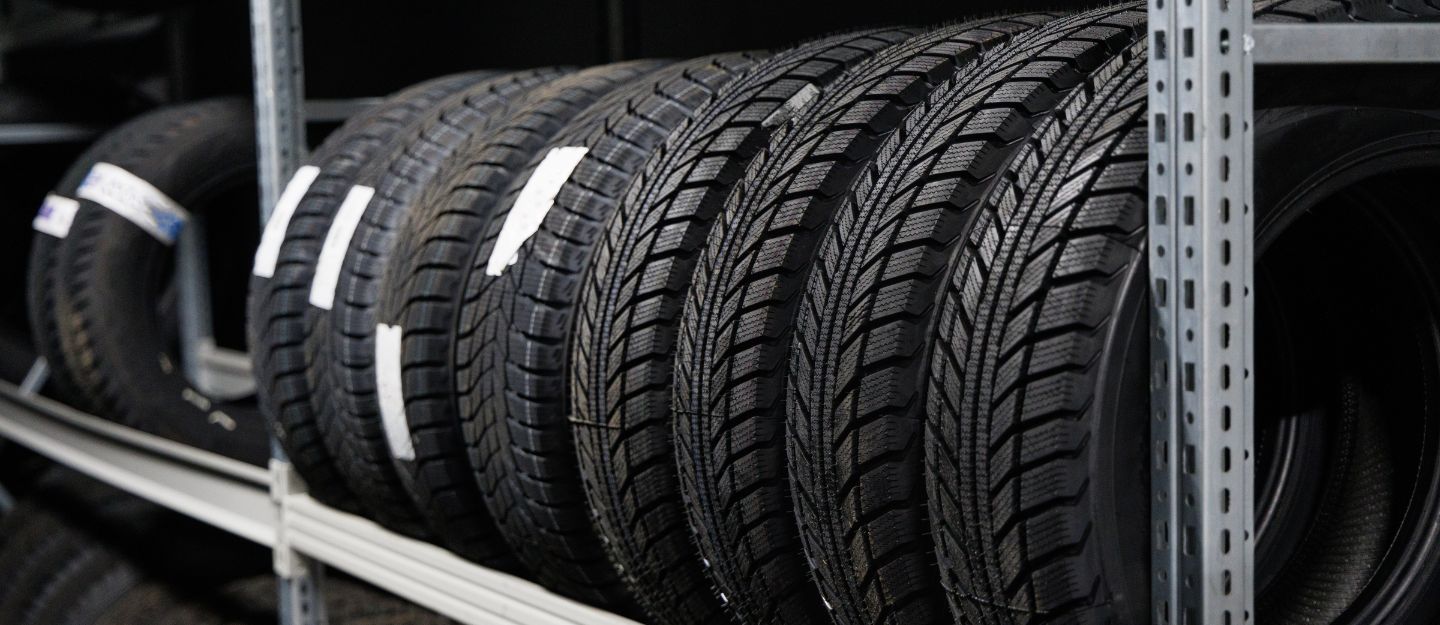
Tyre pressure plays a vital role in keeping your vehicle safe, efficient and performing at its best. Maintaining the correct tyre pressure is critical as it not only ensures better handling and stability but also improves fuel efficiency, reduces the risk of blowouts and extends the overall life of your tyres. There are many common misconceptions about tyre pressure that can mislead drivers into unsafe practices. By clearing up these myths, you can make smarter maintenance choices and keep your vehicle running smoothly and safely.
Tyre Pressure Myths Debunked
Tyre pressure might not seem like a big deal, but it directly affects how your car handles corners and braking, how quickly your tyres wear out and even how much fuel your vehicle consumes. Driving with the wrong pressure can mean longer braking distances, poor grip on the road and higher chances of accidents.
Despite its importance, many drivers still believe in common tyre pressure misconceptions, which can lead to unsafe habits and unnecessary costs. Understanding the truth behind these myths helps drivers make smarter decisions and keep their vehicles in top condition.
Myth 1: Inflate Tyres to the Maximum Pressure on the Sidewall
A widespread belief is that the number printed on the sidewall represents the correct tyre pressure. In fact, that number indicates the maximum safe limit, not the recommended operating pressure. Inflating tyres to this level can result in a stiff ride, uneven wear and reduced grip. The proper pressure for your car is specified in the owner’s manual or on the label inside the driver’s door frame.

Myth 2: TPMS Makes Manual Checks Unnecessary
Relying solely on a Tyre Pressure Monitoring System (TPMS) is another misconception. These systems only trigger an alert when tyre pressure drops around 25% below the recommended level, by which point the tyres may already be dangerously underinflated. To maintain safety, fuel efficiency and tyre health, drivers should still check pressure manually regularly.
Myth 3: Lower Tyre Pressure Improves Ride Comfort
Some drivers believe letting out a little air makes the ride smoother. In reality, underinflated tyres are more prone to sidewall damage, punctures and accelerated tread wear. They also reduce handling performance and fuel efficiency. Proper inflation ensures both comfort and control.
Myth 4: Replacing Just One Tyre Won’t Cause Problems
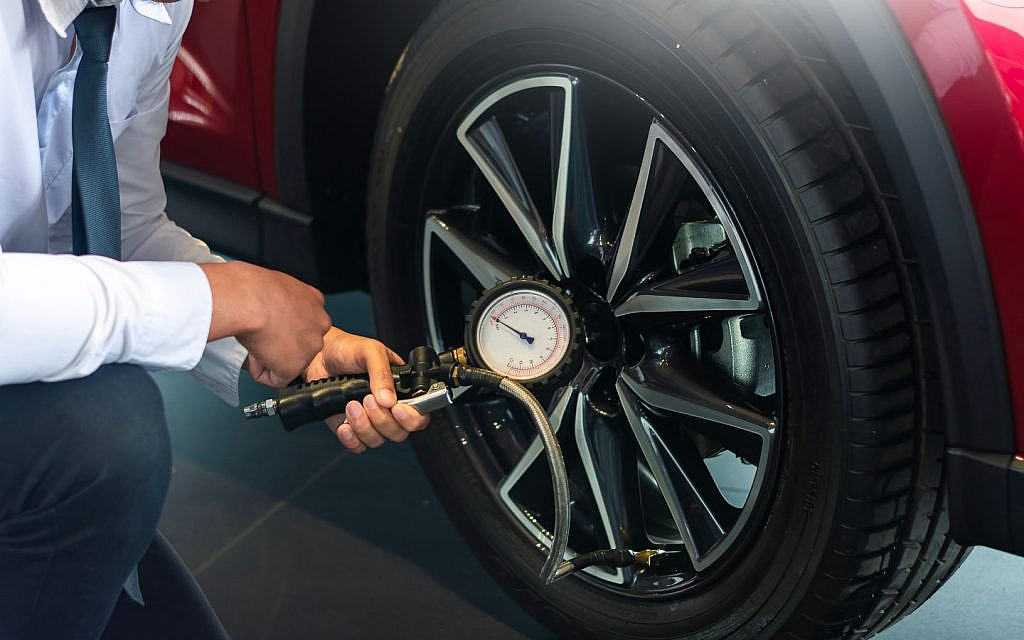
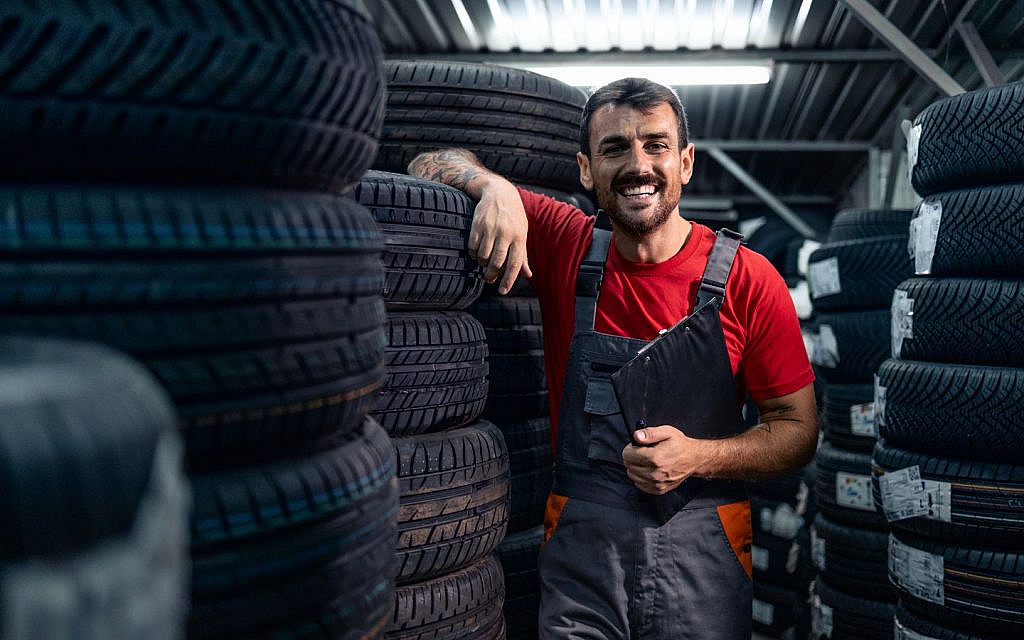
Swapping out only one tyre when the rest are worn can upset vehicle balance, leading to uneven traction and handling issues. Ideally, tyres should be replaced in sets of two or four. If a single replacement is unavoidable, it must closely match the others in size, tread and wear level to maintain stability. If you’re planning to replace worn-out tyres, check out this guide to buying tyres in Dubai to make the best choice for your vehicle.
Myth 5: All-Season Tyres Are Perfect for All Conditions
While all-season tyres offer flexibility, they’re not designed for extreme winter conditions. Snow, ice and freezing temperatures require winter-specific tyres with specialised tread and rubber compounds for optimal safety. Switching tyres based on the season ensures better grip and control.
FAQs
Can exceeding the maximum tyre pressure cause a burst?
Exceeding the maximum tyre pressure increases internal stress and heat, significantly raising the risk of tyre bursts or blowouts.
Does underinflation improve grip and handling?
Underinflation is not better for grip or handling. It causes excessive tyre flex, higher heat buildup, increased wear and reduced vehicle control, making it unsafe.
Can tyre pressure sensors tell when tyres need replacement?
No, tyre pressure sensors do not directly tell you when a tyre needs replacement.
Misunderstandings about tyre pressure may seem harmless, but following them can compromise your safety, reduce fuel efficiency and shorten tyre life. The best approach is to always rely on your vehicle manufacturer’s recommendations, check your tyre pressure regularly and use the right tyres for the season. Staying informed helps you drive more safely, save money and extend the life of your tyres.
Furthermore, if you are looking to buy a new ride, explore these used cars for sale in the UAE, offering a wide array of choices. For brand new vehicles, go through these new cars for sale in the UAE.
Keep reading dubizzle’s auto blog to discover more tips and insights about tyre care, maintenance and safe driving practices.
Related Posts