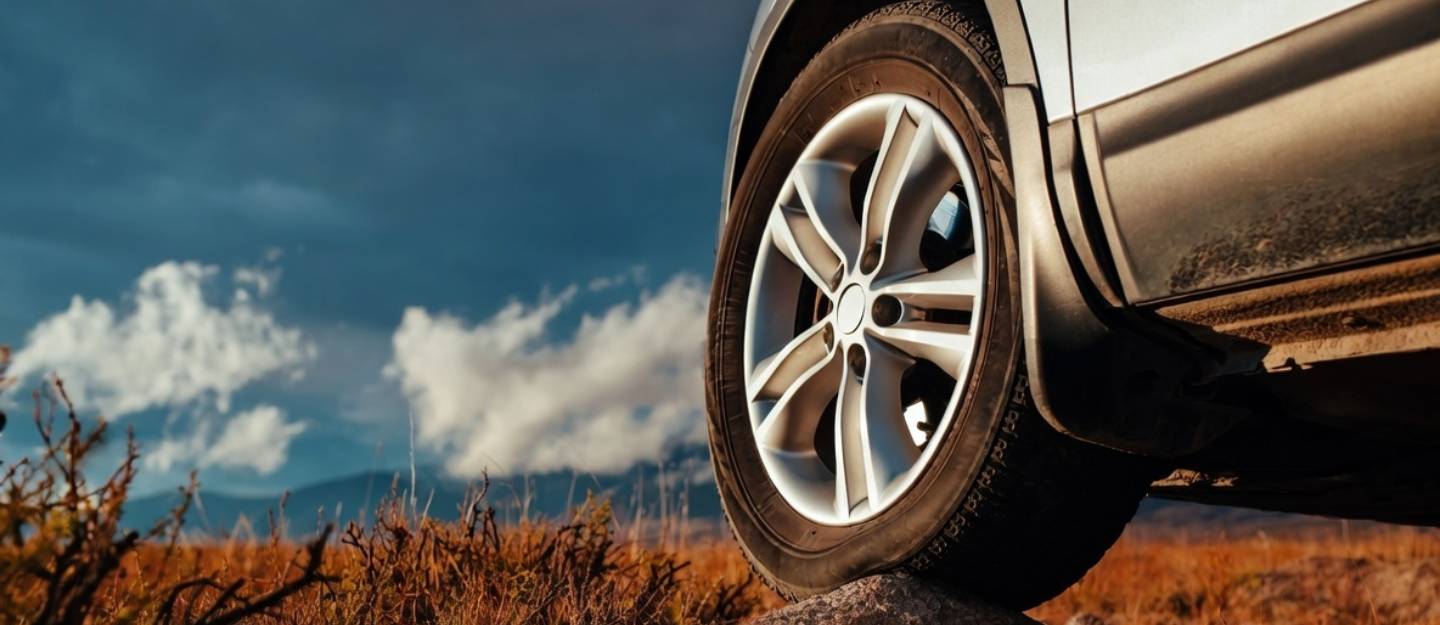
Choosing the right wheels for off-roading is essential for preparing a vehicle for different types of terrains. In the Emirates, off-road enthusiasts primarily deal with deep, soft sand, extreme heat and occasional rocky wadis. These conditions require a specialised approach when selecting wheels and tyres for off-road vehicles. Using the right wheels for off-road vehicles can significantly improve performance, stability and safety while navigating challenging terrain.
Consider Beadlock Wheels for Sand Driving
If you frequently drive on dunes, beadlock wheels can be a useful upgrade. Off-roaders in the UAE often reduce tyre pressure to between 8 and 15 PSI to increase the tyre footprint on soft sand. This technique, known as airing down, helps vehicles float over dunes instead of digging into them.
At such low pressures, sharp turns or steep dune climbs can cause the tyre to detach from the rim. Beadlock wheels, however, solve this problem by using a clamping ring that locks the tyre bead to the wheel. This prevents the off-roading tyres from separating from the rim even at extremely low pressures. For drivers who regularly tackle challenging dunes such as those in Liwa or Al Qudra, beadlock wheels can greatly improve reliability and safety.
Steel vs Aluminium Wheels Off-Road
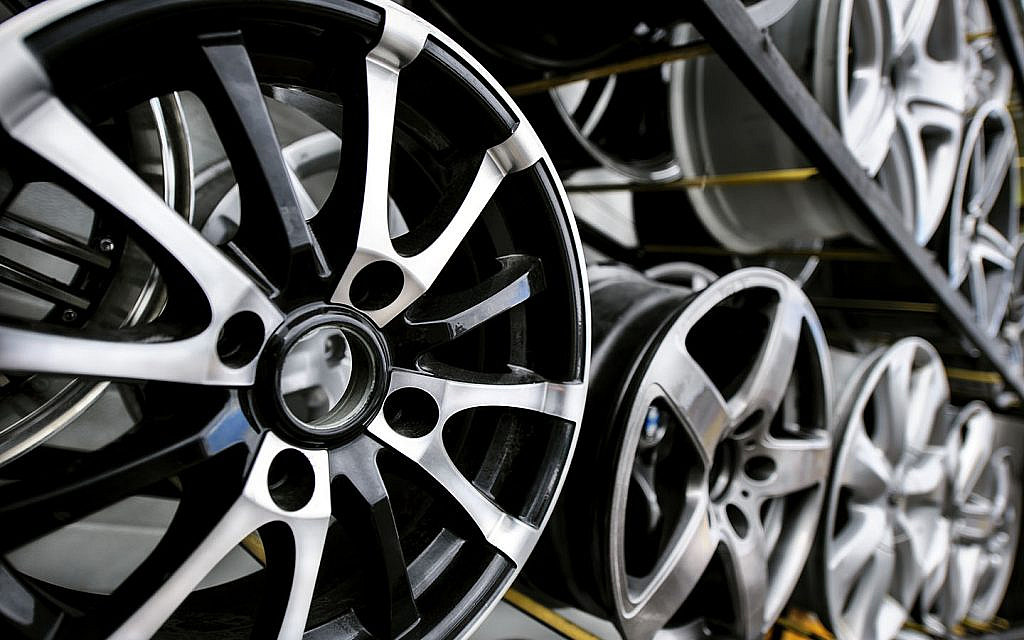
When selecting wheels for off-road vehicles, the material plays a crucial role.
Aluminium Alloy Wheels
Forged or flow-formed aluminium wheels are often considered the suitable option for off-roading in the UAE. They offer several advantages:
- Lightweight construction reduces unsprung weight, helping vehicles float more easily over sand.
- Better heat dissipation, which is important in extreme desert temperatures.
- High strength, especially with forged aluminium designs capable of handling heavy SUVs and powerful engines.
These characteristics make aluminium alloys highly suitable for the UAE’s off-road conditions.

Steel Wheels
Steel wheels are considered a must-have off-road vehicle feature in rugged off-road environments because they are extremely durable. If dented during rocky trail driving, they can often be hammered back into shape. However, their heavier weight can make vehicles sink more easily in sand.
Wheel Size and Diameter for Off-Road Driving
Many modern vehicles come with large wheels, but bigger is not always better, especially when it comes to off-roading. Here are some factors to consider when selecting wheel size and diameter for off-road vehicles.
Smaller Wheel Diameter
The recommended wheel size and diameter for off-road driving typically range between 16 and 17 inches. A smaller rim allows the use of tyres with taller sidewalls, which offers several advantages:
- Better shock absorption over uneven terrain
- Improved tyre flexibility when aired down
- Larger contact patch for better flotation on sand
This setup helps create the wide footprint needed to move smoothly across different types of off-road terrains, including sandy dunes and wadis.
Ideal Wheel Width for Sand
Wider wheels, usually between 8 and 10 inches, allow wider tyres to be fitted. Wider tyres installed in different types of off-road vehicles increase the contact area with the sand, which improves traction and reduces the chances of getting stuck.
Understanding Wheel Offset and Stance
Wheel offset determines how far the wheel sits inward or outward relative to the vehicle. A wider stance offers several benefits:
- Improved stability on slanted dunes
- Better rollover resistance
- Enhanced overall off-road handling
However, drivers should ensure that the wider wheel setup does not cause tyres to extend beyond the fenders.
Finish and Durability
Desert environments can be harsh on vehicle components, which makes durability a highly important thing to consider when choosing off-road wheels. Look for car wheels with:
- Multi-stage powder coating
- Ceramic or corrosion-resistant finishes
These coatings protect against sand abrasion, salt exposure and oxidation, especially in coastal regions.
Legal Compliance
Off-road vehicle modifications must, by all means, comply with local regulations. All-terrain wheels or tyres that extend beyond the vehicle’s fenders may require proper fender flares to remain road-legal.
Before finalising your off-road vehicle wheel selection, make sure the setup complies with local transport regulations.
FAQs
What should I consider when choosing off-road wheels?
Consider wheel size, material, offset, durability and compatibility with larger off-road tyres and terrain conditions.
What types of wheels are best for 4×4 trucks and SUVs?
Strong aluminium alloy wheels or heavy-duty steel wheels designed for off-road use are typically best for 4×4 trucks and SUVs.
Does wheel material affect off-road performance?
Yes, lighter aluminium wheels improve heat dissipation and handling, while steel wheels offer greater toughness but add weight.
Understanding how to choose wheels for off-road vehicles is essential for anyone planning desert adventures in the UAE. The right combination of wheel material, diameter, width and offset can greatly improve traction, stability and durability.
One can also pick from a range of vehicles suitable for off-roading. There are many used and new cars for sale in the UAE, offering an eclectic selection of options for buyers.
For more driving and maintenance tips, stay connected to the UAE’s leading auto blog.
Related Posts