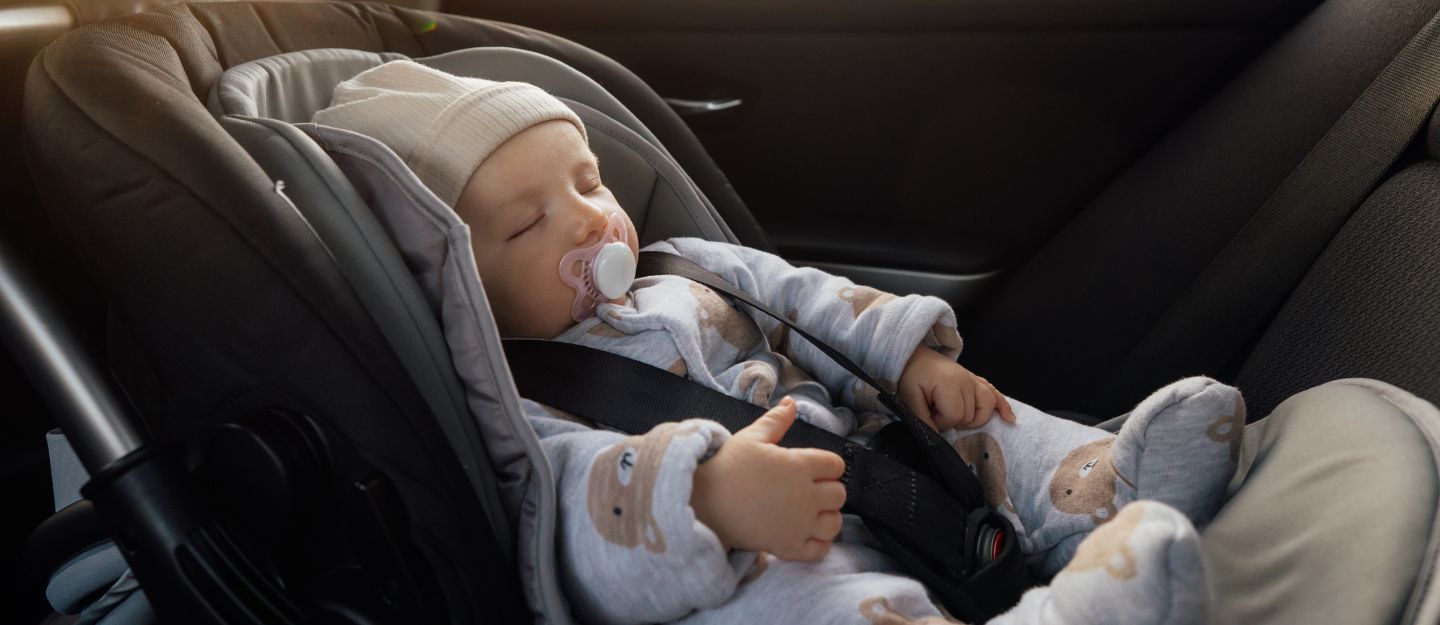
Ensuring a child’s safety requires attention to every aspect of travel, including risks that may not always be immediately visible. Among these is child car heatstroke, a serious condition that can occur when a child remains inside a parked vehicle. Car temperatures can rise dangerously within minutes, even if the windows are slightly open.
Child car heatstroke is preventable. Understanding how quickly heat builds up inside vehicles and recognising children’s increased sensitivity to high temperatures are essential steps. Simple, consistent safety measures can significantly reduce the risk.
Warning Signs of Heatstroke in Children
Being aware of the warning signs allows for immediate action. Symptoms may include:

- Hot, red or dry skin
- Rapid pulse
- Dizziness or confusion
- Headache
- Vomiting or nausea
- Difficulty breathing
- Extreme fatigue or unconsciousness
- Seizures (in severe cases)
Child Car Heatstroke Prevention Tips
Consistent safety habits and simple precautions can help prevent child heatstroke in a car. Key strategies include:
Build Habit-Based Safety Checks
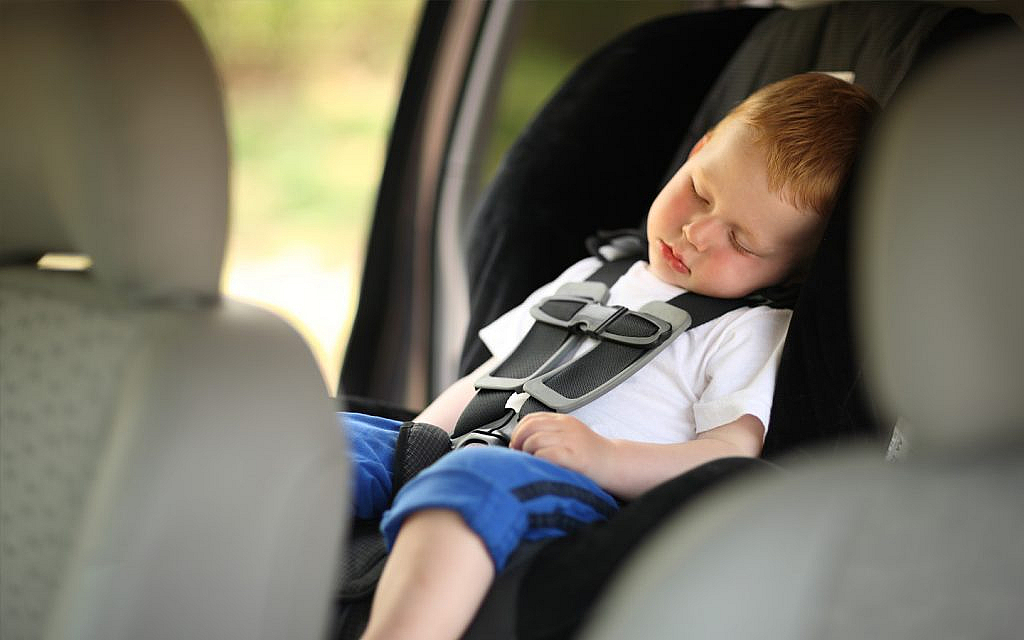
Developing routine checks can significantly reduce the risk of child heatstroke in a hot car. Parents should also consider the risks of sleeping in the car, as even brief naps in a stationary vehicle can expose children to dangerously high temperatures.
- Always check the back seat before locking the car.
- Place essential items, like a phone or handbag, in the back seat as a reminder.
- Use reminder apps or in-vehicle alarm systems.
- Follow the safety guideline: ‘Look before you lock
- UAE Fines for Leaving a Child Unattended in a Car
Prevent Children From Entering Parked Vehicles
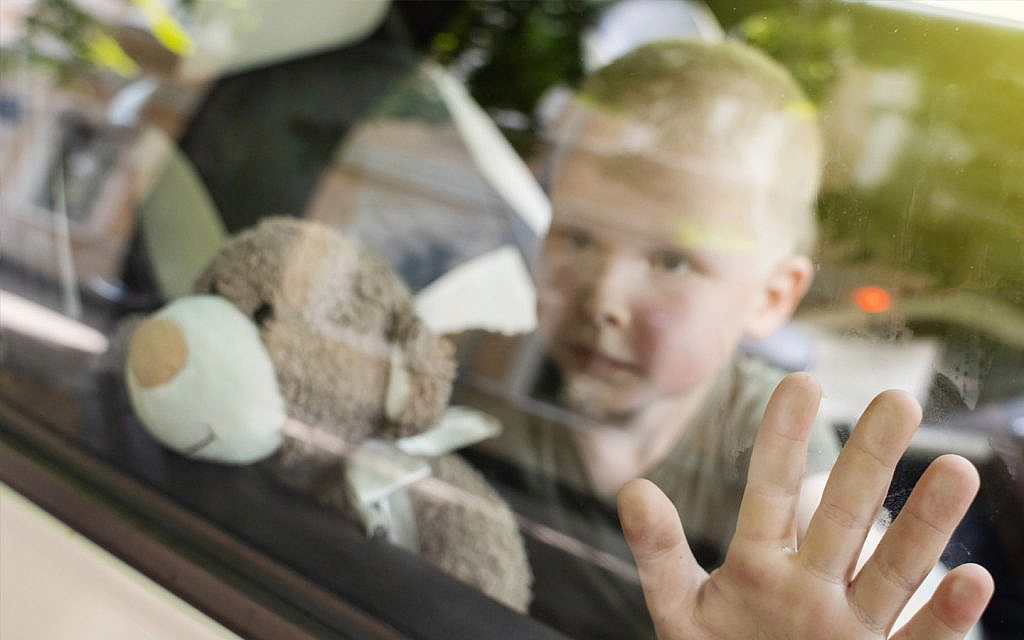
Taking steps to limit children’s access to vehicles helps maintain overall child car safety and prevent accidental heat exposure.
- Keep vehicles locked at all times.
- Store keys out of children’s reach.
- Teach children that cars are not play areas.
What To Do If You See a Child Alone in a Car
Immediate action is critical, as even a short period alone can be life-threatening. Understanding the dangers of leaving a child alone in a car can help you respond quickly:
- Check if the child is responsive
- Call emergency services immediately
- If the child appears distressed, carefully remove them from the vehicle, ensuring they remain safely secured in a child car seat if possible.
- Begin cooling using shade, airflow or cool water until help arrives.
FAQs
Why are children more vulnerable to heat stroke in cars?
Children’s bodies heat up faster and they cannot regulate temperature as efficiently as adults.
What are the symptoms of heat stroke in a child left in a car?
Symptoms include hot or dry skin, rapid pulse, dizziness, headache, nausea, difficulty breathing and unconsciousness.
Child car heatstroke is a silent but preventable danger. Vehicles heat faster than most people realise and children’s bodies are far less capable of coping with extreme temperatures. Prevention relies on consistent habits and awareness. These precautions are especially important when considering a used car for sale in the UAE, where temperatures can soar during the summer.
Keep reading the dubizzle auto blog for more tips on child safety and vehicle precautions.
Related Posts