- Tyres and Wheel Arches
- Brakes and Brake Pads
- Underbody and Exhaust System
- Lights and Electrical Components
- Interior and Carpets
- Paintwork
- FAQs
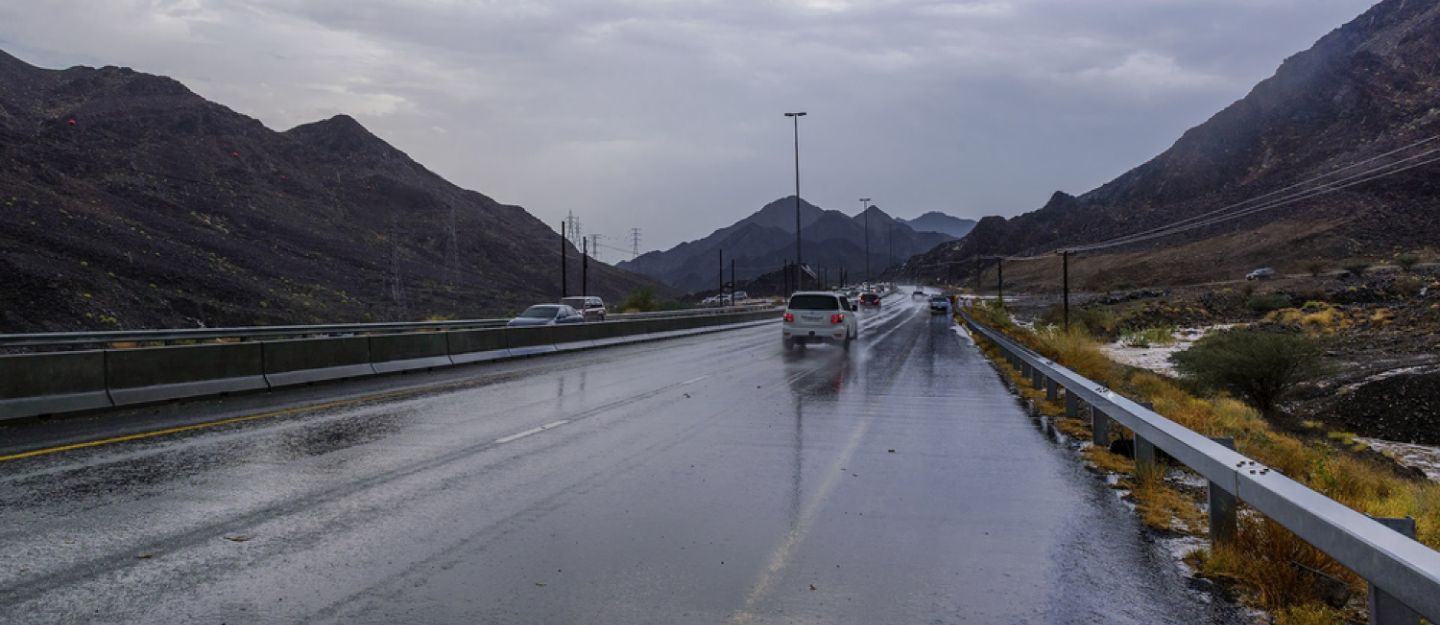
Driving in the rain can be an enjoyable experience, especially when paired with the scenic routes of the UAE. However, rainy conditions often strain your vehicle, leaving dirt, moisture and hidden damage that may not be immediately visible. After the journey, it’s essential to inspect your car thoroughly to ensure everything is functioning properly and to prevent long-term damage. Post rainy road trip car maintenance can help you avoid costly repairs down the line.
What to Check and Clean After a Rainy Road Trip
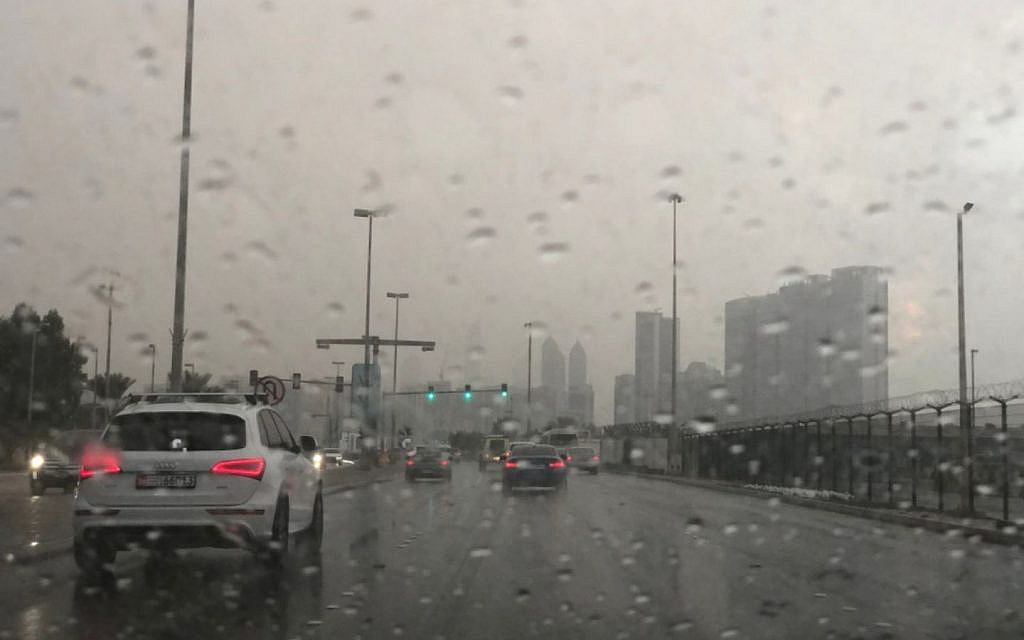
After completing a road trip in wet weather, it is necessary to inspect several key areas of your vehicle. A well-organised post-trip maintenance routine can help preserve your car’s condition.
Tyres and Wheel Arches
Rainy road trips often involve driving through puddles and muddy tracks, which can cause debris to accumulate around the tyres and inside the wheel arches. Start by inspecting this area as it’s most exposed to road debris during wet-weather travel. Carefully examine each tyre for embedded stones, sharp objects or signs of rainwater car damage in the UAE such as cuts or bulges, as rain-soaked roads can conceal hazards.
It’s important to check the tyre tread depth to ensure it provides adequate grip on wet surfaces. Reduced traction is a leading cause of skidding in rainy conditions. Use a pressure hose or high-powered water spray to clean the wheel arches thoroughly, as mud and dirt often get lodged in hard-to-reach areas.
Brakes and Brake Pads
Brakes are highly vulnerable after a wet road trip, especially if you’ve driven through deep water or mud. Rain and debris can affect braking performance and wear. After your trip, gently test the car brakes in a safe area to check for reduced responsiveness, squealing or grinding sounds, which may indicate trapped water or dirt.

Inspect the brake discs and pads where visible, as moisture can cause rust if the vehicle is parked while wet. Mud can also disrupt proper braking. Use gentle water pressure around the wheel hubs to remove dirt, avoiding direct pressure on sensitive parts like brake callipers. A short drive afterwards helps dry the brakes and restore normal function.
Underbody and Exhaust System
Rainy road trips in the UAE expose the car’s underbody to mud, gravel and other corrosive elements. These elements can speed up rust, especially if the protective coating is worn. After the trip, inspect the undercarriage with a torch to check for loose parts, scratches or corrosion. Clean the underside using a pressure washer, focusing on the wheel wells, suspension and metal chassis.
Inspect the exhaust system for water entry, as moisture in the muffler or tailpipe can lead to internal rust. Start the engine and check for unusual sounds or excess white smoke from the exhaust.
Lights and Electrical Components
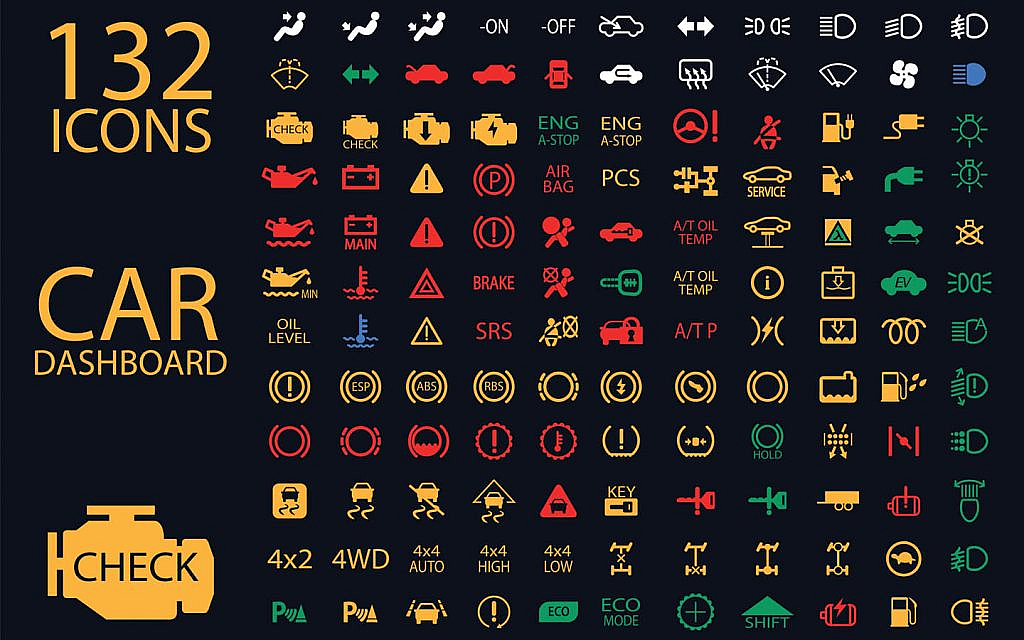
Rain and moisture can affect electrical components, especially if headlight seals are cracked or wiring is exposed. Check all exterior lights, including headlights, tail lights, fog lamps, indicators and brake lights. Condensation inside light housings may indicate seal issues. Inspect battery terminals for corrosion or moisture and ensure all connections are secure.
If electrical issues occurred during the trip, such as flickering lights or warning alerts, check the fuse box for signs of water exposure. Examine the windscreen wipers for wear; replace if they leave streaks or make noise. Refill the washer reservoir with a proper cleaning solution.
Interior and Carpets
Rain can bring moisture into the cabin through wet clothes, muddy shoes and umbrellas, which may affect carpets, seats and electronics under the floor. Start by removing all floor mats and vacuuming the interior. Wash and dry rubber mats thoroughly. For fabric mats, allow proper drying in sunlight to prevent mildew. Check under the mats for dampness on the carpet and if moisture is present, use a wet vacuum, fan or heater to dry it completely.
Also, inspect the boot and rear footwells for water accumulation. Wipe with a suitable conditioner for leather seats to remove moisture and prevent cracking. Use a fabric-safe cleaner for cloth seats. Place silica gel packets or moisture absorbers in the cabin to maintain a dry interior and prevent odours.
Paintwork and Exterior Surfaces
Rainwater often carries dirt, pollutants and minerals that can leave stains or dull the paint if left to dry. After a rainy road trip, wash the car thoroughly using a pH-neutral shampoo and rinse with clean water. A car maintenance checklist must include areas behind the mirrors, under the door handles and along the lower panels where grime tends to collect.
Dry the vehicle with a soft microfibre towel to prevent water spots and swirl marks. Once clean, inspect the paintwork for chips or scratches caused by gravel or road debris. Use touch-up paint or a clear sealant to protect exposed areas from rust. For added protection, apply wax or ceramic coating to help repel water and make future cleaning easier.
FAQs
Is it safe to wash a car immediately after a rainy road trip?
Yes. Washing your car promptly helps remove road grime and protects the paint and underbody from long-term damage.
Can rain affect a vehicle’s braking performance?
Rain can temporarily reduce braking efficiency, especially if mud or water enters the brake components.
How do I get rid of a musty smell inside the car after rain?
Dry all wet areas, use a vacuum on carpets, leave the windows open in a dry place and use silica gel or moisture-absorbing products inside the cabin.
Do I need a mechanic for car maintenance after rain?
Not always. A mechanic’s inspection is recommended if you notice any rattling sounds, rust patches or hanging parts. Otherwise, a thorough wash is usually sufficient.
That was all about cleaning car after rainy road trip. Post-rainy road trip maintenance is essential to preserve your vehicle’s mechanical condition, safety and appearance. Addressing these issues promptly prevents corrosion and costly repairs and ensures your vehicle remains reliable and performs efficiently during future drives.
If you’re buying used cars for sale in the UAE, check for rain damage like rust, worn brakes and interior moisture to avoid hidden issues.
Stay tuned to UAE’s top cars blog to learn about car maintenance and upkeep.
Related Posts