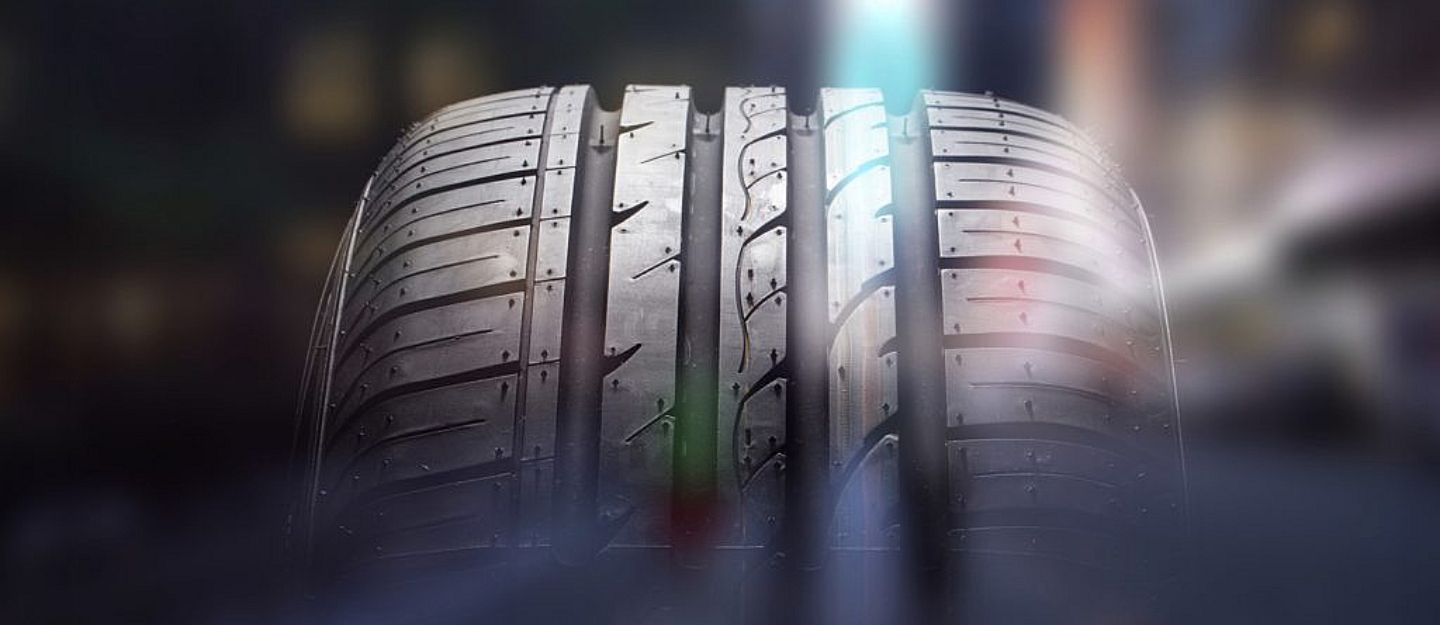
Swapping tyres at the right time sits at the crossroads of safety, performance and cost efficiency. Tyres are the only four patches of rubber connecting a two-ton vehicle to the road. Everything else, from braking and steering to traction and stability control, depends on that connection.
This makes it essential for drivers to understand tyre replacement timing, as worn tyres can directly affect vehicle control and the safety of everyone inside the car.
Signs of Tyres that Need Replacement
Knowing when to change car tyres requires attention to a few key indicators, including subtle shifts in grip, road noise and braking response. Spotting these early changes helps prevent sudden performance loss and supports safer driving across different road conditions. FAQs about changing car tyres can help drivers better understand these warning signs and make timely replacement decisions.
Uneven Tread Depth

Your car tyre lifespan hinges largely on tread depth, which plays a critical role in road grip, especially in wet or uneven conditions. When the tread becomes too shallow, the tyre loses its ability to maintain proper contact with the road, increasing the risk of skidding and longer stopping distances. One simple way to check this is by using a coin to assess tyre tread depth.
Damaged Sidewalls
The sidewall supports the tyre structure and protects its internal layers, making it essential for overall safety. As tyres wear or age, issues such as bulges, cracks and blisters may start to appear. These are serious warning signs, as tyre bulges can lead to sudden blowouts, increasing the risk of accidents and potentially violating road safety regulations.

Not all damage is easy to see, so it’s important to inspect both the inner and outer sidewalls carefully. Using a torch and a mirror can help reveal hidden defects and ensure a complete inspection.
Pressure Issues
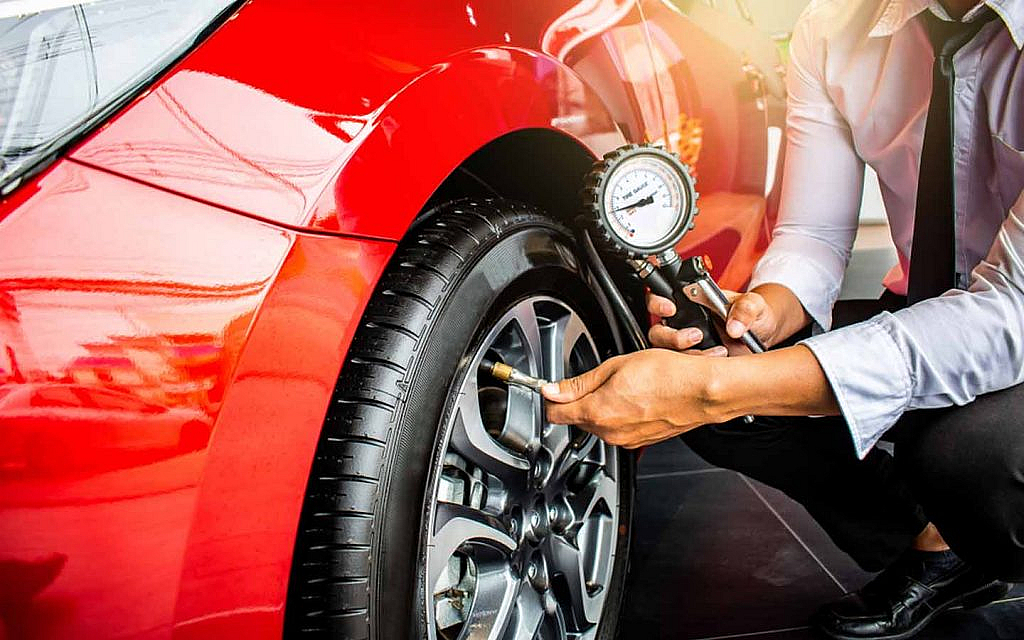
It is important to regularly check tyre pressure, as tyres can be either overinflated or underinflated. Underinflation reduces tread life, increases fuel consumption, generates excess heat and can compromise overall tyre durability. Over time, both conditions can negatively affect safety and performance.
Use a pressure gauge to ensure the pressure matches the manufacturer’s recommended specification. If a tyre continues to lose pressure frequently despite proper inflation, it may indicate underlying damage and could be a sign that replacement is needed.
Alignment Problems
Worn-out tyres, especially those showing uneven wear, bald spots or cupping, can lead to vibration, steering disturbance and an unstable feel while driving. If this happens, it’s important to reduce speed immediately and safely inspect your tyres.
While worn tyres can mimic alignment issues through poor handling and imbalance, they don’t directly cause alignment problems. Instead, improper alignment often leads to uneven tyre wear over time. If vibration continues even after checking tyre pressure and ruling out visible damage, it’s usually a sign that one or more tyres have reached the point of replacement.
Cupping
Uneven wear patterns such as cupping or scalloping indicate that a tyre requires immediate inspection. Tyre cupping results from irregular wheel movement, leading to uneven tread wear across the surface.
A rumbling noise at higher speeds may also indicate cupped tyres, which in severe cases should be replaced without delay. This condition often points to underlying suspension issues, making a professional inspection essential.
Tyre’s Age
One of the main reasons to change your car’s tyres is their age. Each tyre’s code includes the manufacturing date, usually showing the week and year it was made. Over time, the rubber can harden and deteriorate, making the tyre less effective and less safe, even if the tread still looks good.
FAQs
How often should you replace car tyres?
Taking care of your tyres can significantly affect their performance and lifespan. However, there is no specific way to tell how long they will last, especially in the hot weather of the UAE. Between summer and winter tyres, it is advisable to use summer tyres in the UAE owing to its hot weather. Keep an eye on the signs of wear and tear
What is the average lifespan of a car tyre?
The average car tyre lifespan is around 40,000 to 80,000 kilometres, depending on the driving conditions and maintenance.
What are the signs to replace tyres?
Tyres need changing when you notice low tread depth, uneven wear, cracks, bulges, vibrations or reduced grip.
How can I check if my tyres are worn out?
You can check if tyres are worn out by inspecting tread depth, looking for visible damage and using a coin test or tread wear indicators.
Understanding tyre replacement timing is essential for maintaining safety, performance and control on the road. From tread wear and sidewall damage to pressure issues, cupping and tyre age, each warning sign plays an important role in identifying when replacement is needed. Regular inspections and timely action not only improve driving comfort but also help prevent unexpected failures and costly repairs.
If these tyres issues keep appearing despite regular maintenance, exploring used cars for sale in the UAE could be a practical step towards a safer driving experience.
For more information about cars and car parts, stay tuned to the UAE’s leading auto blog.
Related Posts