- Why Size Matters
- Size of Car Speakers
- Measuring Car Speaker Size
- Speakers for Different Models
- Things to Consider
- FAQs
Upgrading your car’s audio system is one of the most impactful enhancements to improve your driving experience. Whether you are an audiophile or simply want to upgrade from the factory-installed system, choosing the accurate speaker size is crucial. Let us walk you through the various factors involved in selecting the right speaker size for your vehicle.
Why Car Speaker Size Matters
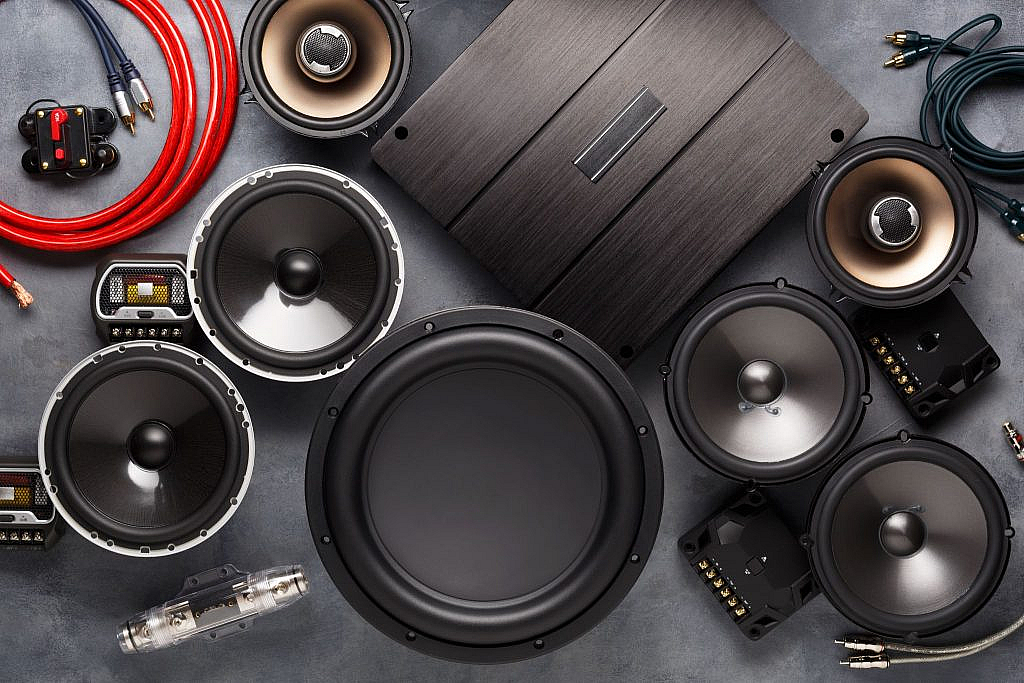
When upgrading your car speakers, it’s not just about better sound quality. The size of the speakers directly affects the ease of installation, the sound profile and the aesthetics of your audio setup. Mismatching the speaker size can lead to poor sound output or physical incompatibility with your car.
Key Reasons Speaker Size Matters
- Fit and Compatibility: Each car model has specific spaces allotted for speakers. Choosing the wrong size can lead to installation challenges.
- Sound Quality: Larger speakers generally deliver richer, deeper bass, while smaller ones excel at producing high frequencies.
- Power Handling: The size also affects how much power the speaker can handle, determining its loudness and clarity at high volumes.
Types of Car Speakers
Before diving into sizes, it’s essential to understand the different types of car speakers available for your car. They generally fall into two categories:
- Component Speakers: These systems feature separate drivers for different sound frequencies (woofers for low frequencies, tweeters for high frequencies).
- Coaxial Speakers: These are all-in-one systems with multiple drivers (usually a woofer and a tweeter) integrated into a single unit.
Different Car Speaker Size
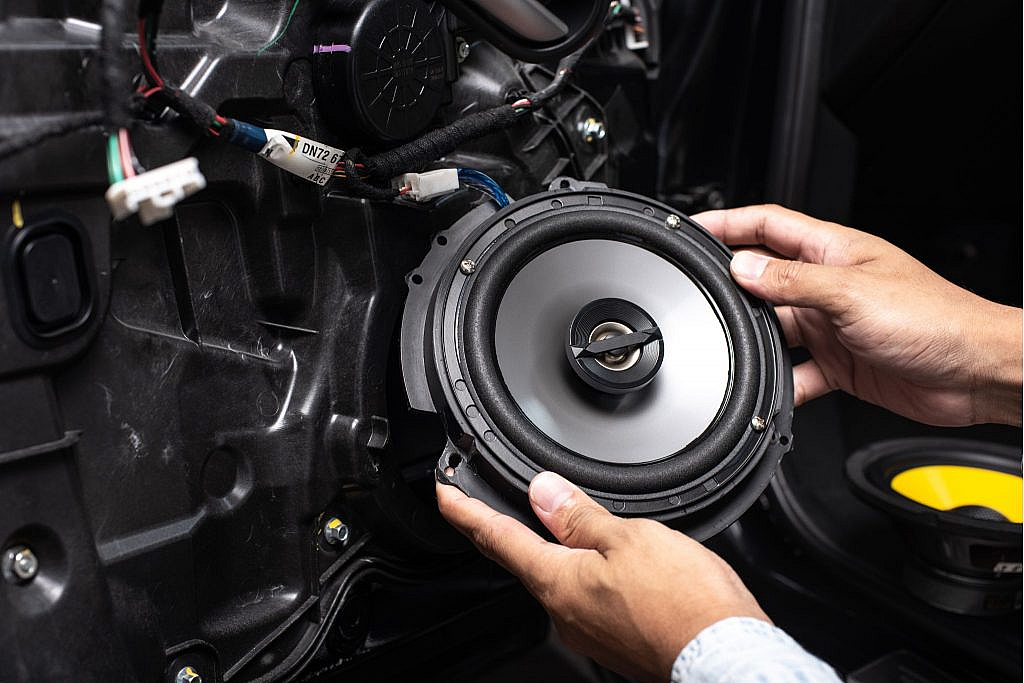
Car speakers come in several standard sizes. However, you can find out which one fits your vehicle. All you need is to measure the diameter of the current speaker or read your car’s manual. Here are the most common sizes:
3.5-Inch Speakers
- Best For: Dashboards and small spaces.
- Pros: Perfect for high frequencies and clear treble.
- Cons: Minimal bass response.
- Ideal Use Case: For drivers seeking clarity in mids and highs without altering the vehicle’s interior.
2. 4-Inch Speakers
- Best For: Compact cars and dashboards.
- Pros: Clear mids and highs, easy to install.
- Cons: Limited bass output.
- Ideal Use Case: For upgrading treble and midrange in a compact vehicle.
3. 5.0 x 7.0-Inch Speakers
- Best For: Sedans, trucks and SUVs with larger rear speaker placements.
- Pros: Good balance of mids, highs and moderate bass.
- Cons: Larger footprint requiring enough space.
- Ideal Use Case: For those looking for an all-around performance without additional components.
4. 5.25-Inch Speakers
- Best For: Small to medium-sized vehicles.
- Pros: Good mids and highs with slight bass improvement.
- Cons: Not ideal for bass-heavy music.
- Ideal Use Case: Balanced sound upgrade for stock systems.
5. 6.0 x 8.0-Inch Speakers
- Best For: Medium to large vehicles like SUVs.
- Pros: Strong bass response with full-range sound.
- Cons: Bulky and may require custom installation.
- Ideal Use Case: Drivers looking to fill large interiors with more robust sound without adding subwoofers.
6. 6.5-Inch Speakers
- Best For: Most cars and SUVs.
- Pros: Versatile size with a balanced sound profile.
- Cons: May require minor modifications in smaller vehicles.
- Ideal Use Case: Suitable for most drivers seeking enhanced audio performance across all frequencies.
7. 6×9-Inch Speakers
- Best For: Larger vehicles, sedans and trucks.
- Pros: Excellent bass, full sound range.
- Cons: Large and may require custom mounting.
- Ideal Use Case: Perfect for bass-heavy audio systems without needing a subwoofer.
8. 8-Inch Speakers
- Best For: Trucks, SUVs and high-performance audio setups.
- Pros: Superb bass response with rich, full-bodied sound.
- Cons: Requires significant space and custom fitting.
- Ideal Use Case: For audiophiles who want powerful low-end bass without adding separate subwoofers.
Measuring Car Speaker Size and Compatibility
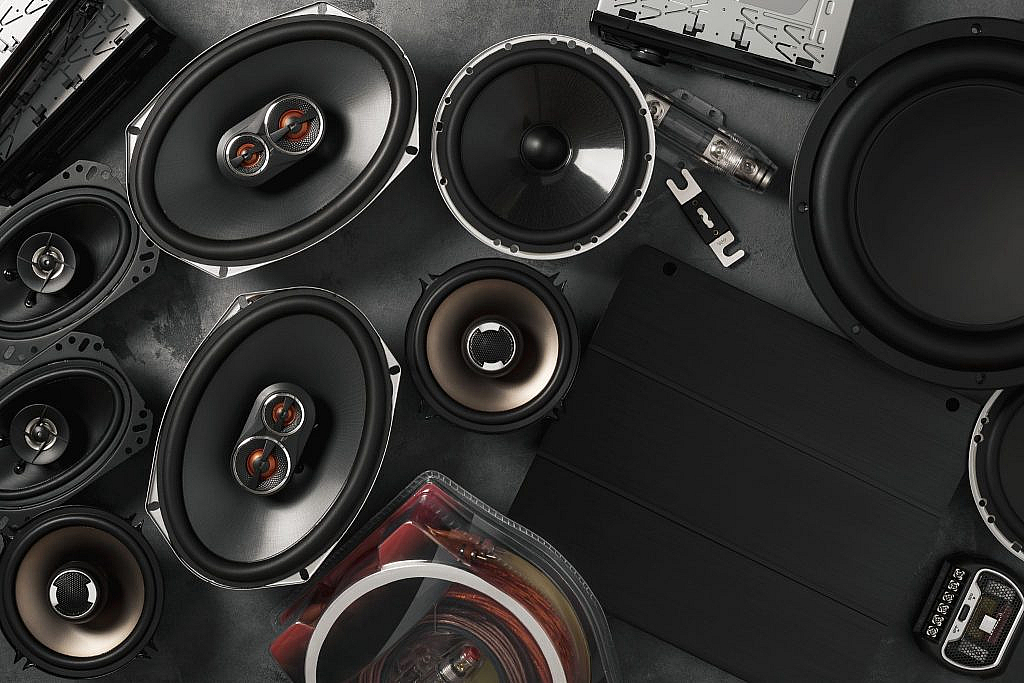
Accurately measuring car stereo speaker size ensures a seamless installation and maximises sound performance. Here is how you can measure the car speaker sizes.

Consult Your Car Manual
Consult the manual to determine the speaker sizes your vehicle supports. It provides details about both front and rear speaker dimensions.
Measure Your Current Speakers
If the manual isn’t available, you can manually measure the speaker dimensions. Simply remove the factory speaker and measure from edge to edge to determine the diameter.
Use Online Databases
Many online databases offer tools to find speaker compatibility based on the make, model and year of your car. Once you find out the size, here is how to replace and upgrade car speakers.
Car Speaker Size for Different Car Models
Here’s a breakdown of typical speaker sizes for popular vehicle types:
- Sedans: Most sedans come with 6.5-inch speakers in the doors and 6×9-inch speakers in the rear deck. This setup allows for a well-rounded sound experience with decent bass.
- Compact Cars: Smaller cars generally have 4-inch or 5.25-inch speakers. While these provide good mids and highs, additional bass can be achieved by adding a subwoofer.
- SUVs and Trucks: SUVs and trucks often have space for 6.5-inch or 6×9-inch speakers, allowing for a broader sound range. Some larger vehicles also have room for 8-inch subwoofers, which significantly enhance low-frequency sound.
Here are some useful tips for buying a car stereo to enjoy better sound quality.
Additional Considerations When Choosing Speakers
Here are key factors beyond size to ensure your speaker upgrade meets your performance and installation needs.
Power Handling (RMS and Peak Power)
Ensure the speaker size matches your car’s amplifier or head unit power output. Larger speakers typically handle more power, but their performance is best when matched with an appropriately powered amplifier.
Sound Quality Preferences
- Bass lovers: Larger speakers (6×9-inch or 8-inch) provide deeper bass.
- Treble enthusiasts: Smaller speakers (3.5-inch or 4-inch) excel at high frequencies.
Installation Complexity
Speakers that require a non-standard size or mounting depth might need custom brackets or cutting. Be prepared for a more complicated car speaker installation if you opt for these sizes.
FAQs
What size speakers will fit in my car?
The size of speakers in your car depends on the make, model and year. Check your car manual or use online tools to find compatible sizes.
How to measure a car speaker size?
Measure the diameter from edge to edge and check the mounting depth to ensure the new speaker fits properly in the space.
Do car speakers come in standard size?
Yes, car speakers come in standard sizes such as 4″, 5.25″, 6.5″, 6×9″ and more, but different vehicles may support different sizes.
How to calculate speaker size?
Measure the speaker’s diameter from one mounting hole to the opposite hole and account for mounting depth to ensure a proper fit in your car.
Choosing the right speaker size for your car isn’t just about fitting them into your vehicle. It’s about matching your audio expectations with the available space, power handling and sound quality you desire. By measuring your existing speakers and knowing your sound preferences, you’ll be able to make the right choice.
Those looking to upgrade their car’s audio experience can buy car speakers in the UAE. Also, if you want a vehicle upgrade, you can explore used cars for sale in the UAE to find the perfect match for your new audio system.
If you want to get a vehicle with an upgraded stereo, check out these new cars for sale in UAE and buy a vehicle of your choice.
Stay in touch with dubizzle car blogs to know more about car upgrades and maintenance.
Related Posts