Car engines are intricate machines with moving parts working together to deliver power. However, over time, wear and tear or mechanical issues can disrupt this balance, resulting in problems like piston slap. Understanding such issues helps vehicle owners address them promptly and maintain engine performance. Moving forward, here’s all you need to know about piston slap in cars, its causes, symptoms and prevention.
What is Piston Slap?
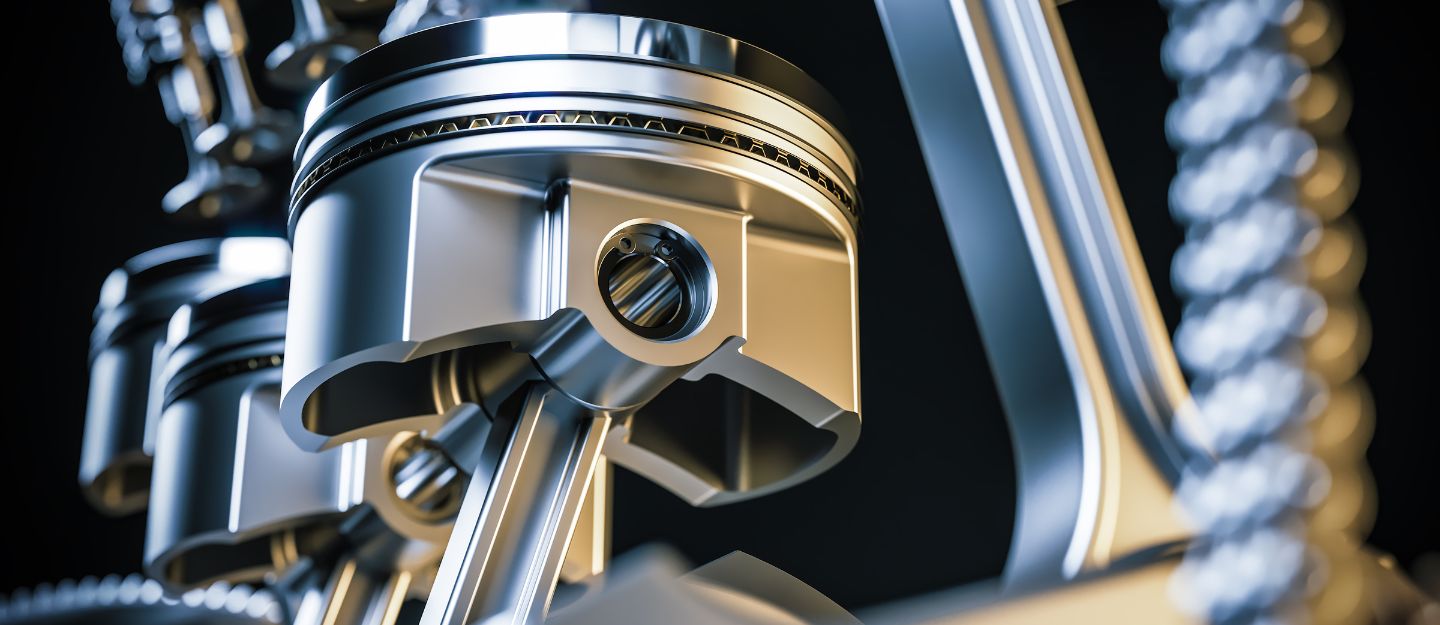
A piston slap occurs when a piston moves side-to-side within its cylinder during operation, rather than gliding smoothly up and down. This side-to-side motion happens because of excessive clearance between the piston and the cylinder wall. It causes the piston to slap against the wall.
The result is an audible knocking or tapping sound, which is more noticeable when the engine is cold. While piston slap is not immediately catastrophic, ignoring it can lead to more severe engine damage over time.
Symptoms of Piston Slap in Cars
If the piston slap is ignored for a long time, it causes piston damage in cars, leading to bigger problems. Recognising the symptoms of piston slap early can help prevent long-term engine issues. Here are the most common indicators:
Knocking or Tapping Sound
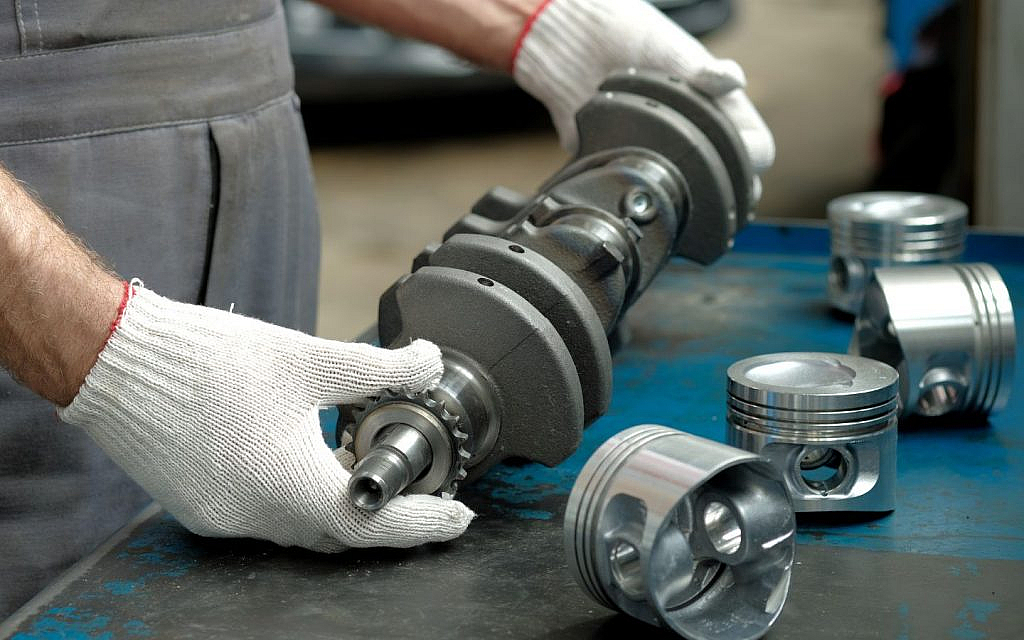
The most common sign is a metallic knocking or tapping noise heard from the engine, especially during a cold start. The sound occurs because the piston is hitting the cylinder wall due to excessive clearance. Case in point, such noises are car sounds that shouldn’t be ignored and must be looked into at the earliest.
Loss of Engine Performance
The engine may exhibit a slight decrease in performance over time, including reduced power output or efficiency. This happens because worn car engine parts may lead to reduced compression, affecting overall engine performance.
Noise Reduces as Engine Warms Up
The knocking noise tends to diminish or disappear after the engine reaches operating temperature. Moreover, as the engine warms up, components expand slightly, reducing the clearance between the piston and cylinder wall.

Increased Oil Consumption
Another symptom you may notice is that the engine consumes more oil than usual. Excessive clearance can cause oil to pass into the combustion chamber parts, where it burns.
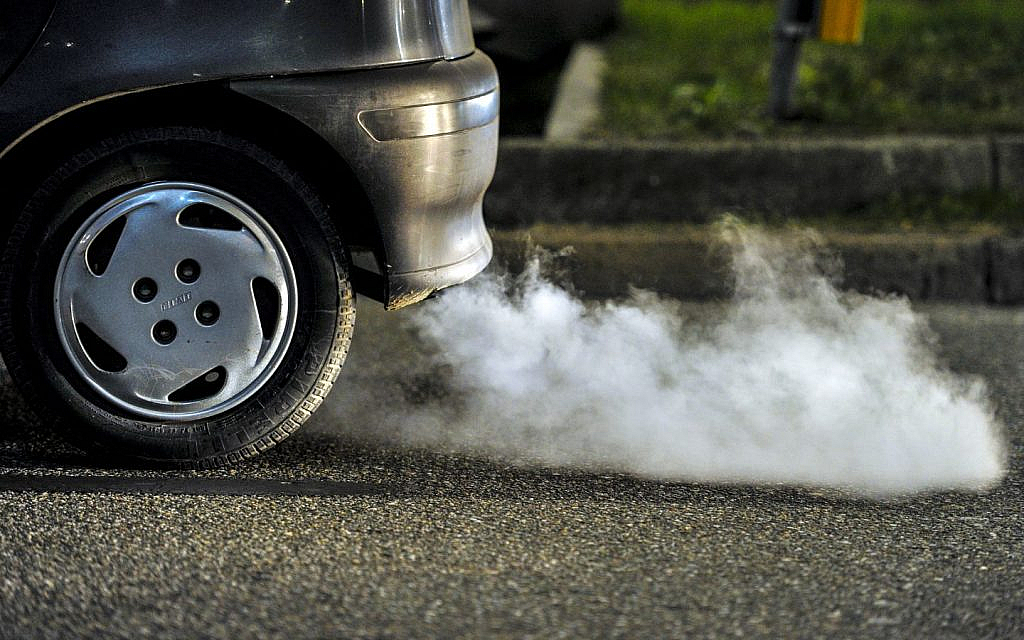
Exhaust Smoke
Blue or grey car exhaust smoke is a sign that the engine is burning oil. This happens when a piston slap allows oil to leak into the combustion chamber, where it gets burned along with the fuel.
Common Causes of Piston Slap
Piston slap can be attributed to several factors, including manufacturing tolerances, wear and tear and improper maintenance. Here are the most common causes and fixes of piston slap in cars:
Excessive Piston-to-Wall Clearance
The most common cause of piston slap is excessive clearance between the piston and the cylinder wall. This issue often arises due to wear and tear over time or incorrect manufacturing tolerances. When the clearance is too large, the piston moves sideways instead of sliding smoothly, leading to the knocking sound associated with the piston slap.
Worn Piston Skirts
Piston skirts, which are the lower sections of pistons, provide stability during engine operation. Over time, especially in older engines, these skirts can wear down, reducing their ability to maintain proper alignment. As a result, the piston becomes prone to lateral movement, which contributes to the occurrence of piston slap.
Cold Engine Operation
Engines are designed with tolerances that accommodate heat expansion during operation. When the engine is cold, the piston-to-cylinder clearance may temporarily increase. This condition makes the slap more noticeable during cold starts as the piston shifts sideways until the engine warms up.
Engine Design
Certain engine layouts are inherently more prone to piston slap. High-performance or turbocharged engines, for instance, often feature lightweight pistons or larger tolerances for performance purposes. While these designs enhance speed and efficiency, they make engines more susceptible to lateral piston movement.
Poor Maintenance or Oil Issues
Inadequate engine maintenance, such as infrequent oil changes or using the wrong engine oil viscosity, can accelerate wear on internal components. Proper lubrication is essential for minimising friction and wear. Without it, the piston and cylinder wall degrades faster, increasing the likelihood of piston slapping over time.
Prevention and Fixes for Piston Slap
Now that we’ve learned the common causes and symptoms, here’s how to get rid of piston slaps in cars.
Assess the Severity
Determining the severity of piston slap is the first step in addressing it. Listen for a metallic knocking sound, especially during cold starts. If the noise diminishes as the engine warms up and doesn’t affect performance, it may not require immediate attention. However, if the issue persists, leads to increased oil consumption or causes visible exhaust smoke, it indicates a more serious problem.
Performing Regular Maintenance
Routine maintenance, such as timely oil changes, ensures that the engine is well-lubricated and minimises wear on components. Following the manufacturer’s recommended service intervals is essential for preventing issues like piston slap. Additionally, keep an eye on engine performance and oil levels to identify potential problems early.
Choosing the Right Engine Oil
Switching to high-quality synthetic car oil or a higher-viscosity oil designed for your engine can significantly reduce piston slap noise. These oils provide better lubrication and cushioning. They help minimise lateral piston movement within the cylinder.
Replacing Worn Components
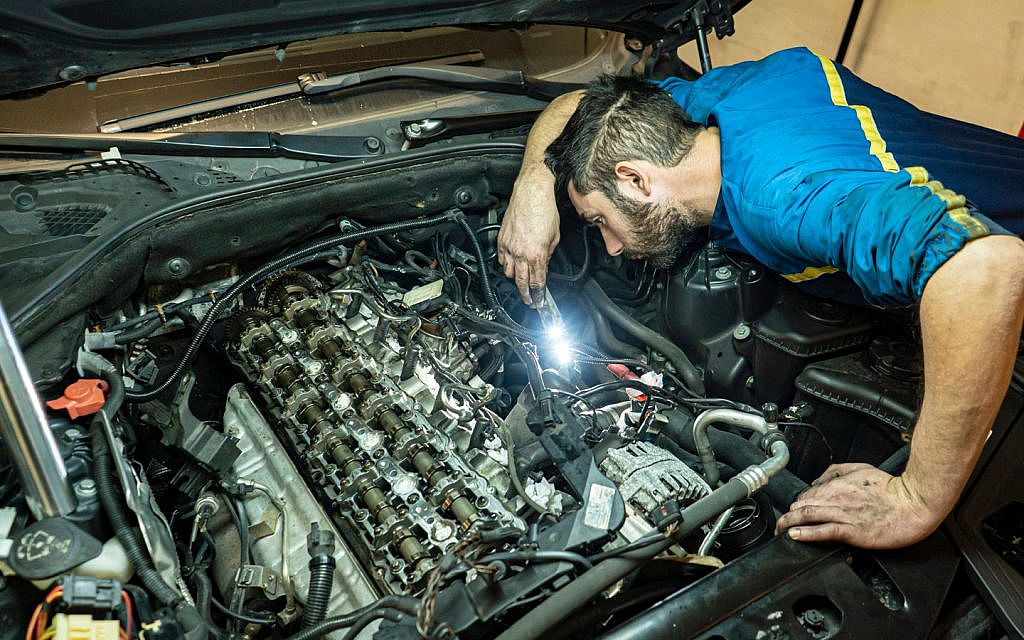
In severe cases, piston slap may require replacing damaged pistons, piston rings or cylinder liners. These components wear out over time, especially in high-mileage engines, leading to excessive clearance and noise.
In addition, an engine overhaul or rebuild may be necessary to restore proper tolerances. This fix is more intensive but addresses the root cause.
Modifying Driving Habits
Adapting your driving habits can help prevent or minimise piston slap. Avoid revving the car aggressively when it is cold. It increases wear on engine components before they have expanded to their operating size. Plus, always allow the engine to warm up before driving at high speeds or under heavy loads.
FAQs
Will piston slap damage your car engine?
Yes, prolonged piston slap can damage the engine by excessive wear on the piston, cylinder wall and other components.
What is the most likely cause of piston slap?
The most common cause of piston slap is excessive clearance between the piston and the cylinder wall or engine design.
Can I drive my car with a piston slap?
You can drive with a piston slap if it’s minor. However, prolonged driving without addressing the issue can lead to engine damage over time.
Piston slap is a common issue in engines and may initially seem like a minor annoyance. However, ignoring it can lead to severe damage, such as worn cylinder walls, reduced engine performance and costly repairs. If you notice persistent engine noise, reach out to a car garage in Dubai or any emirate you’re based in.
However, if you are experiencing such recurring issues with your car, it’s time for a change. Consider these new cars for sale in the UAE to pick your next ride.
To learn about engine problems, car care tips and more, keep reading dubizzle’s cars blog.
Related Posts