
Car locking mechanisms have undergone considerable transformation ever since their inception. They have evolved from simple mechanical systems to sophisticated digital security solutions. These systems have become essential for both the safety and convenience of vehicles.
The development of car lock technology was driven by the need for better security and consumer demand for ease of use. However, as automotive security measures have improved, so have the methods used to bypass them. This has resulted in continuous innovation and adaptation. Now, let’s look at the timeline for the evolution of car locks to understand how auto manufacturers have upgraded these security systems over time.
Historical Timeline of Car Locking System Advancements
Car locking technology has come a long way, transforming from basic mechanical locks to advanced digital locking systems. This transformation has enhanced key aspects of modern vehicles, such as security and consumer convenience. Here’s an in-depth history of car locks tracing their evolution from traditional keys to cutting-edge smart systems.
The Early Days (Late 19th–Early 20th Century)
The first automobiles, in the late 19th century and early 20th century, did not incorporate a locking system. The cars in this era featured a complex starting process that helped in reducing the likelihood of theft. The early vehicles required a series of manual steps to start such as engaging a rotary switch and hand-cranking the engine. Due to such a starting mechanism, it was mainly operated by trained drivers.
However, as automobiles gained popularity, the need for security increased. The first effort in theft prevention was the introduction of lockable ignition switches. By 1911, vehicles came equipped with ignition systems that required a key. This prevented unauthorised use from starting the car.

The Mechanical Lock Era (1920s–1950s)
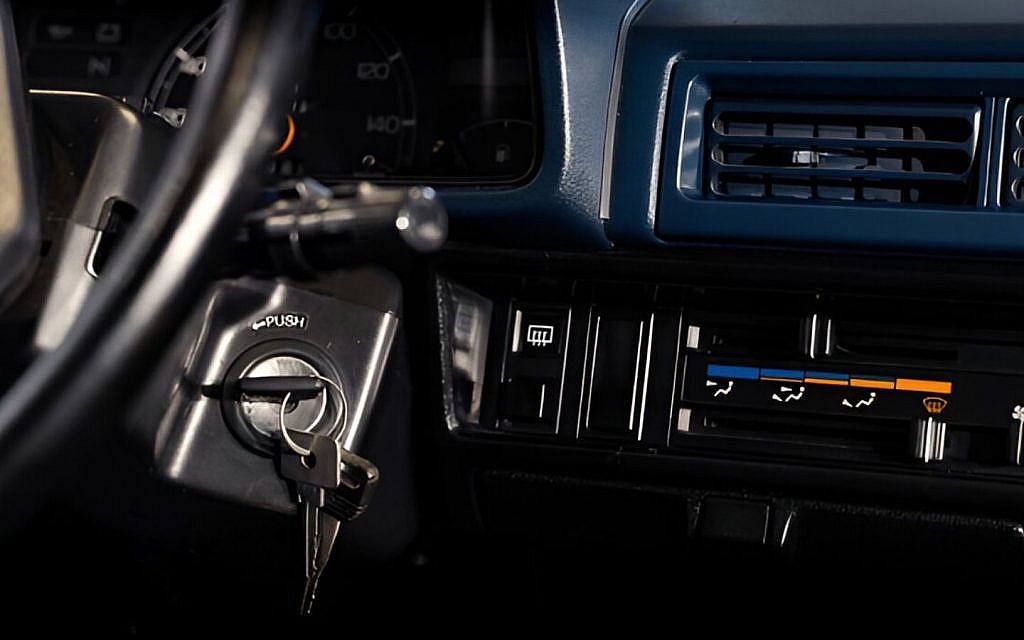
With the addition of doors, windows and roofs in the 1920s, cars required better security. Early locking systems were straightforward but effective, utilising basic locks operated by keys. This allowed the owners to safeguard their vehicle and the valuables inside it.
Central locking, also known as power door locks, gained popularity in the 1950s. First introduced in 1914 by Scripps-Booth in a luxury car, this mechanism helps car owners unlock all doors simultaneously with a switch or button.
Until the 1960s, cars had two separate keys for the door and ignition. However, by the late 1950s, a single-key system was introduced. This system allowed car owners to use one key for both purposes.
The Transponder Key Revolution (1980s–1990s)
In the 1980s, significant improvements were made to enhance car security systems. One such advancement was the introduction of transponder keys. They marked a key milestone in the evolution of car keys. These keys contained a small electronic chip that was linked to the car’s engine control unit. When inserted into the ignition, the chip generated a unique signal that had to match the car’s security system to start.
The integration of transponder keys played a vital role in reducing car theft, as hotwiring became nearly impossible. However, this mechanism had its own challenges such as costly replacement.
The Rise of Keyless Entry (1990s–2000s)
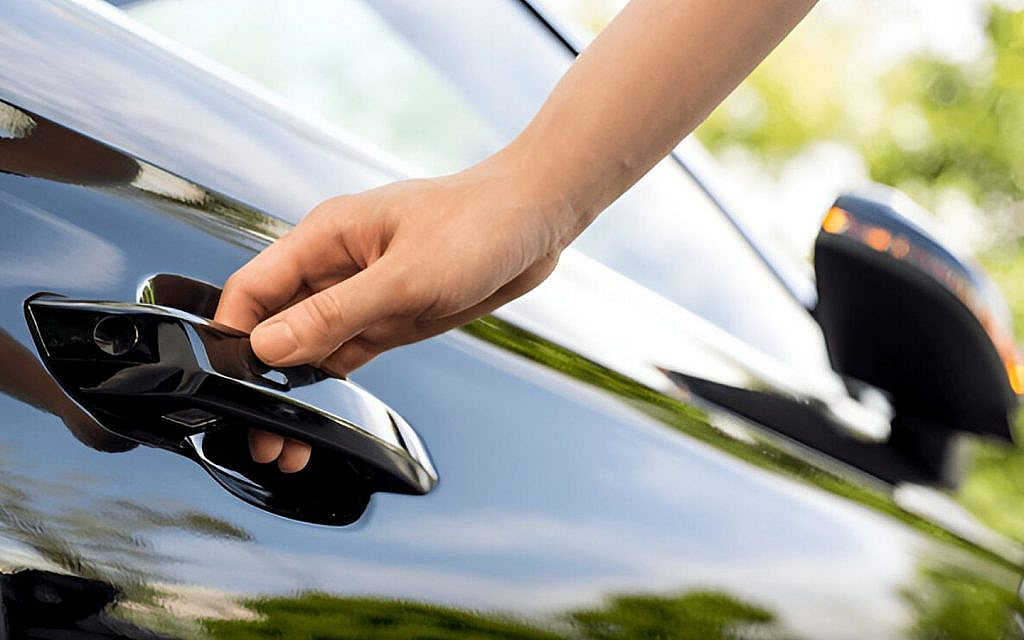
Keyless entry technology gained prominence significantly in the late 1990s and the early 2000s. It allowed the drivers to unlock their vehicles using a small remote, often built into the key. This advancement added convenience as unlocking the doors manually was impractical.
The Smart Key Era (2010s–2020s)
Smart keys were introduced in the 2010s. With the integration of this technology, cars could detect their owners when they were in close proximity. Furthermore, drivers could unlock their vehicles and start the engine effortlessly using a push-button system. To protect the vehicle from theft, rolling code technology was introduced. This technique changed the key fob’s signal constantly to prevent cloning or hacking.
The Digital Age (2020s–Present)
Today, the car locking technology has become completely digital. Many modern vehicles offer smartphone-based access. This enables the user to unlock and start their cars via mobile apps. Moreover, various high-end models feature biometric car entry systems, such as fingerprint or facial recognition, for additional security.
FAQs
Do modern cars auto-lock?
Most modern car models don’t lock automatically if the engine is running to prevent locking the keys inside.
What is a car fob?
A traditional key fob is a small device that lets you unlock and control your car without using a key.
What is meant by a rolling code?
A rolling code prevents replay attacks in keyless entry systems. This is done by changing with each use, stopping criminals from reusing signals.
As technology continues to evolve, future car locks will likely integrate even more advanced security features. Furthermore, the evolution of the car locking system reflects the constant push and pull between security and convenience. From simple mechanical locks to advanced biometric systems, each innovation has brought new advantages. The evolution of car security is driven by the need to protect our vehicles, with continuous advancements shaping how we safeguard them.
Here are some used cars for sale in the UAE if you are looking to buy a new ride. For brand new options, go through these new cars for sale in the UAE.
Keep reading dubizzle’s auto blog to learn more about the evolution of different car components.
Cover Image Credits: Shutterstock Image Contributor – Lenar Nigmatullin
Related Posts