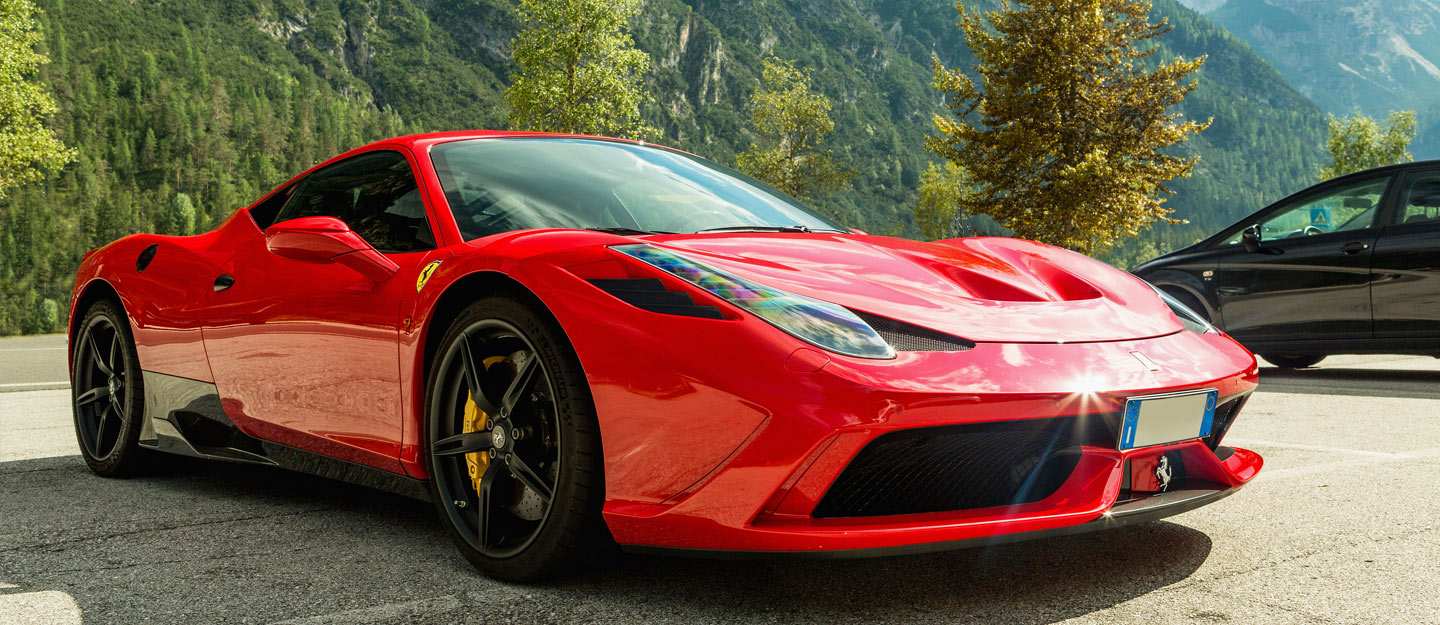
A buttress in cars is typically a structural rear quarter pillar that supports the vehicle’s roof. It also acts as an aerodynamic aid, stabilising airflow at a particularly turbulent point on the car’s body. These design elements are often found around the rear window and C-pillars. Moreover, they are also used to enhance structural rigidity and aerodynamics. Let’s go through the details about their function and examples.
Functions of Buttresses in Cars
Let’s go through the function of the buttress in detail.
Structural Rigidity
The purpose of a buttress is to help support the roof and rear window area, adding strength to the car’s structure. This is particularly important in high-performance cars, where chassis rigidity can significantly affect handling and safety. By reinforcing the connection between the roof and the rear of the car, buttresses can increase the torsional stiffness of the vehicle. This reduces flexing and improves stability during high-speed driving.
Aerodynamics
Buttresses in cars can help manage the airflow over the car, reducing drag and increasing aerodynamic efficiency. They can direct air more smoothly around the vehicle, minimising turbulence. In some designs, buttresses can help generate downforce. This helps improve traction and stability at high speeds by increasing the pressure on the rear wheels.
Aesthetic Appeal
Buttresses can give a car a distinctive, sporty appearance. They are often used in exotic and high-performance vehicles to enhance their visual appeal and convey a sense of speed and power.
Examples of Cars with Prominent Buttresses
Here are a few prominent cars with buttress design structures.
Ferrari 488 GTB
The Ferrari 488 GTB features prominent rear buttresses that flow from the roof to the rear fenders. These buttresses help with aerodynamics and contribute to the car’s sleek, aggressive design. Those looking to buy the model can go through these used Ferrari 488 GTB cars for sale in the UAE.

Ford GT
The modern Ford GT has dramatic buttresses that extend from the roofline to the rear, creating a tunnel-like effect. These buttresses are crucial for aerodynamics, directing airflow to the rear wing and stabilising the car at high speeds. Here is a list of pre-owned Ford GT cars for sale in the UAE.
McLaren 720S
The McLaren 720S incorporates buttresses that flow into the rear quarter panels. These elements enhance the car’s aerodynamic profile and support the structural integrity of the chassis.
Chevrolet Corvette C8
The mid-engine Corvette C8 features subtle buttresses that integrate with the rear pillars. These buttresses contribute to the car’s aerodynamic performance and help maintain a balanced, sporty design. Go through this list of pre-owned Chevrolet Corvette cars in the UAE including the C8 model.
Types of Buttresses
Car buttresses come in various types, each serving specific structural and aerodynamic purposes while also contributing to the vehicle’s aesthetic design. Here are the main types of car buttresses:
Traditional Buttresses
These are the most common type, extending from the roofline down to the rear fenders or the rear quarter panels. They provide additional support to the roof structure, increase torsional stiffness and help manage airflow around the car.
Flying Buttresses
These buttresses are distinct because they create an open space between the buttress itself and the main body of the car, effectively ‘floating’ over the rear quarter panels. Flying buttresses improve aerodynamics by channelling airflow through the gap to reduce turbulence and increase stability. They also contribute to a unique and aggressive design.
Integrated Buttresses
These buttresses are smoothly integrated into the car’s bodywork, often appearing as a natural extension of the rear pillars without a pronounced separation from the main body. They maintain structural support and aerodynamic efficiency while offering a sleek, cohesive appearance.
Aerodynamic Buttresses
Specifically designed with a focus to improve aerodynamics, these buttresses often feature complex shapes and sometimes include additional elements like vents or channels. They optimise airflow to minimise drag and increase downforce, enhancing high-speed performance and stability.
Decorative Buttresses
While still providing some structural and aerodynamic benefits, these buttresses are primarily designed to enhance the car’s aesthetic appeal. They add a sporty and aggressive look to the vehicle without significantly altering its overall aerodynamics or structural rigidity. Various custom and concept cars often employ decorative buttresses.
Functional Buttresses
These buttresses serve multiple functions, such as housing air intakes or exhaust vents, in addition to their structural and aerodynamic roles. They provide necessary airflow to engine components, enhance cooling and improve overall vehicle performance.
Example: Lamborghini Aventador SVJ, where the buttresses also function as part of the car’s complex aerodynamics and cooling systems.
Convertible Buttresses
Found on convertible models, these buttresses often serve as roll-over protection structures in addition to their standard functions. They add structural integrity and safety to the convertible’s design, ensuring the roofless car remains rigid and safe. For instance, the Ferrari 458 Spider uses a convertible buttress.
FAQS
What is a buttress in a car?
A buttress in a car is a structural and aerodynamic design element typically found around the rear window and C-pillars.
What are the main functions of car buttresses?
The main functions are to improve structural rigidity and enhance aerodynamics.
How do buttresses improve structural rigidity in cars?
They support the roof and rear window area, increasing torsional stiffness and reducing flexing.
In what way do buttresses aid aerodynamics?
They manage airflow, reduce drag and can help generate downforce to improve stability.
Can buttresses be found in all types of cars?
No, they are typically found in high-performance and sports cars.
That is all about buttresses in cars. They serve multiple purposes, from improving structural rigidity and aerodynamics to enhancing the vehicle’s aesthetic appeal. They are a common feature in high-performance and sports cars, where these benefits are particularly valuable.
Stay tuned to dubizzle’s cars blog for more on design elements supporting car processes and performance.
Related Posts