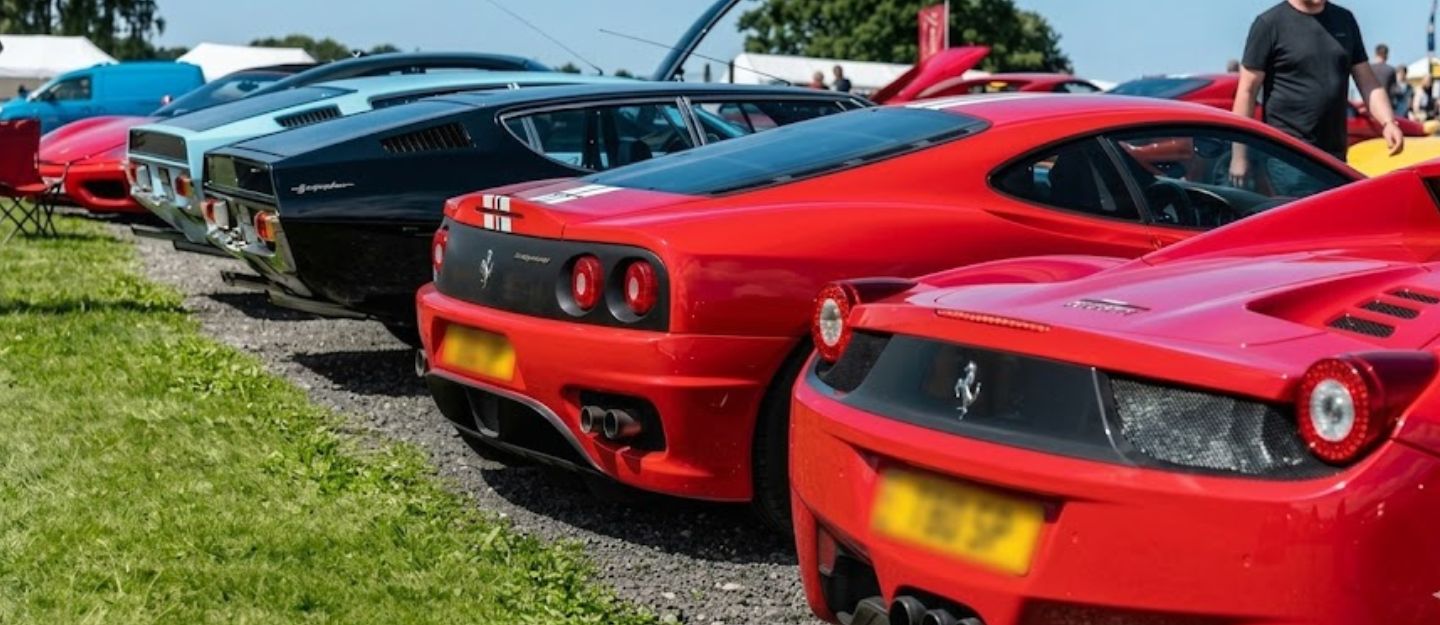
Automotive rivalries have played a central role in shaping the global car industry. Competition between manufacturers and individual models has driven advancements in performance, engineering and design, producing vehicles that define entire eras. These rivalries extend beyond competition. They shape innovation cycles, brand identity and consumer expectations across every segment, making them some of the biggest automotive rivalries in history.
Famous Car Brand Rivalries
Competition between the world’s largest automakers has shaped the direction of the automotive world for decades, influencing engineering priorities and brand identity on a global scale. These rivalries often reflect broader battles in performance, luxury and technological innovation.
Ford vs Ferrari: The Race for Le Mans Supremacy
Ferrari rejected a 1963 acquisition offer, prompting Ford, a popular American car brand, to launch a focused performance programme. The company developed the GT40 specifically for endurance racing, positioning itself directly against Ferrari at Le Mans.
Years of refinement led to race readiness, culminating in a historic 1-2-3 finish in 1966. Continued performance improvements sustained this momentum, securing four consecutive victories from 1966 to 1969.
Outcome: Ford ended Ferrari’s dominance at Le Mans and established a lasting presence in endurance racing.
Ferrari vs Lamborghini: Italian Supercar Rivalry
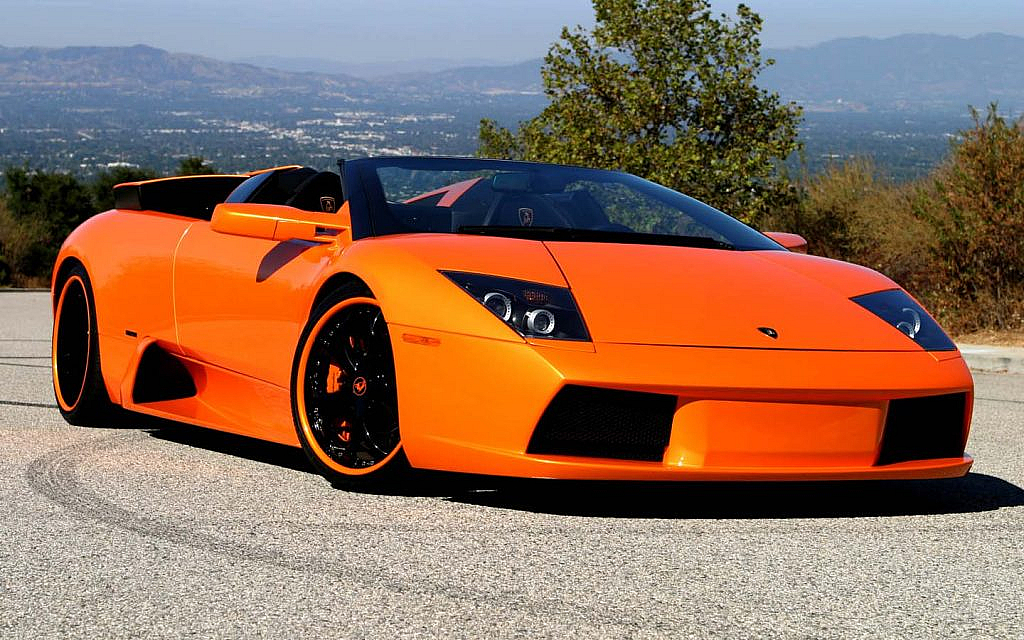
Following criticism of Ferrari’s engineering approach, Ferruccio Lamborghini established his brand in 1963, introducing a new competitor into the segment. Ferrari maintained its race-focused philosophy, strengthening its motorsport credibility, while Lamborghini emphasised bold styling and innovative road cars.
Ongoing competition between the two brands elevated both performance and design standards, influencing the evolution of modern supercars.
Outcome: Ferrari leads in motorsport heritage, while Lamborghini continues to define design innovation.
Mercedes-Benz vs BMW: Luxury and Performance Leadership
Mercedes-Benz introduced the S-Class in 1972, setting new benchmarks in comfort and safety. BMW followed with the 7-Series in 1977, delivering a more dynamic and driver-focused experience.
Continuous advancements in engineering and technology, including safety systems, have strengthened both brands. This has enabled them to maintain strong competitive positioning in the luxury segment.
Outcome: Both brands continue to set benchmarks in premium automotive engineering.
BMW M vs Mercedes-AMG: Performance Division Rivalry
Mercedes-AMG established its reputation with powerful V8 engine sedans, delivering strong straight-line performance. In contrast, BMW M focused on precision handling and driver engagement, creating a more balanced driving experience.
Ongoing competition has resulted in continuous advancements in power, agility and refinement, ensuring both divisions remain at the forefront of performance engineering.
Outcome: The rivalry remains active, driving advancements in high-performance luxury vehicles.

Major Car Rivalries in Automotive History
At ground level, specific vehicles have gone head-to-head within their segments, creating direct competition that shaped enthusiast culture and everyday performance expectations.
Ford Mustang vs Chevrolet Camaro: The Pony Car War
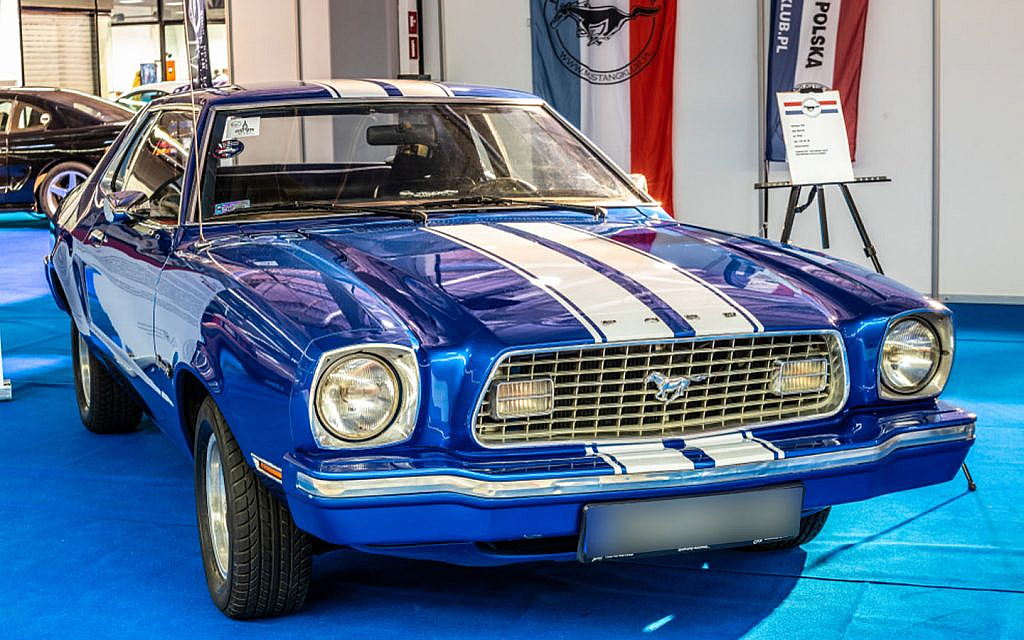
This rivalry established one of the most recognisable segments in automotive history.
Ford launched the Mustang in 1964, achieving over 400,000 sales in its first year and creating the pony car segment. Chevrolet responded with the Camaro in 1967, introducing direct competition across both road and track.
The development of performance variants such as the Boss 302 and Z/28 strengthened their identities, while cultural exposure further cemented their status as icons of performance and individuality.
Outcome: The Mustang leads in long-term continuity, while both models define the muscle car segment.
Nissan Z vs Mazda RX-7 vs Toyota Supra: Japan’s Sports Car Triangle
Nissan introduced the Z in 1969, followed by Mazda’s RX-7 and Toyota’s Supra in the late 1970s, establishing a competitive sports car segment. This marked an important phase in Nissan history. Competition intensified in the 1990s, with each model focusing on distinct strengths such as turbocharged power, balance and global appeal.
Strong aftermarket support and enthusiast interest expanded their influence, particularly within tuning culture and motorsport communities.
Outcome: All three models remain iconic in global performance culture.
Porsche 917 vs Ferrari 512: Endurance Racing Icons
The Porsche 917 vs Ferrari 512 rivalry marked a turning point in endurance racing performance.
Porsche introduced the 917, one of the rarest cars of all time, in 1969, featuring advanced engineering designed for high-speed endurance racing. Ferrari responded with the 512, creating direct competition at the highest level of motorsport.
Head-to-head competition highlighted differences in durability and consistency, with reliability playing a key role in determining race outcomes.
Outcome: The Porsche 917 set new standards in endurance racing performance.
Mitsubishi Lancer Evolution vs Subaru Impreza WRX STI: Rally Performance Rivalry
Both models, Mitsubishi Lancer Evolution vs Subaru Impreza WRX STI, debuted in 1992 with a focus on World Rally Championship competition, establishing an immediate rivalry. Their development centred on turbocharged engines and all-wheel-drive systems, delivering strong performance across diverse terrains.
Success in rally competition enhanced global recognition, while widespread enthusiast adoption strengthened their presence in tuning culture.
Outcome: The Lancer Evolution concluded production in 2016, while the WRX STI continues its performance legacy.
Ford Focus RS vs Honda Civic Type R: The Hot Hatch Competition
The Honda Civic Type R gained early traction in several markets through its performance-focused development. Ford responded with the Focus RS, introducing a high-output model that reinforced its presence in the segment.
Continuous refinement from both manufacturers has elevated expectations around power, handling and everyday usability within the hot hatch category.
Outcome: Both models continue to raise performance standards in compact cars.
Toyota Camry vs Honda Accord: The Sedan Benchmark Rivalry
The Toyota Camry vs Honda Accord rivalry highlights the evolution of everyday vehicles into refined performers.
Japanese sedans gained recognition through reliability and value, gradually overcoming early scepticism in global markets. Continuous competition between the Camry and Accord has driven improvements in comfort, performance and technology.
Over time, both models have evolved into highly refined vehicles, offering features typically associated with higher segments.
Outcome: Both remain benchmarks in the global sedan market.
Fiat 500 vs Mini Cooper: The Micro-Car Rivalry
Growing demand for fuel efficiency increased the relevance of compact cars, positioning both the Fiat 500 and Mini Cooper as key players in the segment. Continuous design evolution and engineering improvements enhanced usability and efficiency.
Their strong presence in urban markets, particularly in Europe, has reinforced their role as practical yet distinctive mobility solutions.
Outcome: Both models continue to shape compact car design and urban mobility.
Chevrolet Corvette C7 vs Nissan GT-R R35: Performance Showdown
This rivalry compares two high-performance cars with distinct engineering approaches.
Similar pricing and performance positioning have led to frequent comparisons between the Corvette C7 and Nissan GT-R R35. Each model represents a different philosophy, with engineering approaches tailored to achieve high-speed capability.
Strong aftermarket potential and continued development have sustained their appeal among enthusiasts and performance-focused drivers.
Outcome: Both models demonstrate unique paths to achieving high-performance engineering.
Ford F-Series vs Chevrolet Silverado: The Pickup Truck Rivalry
Pickup trucks have evolved from purely functional vehicles into versatile models that combine power, comfort and advanced features. The Ford F-Series has maintained strong market leadership, while the Chevrolet Silverado continues to compete through consistent development.
Ongoing upgrades in performance and technology have expanded their appeal to a broader audience, including both commercial and lifestyle users.
Outcome: The F-Series leads in market presence, while competition continues to drive innovation.
Audi S3 vs Volkswagen Golf R: Compact Performance Rivalry
The Audi S3 elevated expectations within the compact segment by combining performance with premium features. The Volkswagen Golf R evolved from earlier performance variants, delivering strong capability and refined driving dynamics.
Sustained competition between the two models has contributed to continuous innovation within compact performance engineering.
Outcome: Both models continue to define performance standards in compact vehicles.
FAQs
Why do car brands compete so fiercely?
Car brands compete to strengthen market presence, increase sales and establish technological leadership.
Which rivalry is the most famous in the automotive industry?
The Ford vs Ferrari rivalry stands as one of the most recognised in automotive history.
How do automotive rivalries influence innovation?
Automotive rivalries create strong competitive momentum that drives continuous progress. This leads to advancements in engineering, design and technology across multiple vehicle segments.
Automotive rivalries continue to shape how vehicles are designed, engineered and experienced across global markets. From brand-level competition to model-specific battles, these rivalries have consistently driven progress in performance, innovation and design.
For buyers and enthusiasts, that competition is reflected in real choices on the road today, from efficient daily drivers to high-performance icons. It is also visible across the wide selection of used cars for sale in the UAE, where these engineering battles translate into tangible value, capability and variety.
Continue reading dubizzle’s car blog for more automotive insights, comparisons and guides.
Related Posts