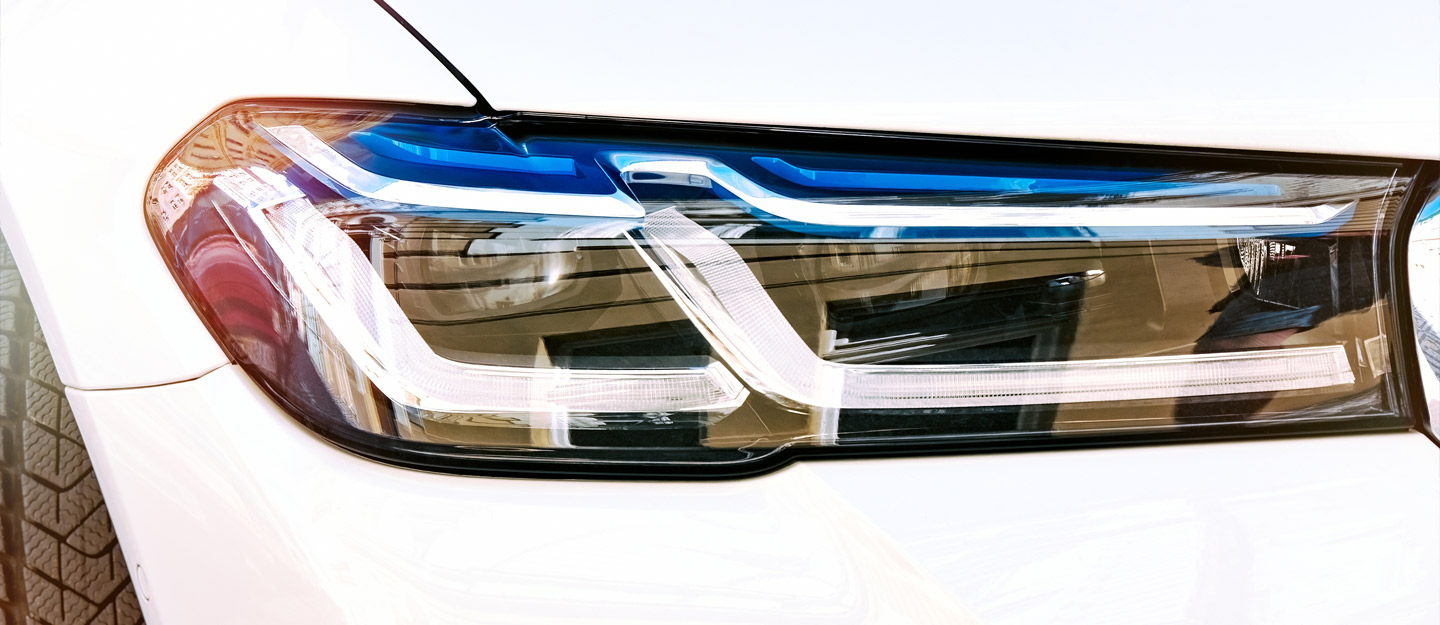
The Adaptive Front-Lighting System (AFS) automatically adjusts the car headlights according to its speed and manoeuvres. This adjustment enhances nighttime visibility on curved roads and slopes. This smart technology illuminates the road ahead, reducing the risk of accidents and improving safety by providing a clearer view of obstacles and pedestrians. AFS uses sensors to detect your car’s movement and adjust the headlights’ direction accordingly.
Let’s talk more about the Adaptive Front-Lighting System AFS and its impact on car safety at night and in foggy conditions:
How Adaptive Front-Lighting System Work
Adaptive Front-Lighting System improves visibility and safety by dynamically adjusting the direction and intensity of headlights. Here’s more information on how AFS works:
Adjustment Mechanisms
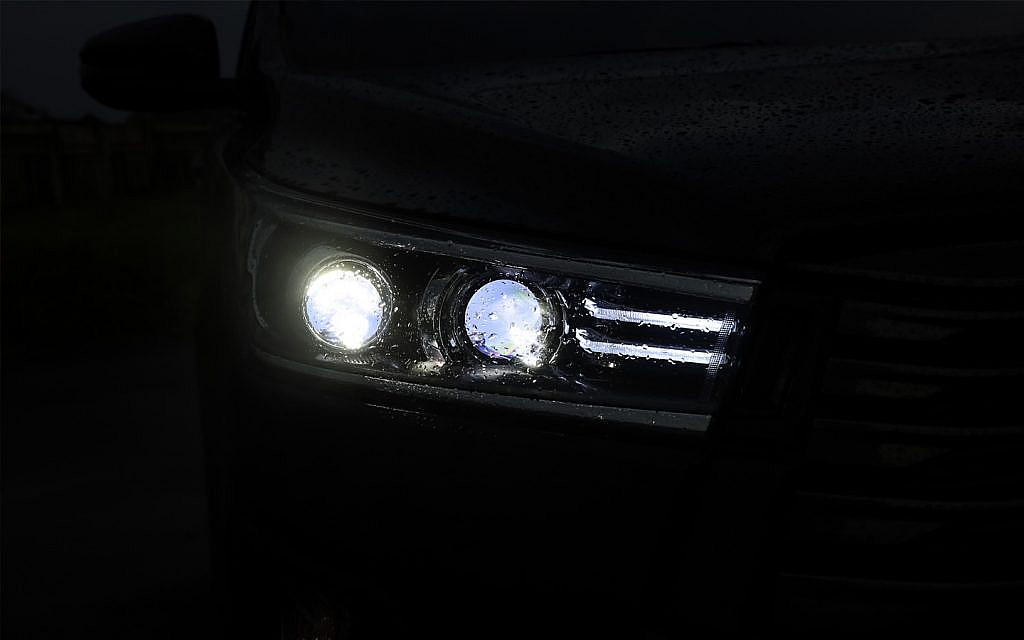
AFS operates through sophisticated mechanisms that allow headlights to turn or adjust their beam patterns per changing driving conditions. With the evolution of car headlights, we now have more safety while driving at night. The main factors influencing these adjustments are:
- Vehicle Speed: AFS activates or adjusts its lighting patterns based on the vehicle’s speed. Higher speeds trigger a wider beam, while lower speeds produce a more focused beam.
- Steering Angle: One of the defining features of AFS is its ability to adjust the headlights in the direction the vehicle is turning. This ensures that the road ahead is adequately illuminated, especially around curves and bends, where traditional static headlights may fall short.
- Road Conditions: AFS systems can adapt to different road surfaces and conditions. They may adjust the beam intensity to compensate for glare from wet or reflective surfaces.
Key AFS Sensors and Their Role
AFS has various sensors continuously monitoring the vehicle’s surroundings and driver inputs. These sensors include:

- Steering Angle Sensor: Detects the angle at which the driver is steering the vehicle, allowing the AFS system to predict the direction of travel and adjust the headlights accordingly.
- Vehicle Speed Sensor: Measures the vehicle speed, helping the AFS system adjust the lighting patterns based on the driving speed. Higher speeds may require a wider beam to enhance visibility farther down the road.
- Light Sensors: Some AFS systems incorporate sensors that adjust the intensity of the headlights based on the presence of oncoming traffic or leading vehicles.
Key Features and Benefits
Understanding the difference between HID and LED headlights for safety is important, especially in how they work collaboratively with AFS. Here are some benefits of AFS:
Better Visibility in Curves and Bends

When comparing projector vs. reflector headlights, projector lights work better with AFS. This is due to the advanced optics and focused light beam of projectors. An Adaptive Front-Lighting System offers advanced features that automatically adjust the direction and intensity of light for better visibility and safety.
AFS ensures that the road ahead is illuminated precisely where the driver needs it most by pivoting the headlights in the direction of the vehicle’s turn.
However, AFS can throw high beams under low-visibility conditions, so you must know UAE high beam headlight rules to avoid any inconvenience.
Improved Safety by Illuminating Obstacles Sooner
AFS systems make driving at night safer by illuminating obstacles, pedestrians and road signs sooner than traditional headlights. AFS helps drivers detect potential hazards earlier by adjusting the beam direction and intensity. Still, you should carefully follow the tips for night driving safety to avoid any potential hazards.
This reduces the risk of accidents, particularly in low-visibility conditions such as nighttime or inclement weather. Therefore, car lights are important in the UAE for these safety reasons.
Reduced Glare
Adaptive headlights can adjust the brightness as per the obstacles ahead. If there’s a car coming up front, the headlights can adjust themselves to not throw any light on the upcoming vehicle. This feature reduces the chances of any collision due to glare and makes nighttime driving safer.
FAQs
When Was AFS Introduced?
AFS Adaptive Front-Lighting System was introduced in the early 2000s in modern vehicles. Therefore, many car manufacturers have since adopted the technology from there and offered the feature in entry-level vehicle models as an option.
Does AFS Make Vehicles Safer?
Yes, AFS considerably increases the visibility at curves, reduces glare and provides a better view of the road in case of a dust storm, heavy rain or fog. However, AFS headlights can malfunction from time to time, so it’s better to know the car headlight maintenance checklist.
Can I Install Aftermarket AFS?
Installing an aftermarket AFS is complex and costly. It also requires professional installation and calibration to be compatible with your vehicle’s electronics. Moreover, considerations include legal regulations, potential warranty and insurance impacts and the system’s overall cost. Factory-installed AFS offers better integration and reliability.
Many popular auto manufacturers introduced the AFS feature in their cars and improvised it with time. However, some manufacturers are now bringing it to the entry-level cars. Each year, the number of cars equipped with AFS is growing due to its useful implementation.
Cutting-edge systems like AFS improve the overall safety and driveability of a car. Explore these new cars for sale in the UAE and pick a vehicle with your desired advanced features.
For more information, keep visiting the dubizzle car blog.
Related Posts