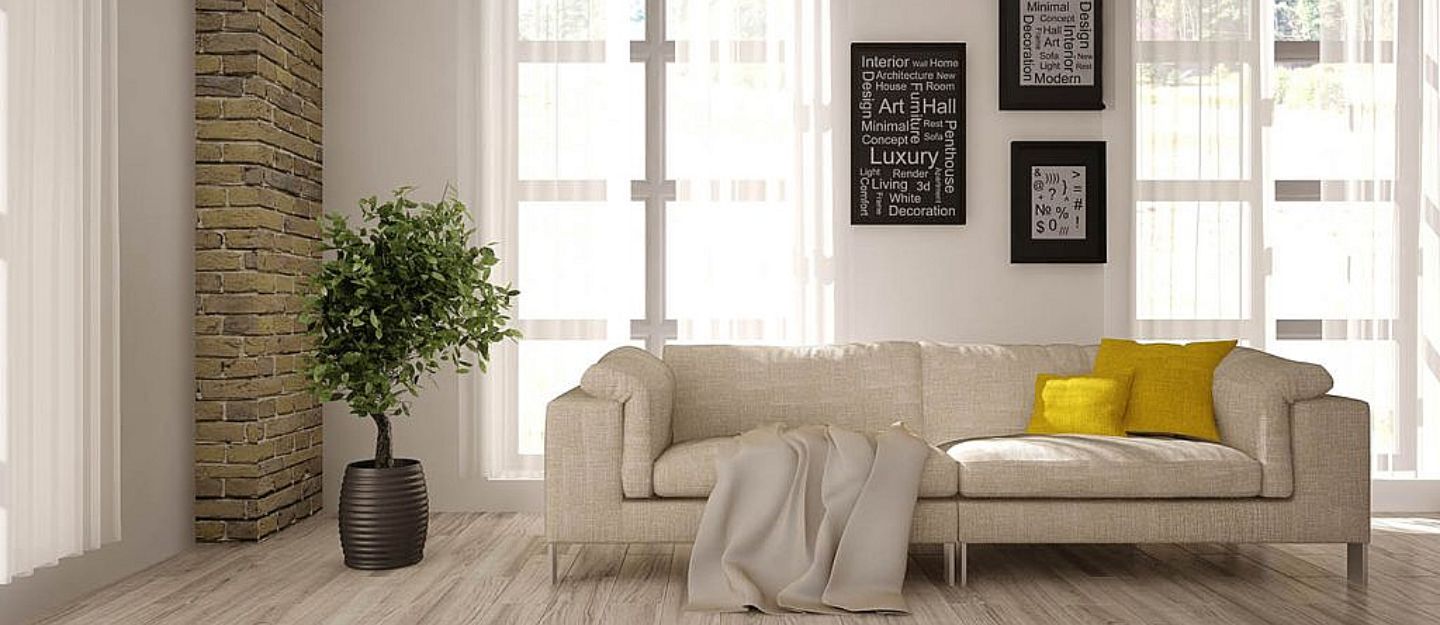
A quiet home creates a peaceful and comfortable environment, allowing residents to relax and focus on daily activities. Simple adjustments can help manage sounds from traffic or nearby neighbours, improving the overall atmosphere of the space. By understanding how sound travels and using effective techniques, it is possible to soundproof a room from noise and enjoy a calm environment.
Room Soundproofing Solutions to Reduce Noise
Effective soundproofing involves addressing multiple areas of a room using a combination of absorption, insulation and sealing methods to create a quieter and more comfortable space.
Windows

Windows are one of the main points where external sound can enter a room. Techniques for soundproofing windows from traffic noise include:
- Window seals: Check that all seals are intact and replace any that are worn to prevent sound from passing through gaps.
- Acoustic caulk: Fill small gaps around the window frame with acoustic caulk to block sound leakage.
- Window film: Specialist films applied to glass can dampen sound while maintaining natural light and visibility.
- Window inserts: Custom-fit inserts create a secondary glazing effect, adding another barrier against noise.
- Shutters and heavy curtains: Solid shutters and dense curtains absorb and block sound effectively.
- Noise reduction windows: Specialist glass can reduce external noise by up to 40dB, particularly in busy areas.
A layered approach is often most effective. Combining outdoor plants, noise-reducing windows and indoor treatments such as curtains or shutters provides a strong barrier, helping to soundproof a room from noise and create a calm interior.
Implementing these measures help with drafty window solutions. By creating an airtight seal, you not only block unwanted external noise but also prevent air leakage, maintaining a consistent indoor temperature and improving the overall energy efficiency of your home.

Walls
Walls are key barriers against sound. Enhancing wall performance is crucial for soundproofing walls from outside noise.
- Cavity wall insulation: Filling internal cavities with insulation absorbs sound.
- Stud walls: Adding a stud wall with insulation creates a gap that reduces sound transmission.
- Soundproof panels: Acoustic boards or specialist panels absorb and diffuse sound within a room.
Applying a combination of these methods can greatly improve the overall sound environment. Large furniture or wall-mounted shelving can provide additional absorption and help dampen sound further.
Ceilings
Ceilings can transmit sound from floors above or external sources. Enhancements help to reduce vibrations and echoes.
- Acoustic panels: Installing panels directly on the ceiling absorbs sound waves.
- Dropped ceilings: Creating a ceiling cavity with insulation reduces sound transmission.
- Ceiling insulation: Adding dense materials above existing ceilings limits noise from above.
These techniques can be combined to provide both sound absorption and soundproofing for a more tranquil space.
Floors

Floors can carry impact noise and transmit sound throughout a building.
- Rugs and carpet underlays: Thick rugs or underlays absorb floor vibrations and reduce echo.
- Suspended floors: Installing a floor with a void filled with insulation limits sound transfer.
- Floor pads: Felt, cork or memory foam pads under furniture or in key areas help dampen vibrations.
Adding soft floor coverings and strategically placing furniture improves comfort and reduces sound transmission.
Doors and Gaps
Doors and small openings can let sound pass through easily.
- Solid-core doors: Replacing hollow doors with solid-core versions provides a stronger barrier.
- Draft stoppers: Placing stoppers at door bases prevents sound from leaking through gaps.
- Acoustic caulk: Seal gaps around door frames, electrical outlets and other openings.
Attention to doors and gaps complements other soundproofing measures for a fully integrated approach.
Furniture and Furnishings
Furniture and soft furnishings can absorb sound and reduce echo within a room.
- Bookshelves and wardrobes: Dense furniture against walls helps block and absorb sound.
- Sofas, chairs and wall hangings: Soft materials reduce reverberation and improve acoustics.
- Thick curtains or blankets: Heavy fabrics add an extra layer of sound absorption.
- Plants: Large leafy plants or shrubs contribute to sound dampening and enhance aesthetics.
A combination of furnishings, soft materials and plants in your living space adds both function and style while improving its acoustic quality.
FAQs
What is the best way to block neighbour noise in an apartment?
The best way to block neighbour noise in an apartment is to use dense furniture, acoustic panels, rugs and sealed windows and doors.
Do soundproof curtains really work?
Soundproof curtains do work to reduce echo and dampen noise but are most effective when combined with other soundproofing methods.
How can windows be soundproofed against road noise?
Windows can be soundproofed against road noise by installing noise-reducing windows, window inserts, acoustic caulk and heavy curtains.
Soundproofing a room involves addressing windows, walls, ceilings, floors, doors, gaps and furnishings. Using a combination of absorption, insulation and sealing techniques creates a calm and comfortable space. Even simple measures, such as rugs, curtains, furniture placement and plants, can make a significant difference in enhancing tranquillity and improving focus and relaxation.
A quiet home environment is a hallmark of high-quality living. For those seeking a serene atmosphere, properties for sale in the UAE provide a diverse selection of homes where tranquillity is an essential part of the living experience. These spaces allow for a seamless transition into a life of comfort and improved focus.
Keep reading dubizzle’s property blog to learn more about UAE homes and lifestyle.