Kitchen is the most used area of the home and cabinets are really important for kitchens. From cutting to cooking – a lot happens on these surfaces. That is why cleaning kitchen cabinets can be difficult, but with the right approach you can easily remove the dust, grime and food splatters. We have compiled a list of useful tips for cleaning kitchen cabinets to help you through the process.
Tips For Cleaning Kitchen Cabinets
Cleaning cabinets is necessary for keeping your kitchen’s hygiene and sanitary. Kitchen cabinets are exposed to food and grease almost daily. This can attract bacteria and other harmful germs. Cleaning kitchen cabinets regularly helps prevent the spread of germs and keep your kitchen clean.
Moreover, cleaning your kitchen cabinets also helps extend its life. With time, grime, dirt, grease builds up on the cabinets and damages the finish. That said, regular cleaning of the cabinets helps prevent such damage and even extends the life of your kitchen cabinet.
Steps for Cleaning Kitchen Cabinets

Following are some useful tips for cleaning kitchen cabinets effectively.
Gather your supplies
Before starting the cleaning process, gather all the necessary cleaning supplies, including a microfiber cloth, kitchen cleaner or mild dish soap, warm water, vinegar, baking soda, and a bucket.
Empty the cabinets
Remove all the items on the cabinets, this gives a clear workspace and allows for a thorough cleaning of the cabinet’s interior and exterior.

Dust the cabinets
Remove any dust, dirt, food crumbs from the cabinet’s surfaces with a dry microfiber cloth or a soft brush. Pay attention to the crevices, corners and edges.
Choose the right cleaner
Choose an appropriate cleaner depending on the material of your cabinets. For painted cabinets, cleaning can be done using a mild dish soap mixed with warm water. For wooden cabinets, a mixture of vinegar and water or a commercial wood cleaner is sufficient. Moreover, test the cleaning mixture on a small area first to ensure it doesn’t cause damage.
Wipe down the cabinets
Dip a microfiber cloth or sponge into your chosen cleaning solution, wring out any excess liquid and wipe down the interior and exterior surfaces of the cabinets. Pay attention to the stains, spills and greasy areas.
Clean the hardware
Cleaning the cabinet hardware including the handles and knobs is also important. Remove them if possible and clean them separately using the appropriate method for their material. If they cannot be removed, dip a cloth or sponge in the mixture and clean them.
Dry the cabinets
Remove any remaining moisture from the cabinets using a dry cloth. Proper drying helps prevent damage and ensures a streak-free finish.
Organise and declutter
Declutter and organise your items, before putting everything back into the cabinets. Discard expired or unused items and arrange the remaining ones in a logical and convenient manner. Here is how to organise the kitchen counter.
Maintain regular cleaning
Regular cleaning is necessary to maintain the kitchen cabinet. Keep the kitchen essentials at the cabinet counter’s side, then wipe down the cabinets periodically to prevent dirt and grime buildup.
How to Remove Marks When Cleaning Kitchen Cabinets
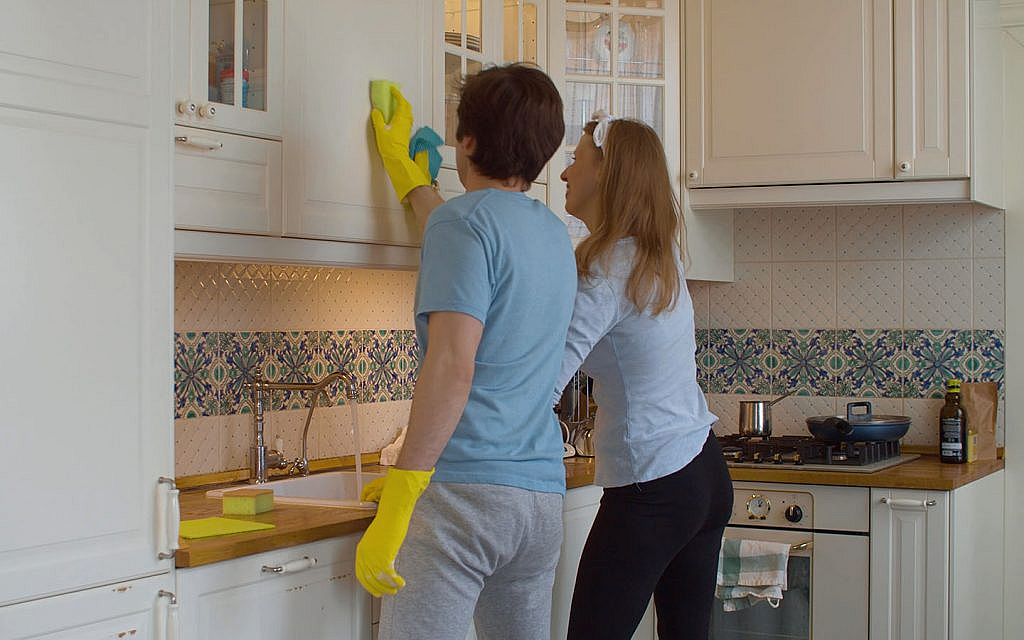
Cabinets are home to different ingredients and items are used almost daily. Let’s go through the most common types of kitchen cabinet stains and the process to remove them.
Fingerprints
The oil on your fingerprints when cooking can leave marks on the cabinet doors and hardware. Vinegar is essential for cleaning the fingerprints on kitchen cabinets. Make a 50-50 solution of water and vinegar, dampen a cloth in it and apply it on the fingerprints before giving the cabinet a cleaning buff with a polishing cloth.
Grease
To clean sticky grease off kitchen cabinets use diluted vinegar. Grease stains are somewhat larger than fingerprints, repeat the process until the grease is fully off the cabinets.
Food splatter
A wrong squirt of mayonnaise or ketchup can make the kitchen counter dirty. Use a damp cloth to wipe the food messes and then use baking soda for cleaning kitchen cabinets. This is necessary, if the cabinets are made of wood. After applying baking soda, wait for a few minutes and then wipe away. Lastly, use a clean cloth to polish the clean cabinet area.
Water stains
Water stains on cabinets is a common problem. To prevent water spots, use distilled water instead of tap water for cleaning the kitchen cabinets.
Scuffs
Use a soft eraser to remove scuffs caused by tables, chairs or shoes. Rub the eraser gently along the mark, then use a clean cloth to wipe away the residue.
How to Clean Painted Kitchen Cabinets
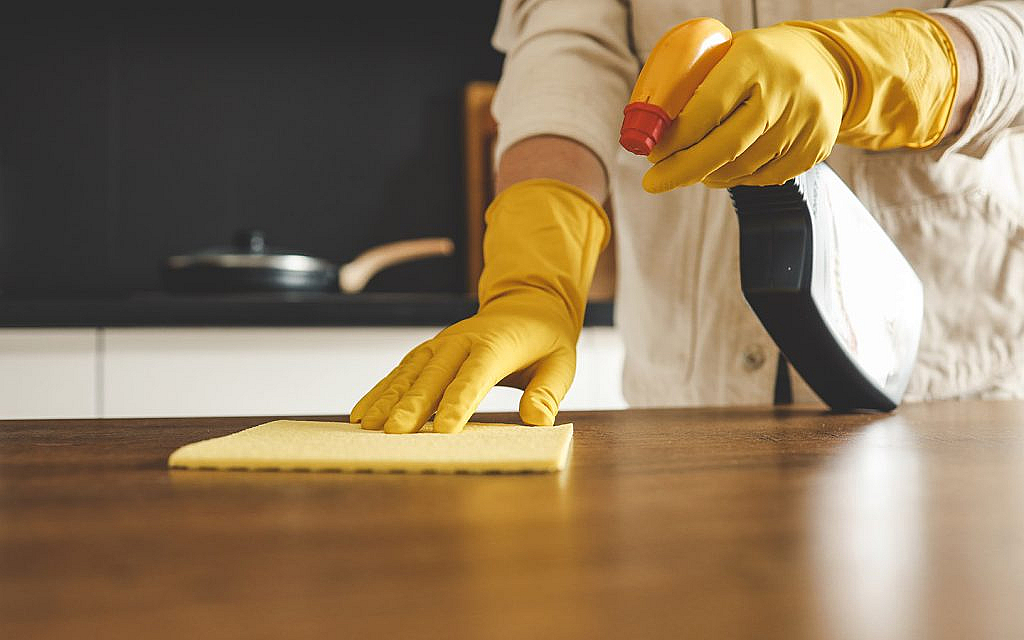
Modern kitchen designs usually have painted cabinets. They add more colour and warmth to the overall kitchen décor. That said, painted cabinets require some maintenance to look their best. These tips are essential for cleaning kitchen cabinets that are painted.
- Mix one part water with two parts baking soda. Apply the paste on the cabinet’s stain, let it rest for some minutes before wiping it clean. Use a clean cloth to buff any remaining residue with a clean cloth.
- Dampen a cloth in diluted ammonia to clean sticky grease off kitchen cabinets. Wipe the cabinet gently until the stain is removed or visibly less noticeable.
How to Clean Wood Kitchen Cabinets

Wood cabinets come in different finishes, styles and seals. To be safe, always use mild cleaners when cleaning wood kitchen cabinets. Follow these tips to clean wood kitchen cabinets:
- To clean wood kitchen cabinets use oil soap. This non-abrasive solution adds a shine and makes your wood kitchen cabinet look new without any damage.
- When cleaning wood kitchen cabinets, always use a damp and not soaked cloth. A lot of liquid saturation will damage the wood.
- To buff and polish the wood cabinet use a dry microfiber cloth.
- The cabinets in high-moisture parts of the kitchen like the ones directly above the stove will need more care. Consider an extra coat of sealant for these cabinets as they are exposed to steam and condensation on a regular basis
How to Clean Laminate Kitchen Cabinets
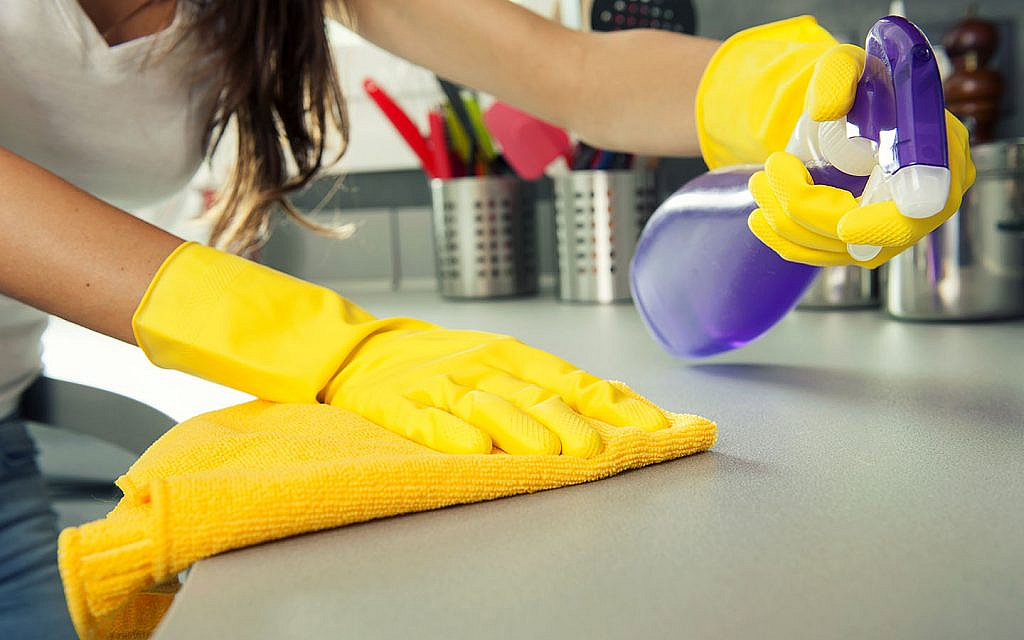
As for cleaning laminate cabinets, the material responds well to most cleaners and needs little maintenance beyond weekly cleaning. Follow these tips to clean laminate kitchen cabinets:
- Use an all-purpose cleaning solution or a vinegar mixture to wipe the cabinets. Once done, dry with a clean cloth thoroughly.
- When cleaning painted cabinets, remove the stains using baking soda and water paste. Let it set in the stain for a few minutes before wiping the mixture clean.
- Try to avoid the use of abrasive cleaning pads, they could scratch the cabinet’s surface.
- For scuffs on lower cabinets, use a soft eraser to remove the marks.
How to Clean Glass Kitchen Cabinets
Glass cabinets are usually mixed with another material, like laminate or wood to make a paned door. It is easy to clean the glass part but choose an agent that doesn’t harm the other cabinet material. Follow these tips to clean glass kitchen cabinets:
- Remove marks and fingerprints from the glass panes with a glass cleaner and a polishing cloth.
- After removing marks from the front, open the cabinet door to clean from the inside. Kitchen cleaning tips include the cleaning of cabinets from the inside on a regular basis.
- Avoid using oil-based cleaners on the adjacent cabinet material. They can leave grease and residue on the glass pane that can be difficult to remove.
These are some useful tips to clean kitchen counters. Moreover, here are a few useful kitchen transformation themes for those looking to change their kitchen’s look. When renting an apartment in the UAE, make sure to check the kitchen cabinets and clean them accordingly.
Stay tuned to dubizzle’s property blog for more home cleaning solutions.