
In the UAE’s real estate market, off-plan developments are no longer just about square footage, finishes, or attractive payment plans. Today, developers are reimagining communities around a more human concept: third places. These shared social spaces, separate from home (the first place) and work (the second place), are becoming central to the appeal and long-term value of off-plan projects across the region.
Third-Place Concept in the UAE Real Estate – An Overview
The concept of ‘third places’ was popularised by sociologist Ray Oldenburg, who described them as informal public gathering spaces that foster connection and community. Cafes, parks, libraries, community courtyards, co-working lounges and even shaded walkways can function as third places.
In the UAE, where many residents are expatriates and social networks are constantly evolving, third places play an especially important role. The third places in the UAE’s off-plan developments provide opportunities for casual interaction, cultural exchange and a sense of belonging, elements that are increasingly valued in residential communities.
Why Third Places Matter in Off-Plan Projects
Off-plan properties are sold based on vision and promise. Buyers invest in what a community will become, not just what it is today. Third places help developers communicate a compelling lifestyle narrative rather than simply listing amenities.
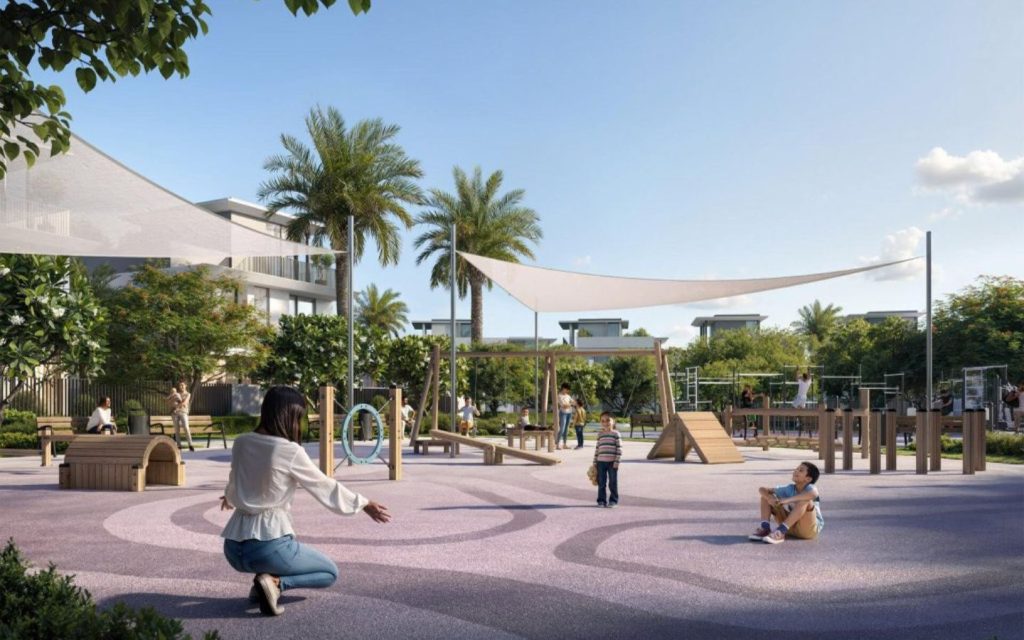
Instead of marketing only gyms and swimming pools, developers now highlight these lifestyle amenities in UAE off-plan properties:
- Community parks and landscaped courtyards
- Waterfront promenades
- Retail boulevards with cafés and restaurants
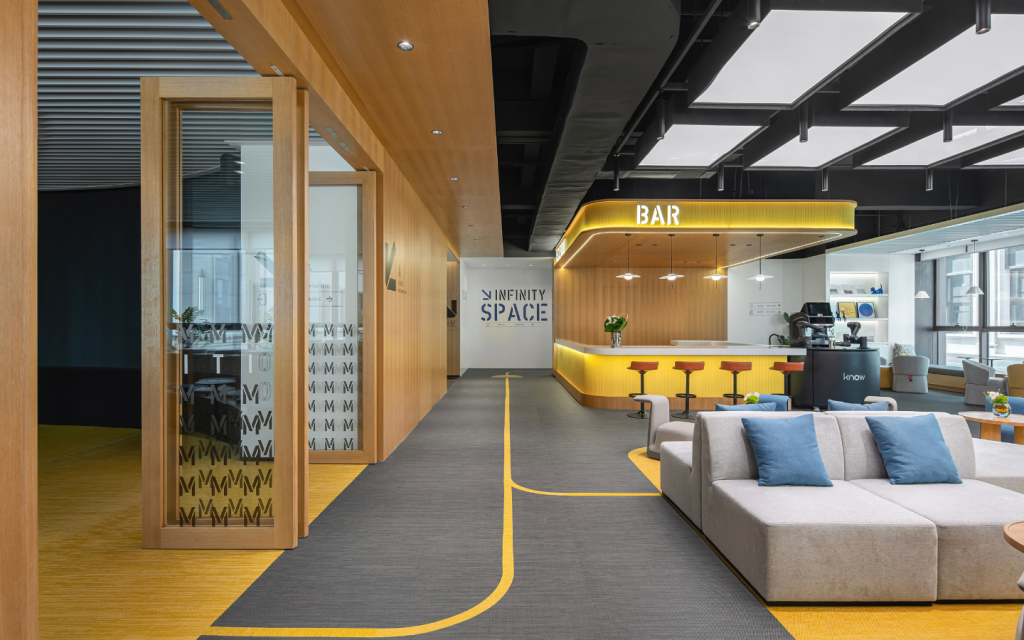
- Shared workspaces and social lounges
- Cultural and recreational hubs
Shaping Modern Master Communities
Large-scale master developments in the UAE increasingly integrate third places into their urban design. For example, projects in areas such as Dubai and Abu Dhabi often prioritise pedestrian-friendly layouts, shaded pathways and mixed-use zones that encourage spontaneous social interaction.

In waterfront communities like Dubai Creek Harbour and Dubai Marina, public promenades, event spaces and leisure attractions serve as vibrant third places. These spaces blur the line between private development and public realm, enhancing the lifestyle proposition for buyers.
Similarly, cultural destinations such as Saadiyat Island and Yas Island demonstrate how museums, beaches and art-focused venues can anchor residential developments. These features make them more than just housing clusters.
Boosting Property Value and Demand
Third places contribute directly to the long-term desirability of a development. Communities that offer walkable retail, dining and social infrastructure tend to command stronger resale value and rental demand.
From an investment perspective, off-plan properties in the UAE located near active public spaces often:
- Experience higher occupancy rates
- Attract longer-term tenants
- Maintain stronger capital appreciation
- Appeal to families and young professionals alike
In a competitive off-plan market, where multiple projects may offer similar layouts and pricing, the presence of well-designed third places can become a key differentiator.
Supporting Work-Life Integration
The rise of remote and hybrid work models has reshaped how residents use their communities. Home is no longer purely private and work is no longer confined to office towers. As a result, third places such as co-working lounges, community cafés and landscaped seating areas are becoming essential. There has also been a rise of wellness concept in off-plan homes in Dubai and other emirates that cater to such spaces.
Rather than commuting long distances, residents can step into shared spaces within their development to work, hold meetings or network. This integration of residential and semi-professional environments enhances convenience and fosters organic connections.
Enhancing Social Cohesion in a Diverse Population
The UAE is home to over 200 nationalities, making it one of the most culturally diverse countries in the world. Third places serve as neutral, inclusive environments where people from different backgrounds can interact naturally.
Community events in central plazas, weekend markets, outdoor movie nights and fitness classes in shared parks all contribute to building social capital. For families, safe communal areas allow children to play while parents connect with neighbours. For young professionals, cafés and shared lounges create informal networking opportunities. In off-plan developments, this promise of belonging can be just as important as architectural design.
Encouraging Sustainable Urban Living
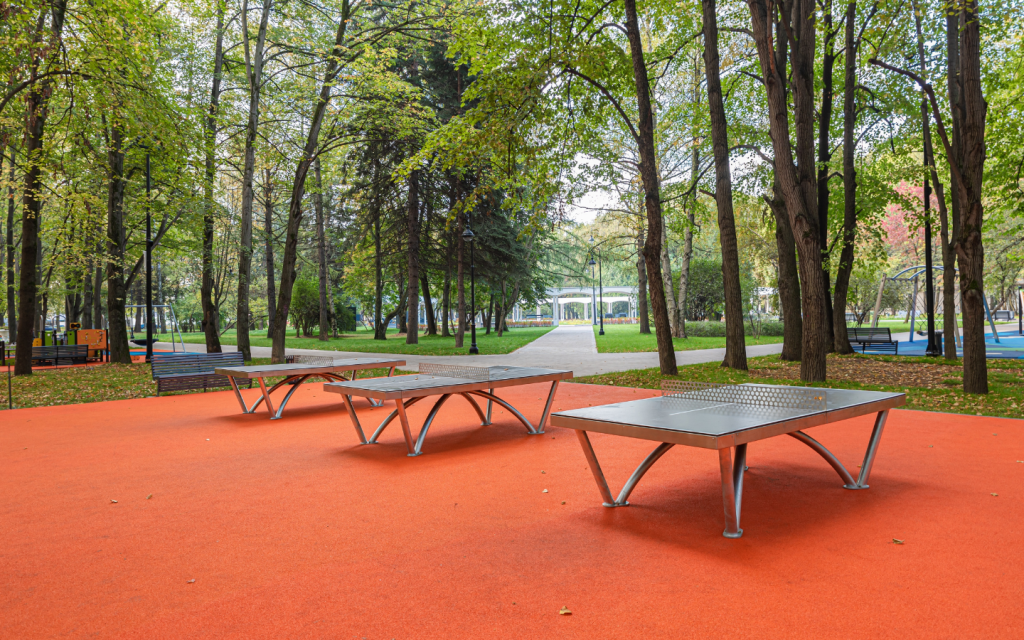
Third places also support broader sustainability goals. By designing developments around walkable public spaces, developers reduce reliance on cars. Mixed-use layouts in such sustainable off-plan projects in Dubai and other emirates integrate retail and leisure within residential zones, decreasing the need for long commutes.
Green corridors, cycling tracks and shaded pedestrian streets promote healthier lifestyles and environmental awareness. In line with the UAE’s off-plan eco-friendly trends, modern master plans increasingly emphasise community-centric design over isolated high-rise living.
FAQs
Are third places sustainable?
Yes, many modern off-plan developments in the UAE promote walkability and green spaces.
What are third places in the UAE’s off-plan developments?
Third places are shared social spaces like parks, cafés, plazas and lounges outside home and work.
Are third places only leisure-focused?
No, the role of third places in off-plan projects goes beyond leisure as many also support work, networking and cultural activities.
The role of third places in the UAE’s off-plan developments extends far beyond aesthetics. They shape identity, foster connection and enhance both financial and lifestyle returns.
Furthermore, those looking to invest in such developments can check out these new residential projects in the UAE.
To learn more about off-plan developments in the UAE, keep reading dubizzle’s real estate blog.