
Tenancy contracts usually include a term period, but it is possible for a tenant to end the contract earlier than the agreed date. While it is entirely legal, the process must follow Dubai tenancy law to avoid complications. Learn about the tenant’s early termination of lease, what the contract allows and how to minimise penalties when breaking a tenancy contract in Dubai.
EARLY TERMINATION OF A TENANCY AGREEMENT IN DUBAI
Tenants can end a lease early, but it depends on what their rental contract states. Dubai tenancy laws do not grant an automatic right to walk away mid-term, which is why the terms of your agreement matter.
Legal Framework to Understand

Dubai’s rental laws are regulated by the Real Estate Regulatory Agency (RERA), which oversees tenancy procedures, Ejari registration and rental dispute guidelines.
- Law 26 of 2007 treats the tenancy contract as a binding agreement until the stated end date. It does not mention early termination.
- Law 33 of 2008 outlines contract renewals and amendments, including the 90-day notice period, but it does not grant a statutory right to early exit.
- Early termination is permitted only when the contract includes a break clause or when both parties mutually agree to end the lease. In many cases, this comes down to negotiation — for example, the tenant helping to find a replacement acceptable to the landlord.
- RERA does not define any fixed penalties for early termination. Any deduction or fee depends entirely on the contract terms or a mutually agreed settlement.
- Tenants are advised to request a break clause when signing a new contract to have more flexibility if their plans change.
Reasons Tenants Commonly Request Early Exit
While not legally binding, the following reasons often support negotiation:
- Sudden job loss or salary reduction
- Relocation to another emirate or country
- Change in family needs
- Health or personal circumstances
- Need for a different type of accommodation
These reasons can help persuade the landlord, even though they don’t guarantee approval.

When There Is No Early Exit Clause
If your contract does not include an early termination clause, the landlord may request compensation. For example:
- Paying the remaining rent for the unexpired term, or
- Paying a fixed penalty (often between one to three months’ rent)
To reduce costs when ending tenancy early in Dubai, tenants often:
- Negotiate a lower penalty
- Offer a replacement tenant
- Request a mutual termination agreement to avoid disputes
If no agreement is reached, the landlord can insist on the payment outlined in the original rental contract.
Steps to Take Before Ending Tenancy Early
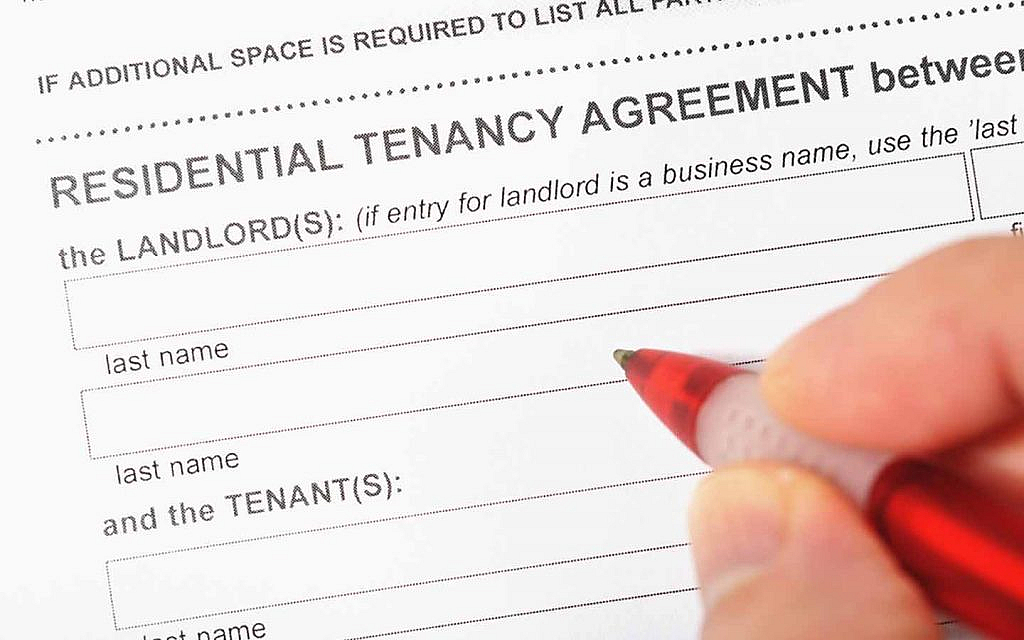
To avoid disputes and misunderstandings:
- Review your contract: Check for an exit clause and penalty terms.
- Communicate early: Inform your landlord as soon as your situation changes.
- Share a reasonable explanation: It strengthens your negotiation position.
- Suggest a replacement tenant: Many landlords accept early termination if a new tenant is ready.
- Agree on compensation in writing: Keep all communication documented.
- Terminate Ejari correctly: Once both parties agree to end the tenancy, a final settlement or early termination confirmation enables the Ejari cancellation. This ensures no future rental liability.
What Tenants Should Include in an Early Termination Notice
Your written request should clearly mention:
- Your intention to end the lease early
- Proposed move-out date
- Any compensation you’re prepared to pay
- If applicable, a replacement tenant’s details
- A request for written confirmation
Can a Landlord End a Tenancy Contract Before Time?

A landlord can only terminate mid-term in specific cases listed under Dubai tenancy law, such as:
- Non-payment of rent within 30 days of written notice
- Unauthorised subleasing
- Illegal activities on the property
- Property damage or unsafe alterations
- Using the property for purposes not permitted in the contract
- Failure to comply with tenancy terms after written notification
- The property is at risk of collapse
- For commercial units: if the tenant closes the business for 30 or 90 consecutive days without a valid reason
Note: Demolition or redevelopment is not a legal reason for mid-term eviction. It only applies at the time of non-renewal, and the landlord must give 12 months’ notice.
This protects you in case the matter reaches the Rent Dispute Settlement Centre (RDSC).
FAQs
Can a tenant end a tenancy contract early without paying a penalty?
Only if the contract includes an early exit clause allowing it, or if the landlord agrees to waive the penalty, usually after finding a replacement tenant.
Can a landlord terminate a lease early?
A landlord can only terminate a lease early in specific cases allowed by Dubai tenancy law, such as non-payment of rent, unauthorised subleasing, illegal activities or serious property damage. Demolition or redevelopment does not allow mid-term eviction and only applies when the lease reaches its renewal stage. In all cases, the landlord must issue formal written notice through the Notary Public or registered mail before taking action.
What can a tenant do if the landlord forces them to evict before the contract ends, without a valid reason?
If a landlord is unlawfully evicting a tenant in Dubai, the tenant should try and talk to the landlord and negotiate. If the landlord doesn’t agree, the tenant has the right to file a complaint at the Dubai Rent Dispute Settlement Centre (RDSC).
What documents are needed from the tenant to file a complaint against their landlord?
To file a rental dispute case in Dubai, tenants must keep all necessary documents pertaining to their tenancy contract. Other documents include Ejari Dubai along with the latest DEWA bill, title deed copy, tenant’s passport and visa copy, Emirates ID copy and any other supporting documents before filing a complaint with the RDSC.
What can tenants do if they want to terminate their tenancy early or shorten the lease period due to financial losses?
If a tenant is not able to pay rent because of monetary hardships, they can approach the landlord and explain their situation in hopes of reaching a mutual agreement. Tenants can provide supporting documents such as a copy of the termination letter or pay cuts issued by the employer, this will help validate their situation. However, if a landlord doesn’t agree or doesn’t want to negotiate, the tenant can contact the RDSC to solve the rental dispute on 800-4488 and ask for further advice.
Ending tenancy early in Dubai is possible, but it depends on the tenancy contract and the landlord’s cooperation. Always check for an early exit clause before signing a new lease and negotiate terms upfront if you foresee a possibility of early departure. With clear communication and proper documentation, most cases can be resolved smoothly. Furthermore, reading the details about the RERA law in Dubai will also help in this regard.
Understanding your rights and obligations makes ending tenancy early in Dubai much easier — and once you’re ready for your next move, you can explore the latest villas for rent in Dubai. Those interested in flats, can go through these apartments for rent in Dubai.
Stay tuned for more on UAE property laws and regulations.