Emergencies occur without warning, making preparation essential for every household. Identifying the safest places in your home during emergencies is a key part of staying protected. From natural disasters to sudden household hazards, knowing where to take shelter can significantly reduce risk and prevent injury.
Understanding Safe Zones In Your Home
A safe spot is not a single fixed location. It varies depending on the type of emergency. However, certain characteristics remain consistent:
- Structurally strong areas
- Spaces away from glass, heavy furniture or exposed wiring
- Easy access to exits or communication devices
Keeping these principles in mind supports better decision-making during unexpected situations and reinforces indoor safety tips for families. Conducting a 5-minute house safety check helps you quickly identify these safe spots and ensure your home is prepared for emergencies.
Safest Spots During Natural Disasters
Natural disasters can strike suddenly and with little warning, knowing where to take shelter in your home is essential. Identifying these spots in advance helps you respond calmly and reduce the risk of injury.
Earthquake
During an earthquake, the greatest risks come from falling objects and collapsing structures.
Safest spot: Under a sturdy table or desk
- Stay away from windows, mirrors and tall furniture
- Follow the Drop, Cover, Hold On method
Identifying safe places in the home during earthquake situations ahead of time can reduce panic and injury.
Storm or Tornado
High winds and flying debris make exterior areas dangerous.

Safest spot: Basement if available
- Alternatively, choose an interior room without windows such as a bathroom or closet
- Stay on the lowest level of the house
The goal is to put as many walls as possible between you and the outside.
Flooding
Floodwater can rise quickly and may carry electrical risks.
Safest spot: Higher floors
- Avoid basements and ground-level rooms
- Stay clear of electrical outlets and appliances
Never move into enclosed attic spaces unless there is a clear exit.
Safest Spots During Household Emergencies
Household emergencies can happen at any time, from fires to power outages or gas leaks. Recognising the safest areas in your home ensures that you and your family can act quickly and stay protected.
Fire
Fires can move quickly, producing heat, flames and smoke, but knowing how to respond keeps you safe.
Safest spot: Outside the house
- Use the nearest exit and avoid lifts
- Stay low to avoid smoke inhalation
Being familiar with the safe place during a house fire scenario helps you act confidently. Practising an escape plan and knowing multiple exit routes guarantees a smooth and safe evacuation for everyone. Following home fire prevention tips can further protect your family and keep your home secure.
Gas Leak
Gas leaks can be dangerous, posing risks of explosions and harmful exposure. Immediately ventilate the area by opening windows and doors and avoid using electrical switches.
Safest spot: Outdoors in fresh air
- Do not switch electrical appliances on or off
- Leave immediately and seek professional help
Power Outage
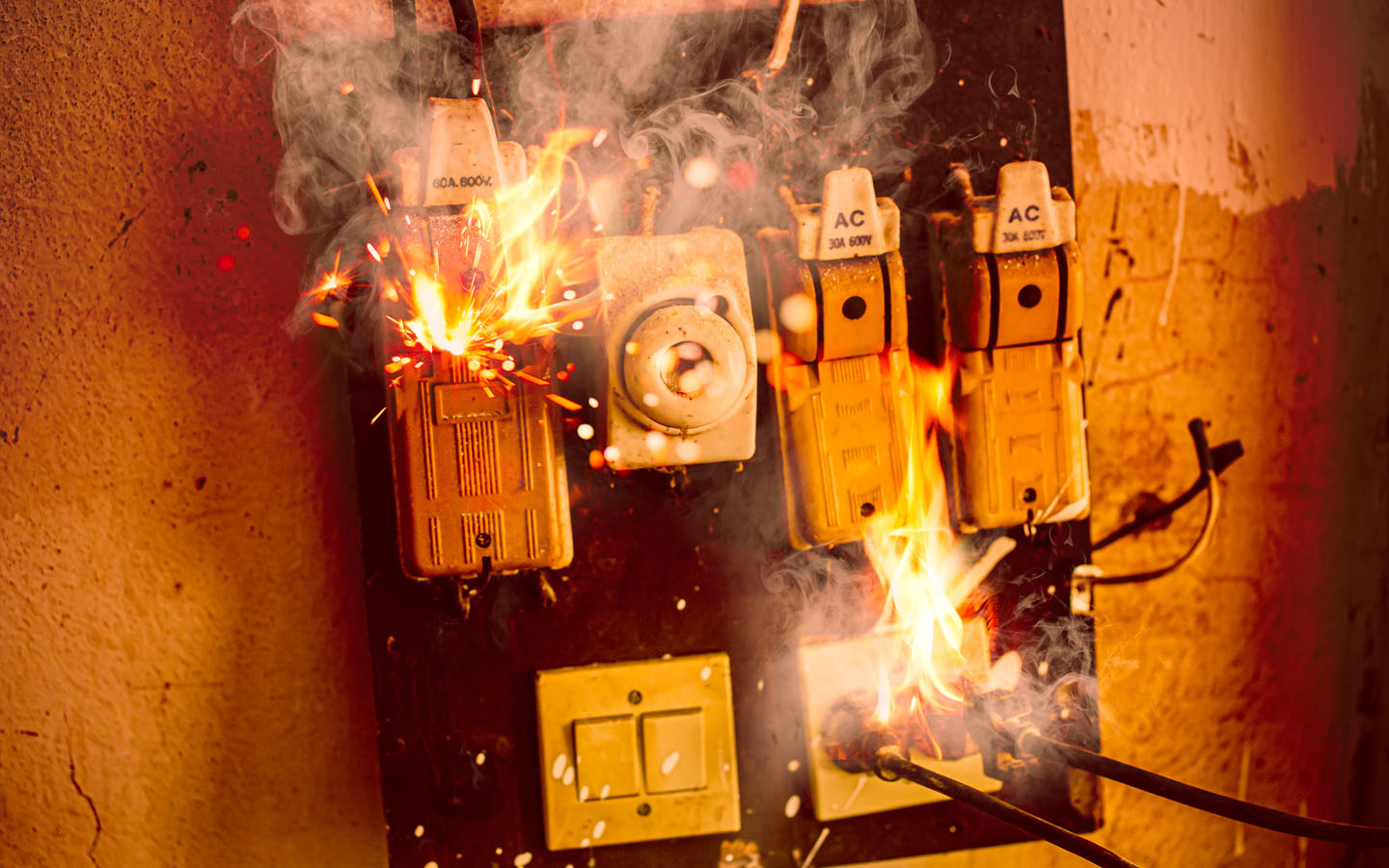
Power outages are usually minor disruptions, but they can still create hazards. Staying vigilant and taking precautionary measures guarantees the safety and well-being of all household members.
Safest spot: A central, clutter-free room
- Use flashlights instead of candles where possible
- Avoid navigating stairs in the dark
Maintaining clear pathways is one of the simplest yet most effective home safety tips during emergencies.
Structural Damage
Damage from wear, accidents or disasters can compromise building safety. Regular inspections and timely home maintenance can help identify risks before they become serious hazards.
Safest spot: Outside, away from the structure
- If exit is not possible, stay near load-bearing walls
- Avoid visibly damaged areas
Immediate evacuation is always the safest option when structural integrity is uncertain.
Strengthening Household Preparedness
Preparation turns uncertainty into action. Consider these essential Indoor safety tips for families:
- Keep emergency numbers easily accessible
- Maintain a basic emergency kit with water, first aid supplies and a torch
- Conduct regular safety drills with household members
- Ensure all exits remain unobstructed
FAQs
Where is the safest place in your home during an emergency?
The safest place depends on the situation but is typically a structurally secure, interior area away from windows with easy access to an exit.
How can you prepare your home for emergencies?
You can prepare by identifying safe zones, keeping an emergency kit, securing heavy items and ensuring clear evacuation routes.
How do you create a home emergency plan?
Create a plan by assigning safe spots, setting exit routes, sharing emergency contacts and practising drills with all household members.
Ensuring safety within the home requires awareness, preparation and the ability to respond appropriately to different types of emergencies. Since each situation presents unique risks, identifying suitable safe areas in advance can help minimise harm and improve overall readiness.
For those seeking homes designed with safety, comfort and resilience in mind, here are some properties for sale in the UAE that offer well-planned layouts and secure living environments.
Keep reading dubizzle’s property blog to gain valuable insights into the UAE real estate scene and stay informed about market trends.
![Every home has a story. Every story has a next step.
From your first key to the place you’ve always dreamed of, dubizzle Property is there for every move along the way.
Find your next moment with dubizzle Property .
لكل بيت حكاية، ولكل حكاية خطوة جديدة.
من البدايات الأولى إلى اللحظات التي تحلم بها، دوبيزل للعقارات تساعدك في العثور على المكان الذي يناسب كل مرحلة من حياتك.
اعثر على مكانك القادم مع دوبيزل للعقارات.
[dubai property, dubai real estate, dubai apartments, finding a home in dubai, dream home dubai, property in dubai, uae real estate, dubizzle property, dubai homes, luxury properties dubai]](https://www.dubizzle.com/blog/property/wp-content/plugins/instagram-feed/img/placeholder.png)