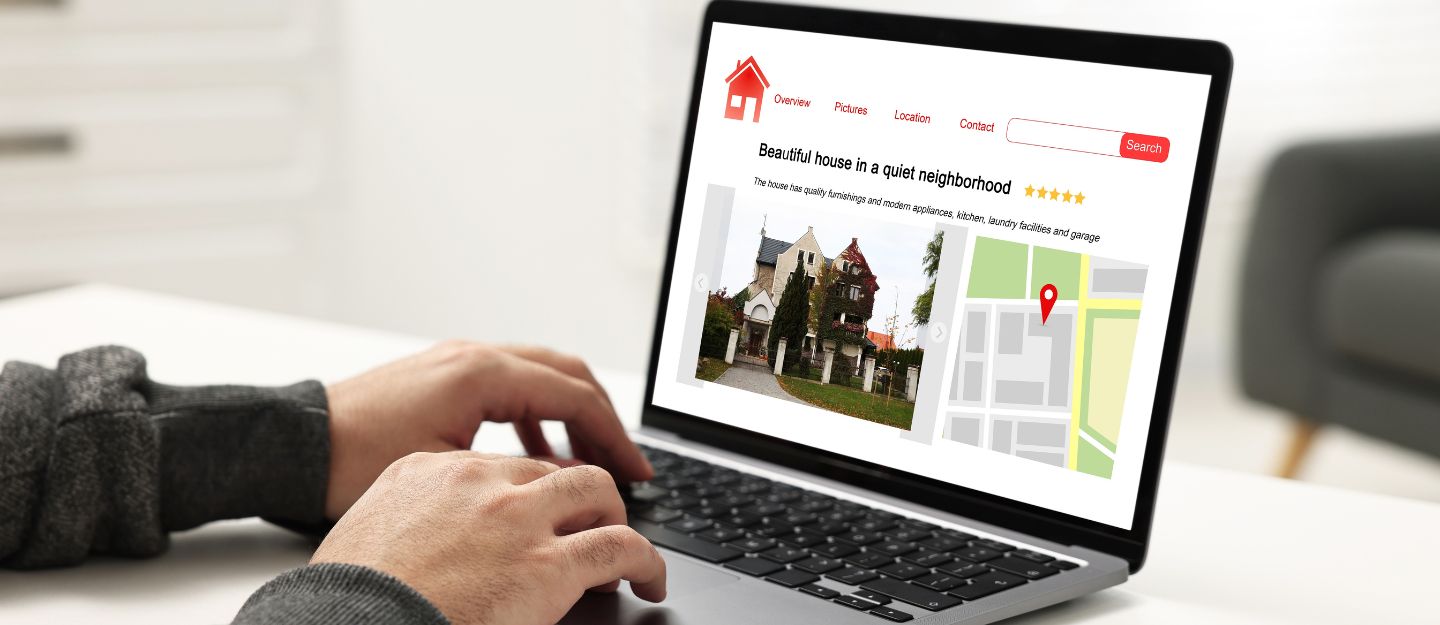
A real estate website is often the first point of contact between an agency and potential clients. The quality of that first impression can determine whether a visitor explores further or leaves in search of a better experience. Real estate website design best practices focus on more than just visually appealing elements. They blend aesthetics, usability and functionality to engage visitors, showcase listings and drive action. A well-executed design communicates professionalism and ensures that property information is presented clearly and accessibly.
Property Website Design Tips
Designing an effective property website requires a clear understanding of the target audience and their browsing habits. A well-planned site should work hand-in-hand with an effective real estate marketing plan, ensuring that the online presence supports both brand visibility and lead generation goals. The key features of a successful property website are as follows:
Clean Layout
A clutter-free design helps visitors focus on what matters most: the properties. Creating a user-friendly real estate website layout involves using ample white space to keep pages visually calm and prevent users from feeling overwhelmed. A minimalist style works particularly well for luxury or high-end markets, where sophistication is key. Modern design elements, such as a limited but strong colour palette and easy-to-read typography, give the website a polished, professional appearance.
High-Quality Visuals
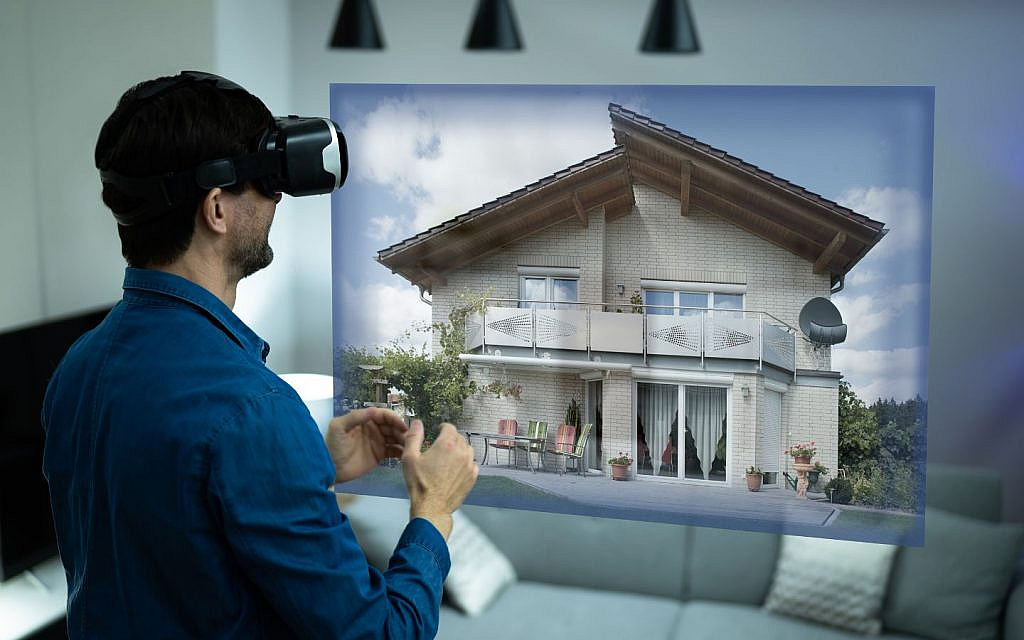
In the real estate sector, visuals are an essential contributor to user engagement. Professional photography, drone footage and 3D virtual tours can significantly enhance the presentation of properties. Interactive galleries with zoom capabilities allow visitors to explore details closely, while slideshows and videos help showcase homes in a dynamic, appealing way. These high-quality visuals can also be adapted for designing real estate brochures, helping your offline marketing materials maintain the same quality and professionalism as your online presence.

Intuitive and Simple Navigation
Visitors should be able to find what they need quickly and without frustration. Menus should be logically organised, with filters for property type, location, price and other relevant criteria. Adhering to the three-click rule, where any essential information can be reached in three clicks or fewer, improves usability. Contact details should also be placed prominently in either the header or footer.
Mobile-First, Responsive Design
With nearly half of all web traffic now coming from mobile devices, maintaining a mobile-friendly real estate website design is essential. Websites should display and function seamlessly on smartphones, tablets and desktops. Features that do not perform well on mobile, such as Flash or excessive pop-ups, should be avoided. Touch-friendly buttons and clear, readable fonts also improve the mobile browsing experience.
Powerful Branding and Consistency
A strong, consistent brand identity reinforces trust and recognition. Maintaining the same colour scheme and logo across all pages helps establish a cohesive look and feel. The design should align with the brand’s message and meet audience expectations, creating an experience that is both memorable and professional.
Essential Features for Real Estate Websites

Certain features can set a real estate website apart from the competition. Advanced search functionality enables users to refine their searches by factors such as price range, location and property type. Interactive maps help visitors visualise property locations and nearby amenities. Agent profiles with photos and biographies humanise the business and build rapport. Lead capture forms should be placed strategically and paired with compelling calls-to-action that follow proven real estate marketing CTA strategies. Testimonials and reviews establish credibility, while neighbourhood guides offer valuable insights into local schools, transportation options and attractions.
Fast Load Times and SEO Optimisation
Website speed is crucial for user satisfaction and search engine performance. Optimising images and implementing caching techniques can significantly reduce load times. Incorporating SEO best practices, such as relevant keywords, meta tags and regularly updated content like blogs or market insights, can improve rankings and drive organic traffic. These elements are essential components of successful real estate lead generation strategies, helping attract more qualified visitors and convert them into clients. A well-optimised site enhances both visibility and engagement.
Accessibility Considerations
Accessibility ensures that all users, including those with disabilities, can navigate the website effectively. This involves using readable fonts, providing keyboard-friendly navigation and adding descriptive alt text for all images. Following recognised accessibility standards not only expands the audience but also reflects a commitment to inclusivity.
FAQs
How important is mobile responsiveness for property websites in the UAE?
Mobile responsiveness is crucial for property websites in the UAE, as most users browse listings on smartphones and expect a seamless experience.
How can I make my property listings easier to search and filter?
You can make property listings easier to search and filter by using an advanced search tool with clear categories such as property type, location, price range, number of bedrooms and amenities.
Additionally, to boost your property listings on dubizzle, it is important to keep your listings detailed, accurate and regularly updated to attract more potential buyers and increase visibility.
Should I integrate virtual tours and 3D walkthroughs into my property listings?
Yes, integrating virtual tours and 3D walkthroughs can significantly boost engagement.
The importance of a real estate website cannot be overstated, as it often serves as the primary platform for showcasing listings and generating leads. The website should combine visual appeal, intuitive navigation, mobile responsiveness and effective lead generation tools to deliver a seamless user experience. By following these real estate website design best practices, agencies can strengthen their credibility, build lasting client relationships and remain competitive in a rapidly evolving market.
To see how these principles look in action, go through some of our latest properties for sale in the UAE, showcased with the same attention to detail and user-focused design discussed above.
Keep reading dubizzle’s property blog to learn more about real estate trends, property market insights and tips for buying or selling your next home.