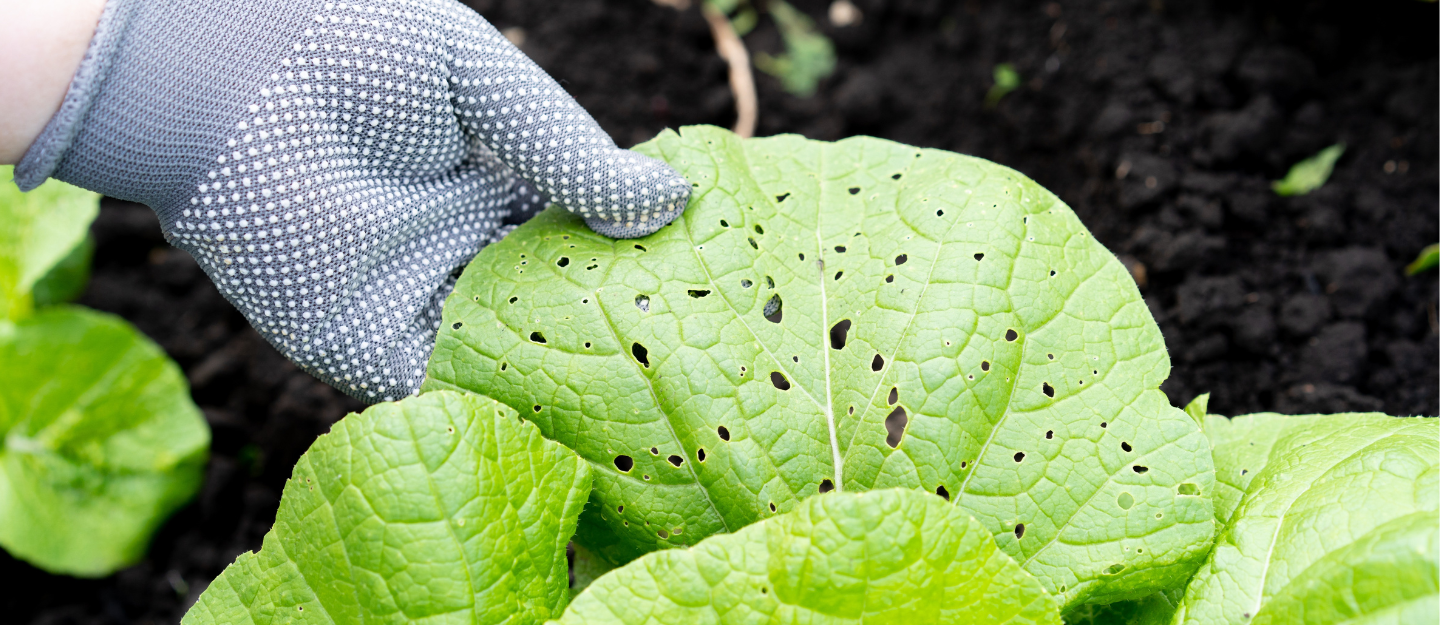
Maintaining a home garden is a rewarding pursuit that brings both aesthetic beauty and practical benefits, such as fresh produce and herbs. However, the presence of pests can quickly undermine these efforts, leaving behind damaged leaves, weakened plants and reduced yields. Protecting a home garden from pests requires a proactive approach that combines prevention, natural solutions and careful monitoring. This guide outlines effective strategies to safeguard your garden, ensuring healthy plant growth.
Tips To Keep Garden Plants Pest-Free
Here are some useful tips to protect the home garden from pests and to keep it clean and maintained.
Identify Common Garden Pests
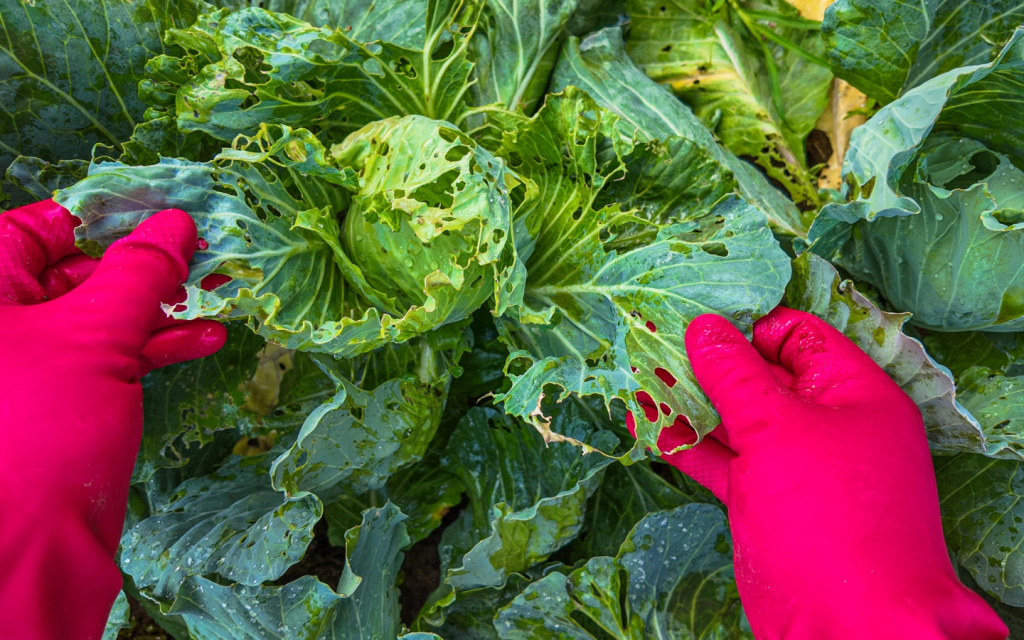
The first step to protect the home garden from pests is accurate identification. Aphids, for example, are small insects that cluster on new shoots and cause curling leaves, while slugs and snails leave irregular holes and slime trails. Caterpillars chew through foliage, whiteflies scatter in clouds when disturbed and spider mites create fine webs that speckle leaves yellow. Recognising these signs early enables timely intervention and limits damage, whether you have a vertical garden in a balcony or want to grow a vegetable garden in your backyard.
Promote a Healthy Garden Environment
Strong, healthy plants are more resistant to pests. Nutrient-rich soil, improved with compost and organic matter, helps plants develop resilience. Moreover, watering the plant base in the morning prevents fungal issues and reduces slug activity. Crop rotation disrupts pest life cycles, while proper spacing between plants ensures adequate airflow and discourages favourable conditions for pests.

Encourage Natural Predators
Beneficial creatures can provide natural pest control for the home garden and help maintain a balance. Ladybugs thrive on aphids, lacewing larvae attack soft-bodied insects and birds feed on caterpillars and beetles. Planting flowers such as marigolds, dill, or lavender not only enhances the beauty of the space but also helps protect the home garden from pests.
Employ Physical Barriers
For home garden pest management, simple physical barriers can be highly effective. Speaking of barriers, row covers shield seedlings from insects while allowing sunlight and water through. Similarly, netting prevents birds from damaging fruits and copper tape around pots or raised beds deters slugs and snails. Fencing may also be necessary to keep out larger intruders such as cats.
Apply Natural Remedies
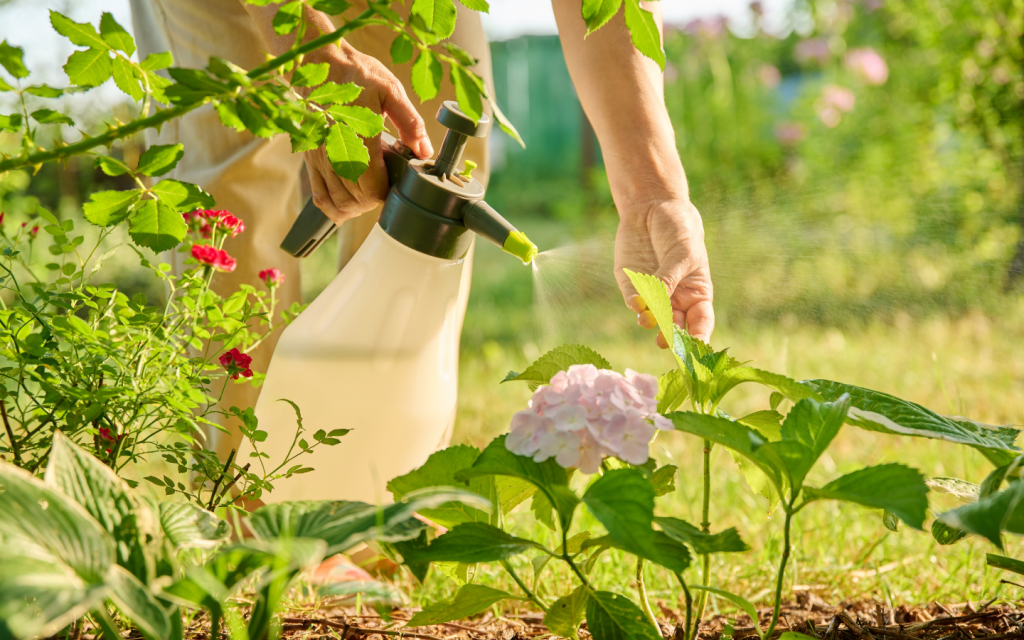
To prevent garden pests naturally, remedies often help resolve the issue. For instance, neem oil disrupts feeding and growth cycles, while a mild soapy water spray can eliminate soft-bodied pests. Diatomaceous earth acts as a barrier against crawling insects and homemade garlic or chilli sprays deter chewing pests. However, always test these solutions on a small area first to avoid harming plants. These remedies also help in preparing an apartment garden, allowing for the incorporation of natural elements even in small spaces.
Monitor Your Garden Regularly
Regular monitoring helps guarantee that small problems do not escalate. Common gardening tips, such as taking time to inspect the undersides of leaves, looking for discolouration or holes and removing pests by hand when possible, play a significant role. By staying observant, you can act quickly and maintain control over the garden.
Practice Companion Planting
Certain plants naturally deter pests and can be used strategically. For instance, to prevent garden pests naturally, you can opt for marigolds that help repel nematodes and aphids. Meanwhile, basil keeps flies and mosquitoes at bay, mint discourages ants and cabbage moths and nasturtiums draw aphids away from vegetables. In short, companion planting not only reduces pest pressure but also fosters greater biodiversity, whether you prefer a hydroponic garden or a green balcony.
Escalate When Necessary
If preventive and natural measures are insufficient, organic-certified pesticides may be used as a last resort to protect the home garden from pests. These should be applied carefully, targeting only affected areas to avoid harming beneficial species. Furthermore, always follow instructions to establish safety and effectiveness.
FAQs
Which plants repel pests effectively?
There are many plants that help protect the home from pests, such as basil, marigolds, lavender and chrysanthemums.
What are the signs that plants are infested with pests?
Signs of pest infestation in plants include chewed leaves, yellowing or curling foliage, sticky residue, holes or visible insects on stems and leaves.
What is the most environmentally friendly method for controlling pests?
The most environmentally friendly way to control pests is practising preventive care, such as maintaining healthy soil and proper plant spacing, to reduce infestations naturally.
These were some useful ways to protect the home garden from pests. The aforementioned methods offer assistance to help maintain your green space, whether it is a vast garden or a simple plant window box in an apartment.
In addition, if you plan to set up a garden in your current or rental villa in the UAE, be mindful of these tips and tricks to avoid any hassle and make the most of your lawn space.
For more gardening tips and tricks, keep a tab on dubizzle’s property blog.