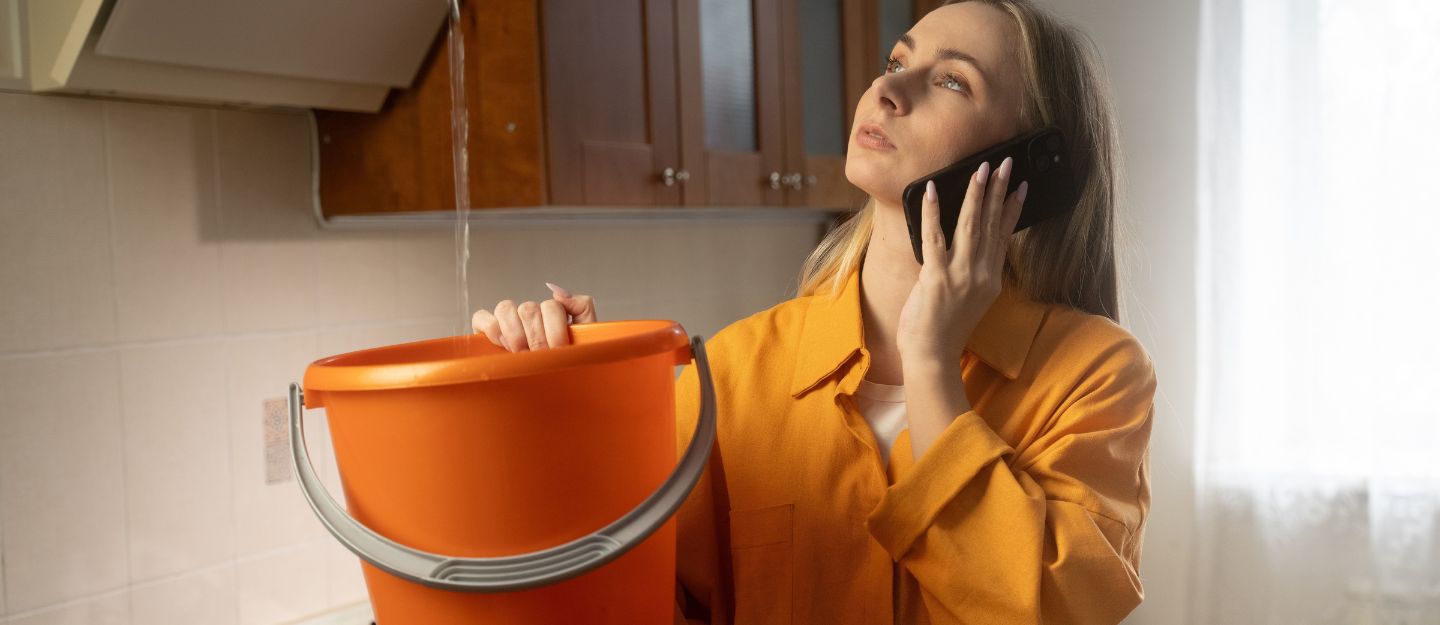
Property owners often underestimate how quickly water can compromise a building’s structure and contents. Understanding the causes of property water damage is essential to reduce risk, control repair costs and protect long-term property value. From minor internal leaks to severe weather-related incidents, water damage can escalate rapidly if left unaddressed.
Understanding Property Water Damage and Effective Prevention Tips
Water damage can affect both the structure and contents of a property, often starting in hidden areas before becoming visible. Early recognition of risk factors and proactive maintenance are key steps in minimising damage and protecting your home.
Broken or Leaking Pipes
Among the causes of water leaks in houses, damaged or ageing pipes remain one of the most significant and are a common home emergency in Dubai. Pipes may burst due to corrosion, high water pressure, or general wear and tear. Even small, slow leaks within walls or ceilings can lead to substantial structural deterioration over time.
Risks
- Structural weakening
- Hidden moisture accumulation
- Mould growth
- Damage to flooring, ceilings and insulation
Prevention
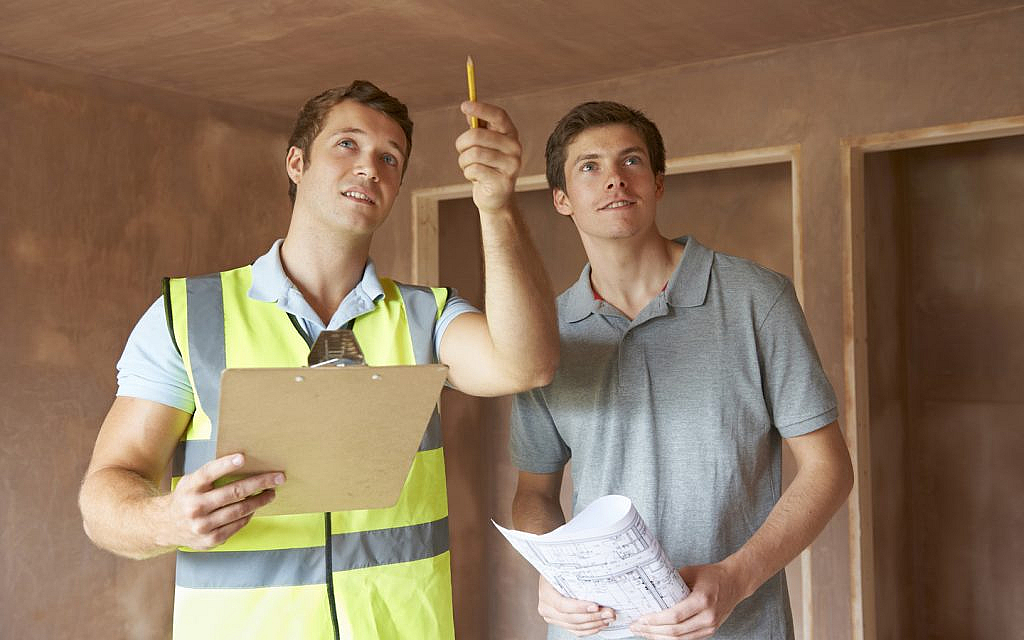
- Conduct regular inspections of exposed pipes.
- Monitor for water stains, damp patches or unexplained musty odours.
- Insulate pipes in cold areas such as lofts, basements and exterior walls.
- Maintain consistent indoor temperatures during the winter months.
- Address minor leaks immediately to prevent them from escalating.
Early detection is one of the most effective forms of property water damage prevention, particularly when addressing concealed plumbing issues.
Frozen Pipes
Freezing temperatures can cause water within pipes to expand, leading to cracks or bursts. This is a seasonal but highly disruptive cause of plumbing leaks and water damage. It is also one of the main reasons for high water bills.

Prevention
- Insulate water tanks and pipes thoroughly.
- Keep heating systems running during cold weather, especially in unoccupied properties.
- Set thermostats to maintain a minimum indoor temperature of approximately 12°C.
- If leaving a property vacant, consider shutting off the water supply and draining the system where appropriate.
If pipes freeze, turn off the main water supply and thaw them gradually using warm air. Sudden heating methods should be avoided to prevent additional stress on the pipe material.
Faulty Household Appliances
Household appliances connected to water supply systems are another major contributor to the common causes of water leaks in houses. Washing machines, dishwashers, refrigerators, boilers and HVAC units can develop leaks due to worn hoses, clogged drainage lines or mechanical failure.
Prevention
- Inspect hoses and seals regularly for signs of cracking or corrosion.
- Replace ageing hoses proactively.
- Arrange periodic servicing by qualified technicians.
- Ensure professional installation of new appliances.
Clogged Gutters and Roof Drainage Issues
Blocked gutters prevent proper rainwater drainage, causing water to overflow and seep into roofing materials, siding or foundations. Over time, this can lead to internal water infiltration and structural damage.
Prevention
- Clean gutters at least twice per year.
- Remove leaves, debris and obstructions.
- Inspect downpipes to ensure water is directed away from the foundation.
- Repair damaged roofing materials promptly.
Sewage Backups
Sewer backups can occur due to heavy rainfall, blocked drains or tree root intrusion into underground pipes. These events are particularly hazardous due to contamination risks.
Prevention
- Schedule periodic professional sewer line inspections and cleaning.
- Avoid flushing non-degradable materials.
- Consider installing backwater valves where appropriate.
- Review insurance policies to confirm coverage for sewer-related incidents.
Sewage-related incidents require immediate professional attention to protect both structural integrity and occupant health.
Overflowing Fixtures and Blocked Toilets
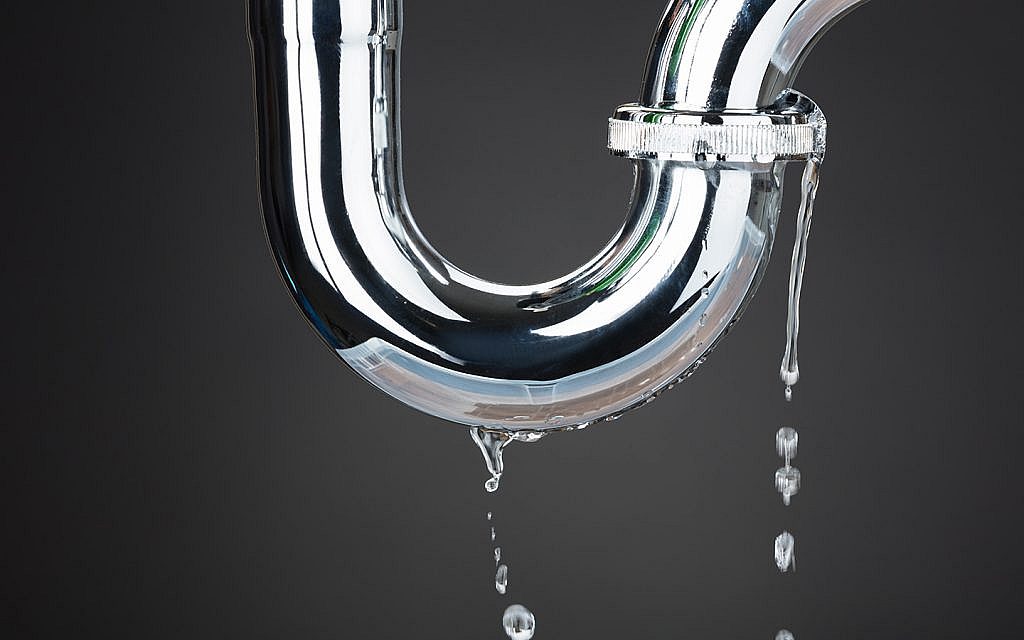
Overflow from sinks, bathtubs or toilets can cause rapid and visible damage. While often preventable, these incidents can result in extensive flooring and ceiling damage if not managed immediately.
Risks
- Warped flooring
- Ceiling collapse in multi-level properties
- Bacterial contamination
- Mould formation
Prevention
- Avoid leaving taps running unattended.
- Regularly inspect toilet mechanisms for faults.
- Know the location of the main stopcock and individual shut-off valves.
- Clear drains routinely to prevent blockages caused by wipes, grease, hair or foreign objects.
Quick action, including shutting off the water supply, significantly reduces long-term impact.
Poor Sealants and Waterproofing Failures
Deteriorated silicone sealant around baths, showers and sinks can allow water to penetrate surrounding walls and floors. Over time, this leads to hidden moisture buildup and decay.
Prevention
- Inspect grout and sealant periodically.
- Replace cracked or deteriorated materials.
- Ensure waterproofing measures are professionally installed and maintained.
Small maintenance tasks in wet areas can significantly reduce the likelihood of plumbing leaks and water damage.
Immediate Steps if Water Damage Occurs
If water damage is detected:
- Turn off the main water supply immediately.
- Switch off electrical systems if safe to do so.
- Contact your insurer promptly.
- Document visible damage with photographs.
- Arrange professional assessment and repairs.
Acting quickly is essential to limit structural damage and reduce mould development.
FAQs
What are the most common causes of property water damage?
The most common causes of property water damage include plumbing leaks, burst or frozen pipes, faulty appliances, roof leaks, clogged gutters, sewage backups and overflowing fixtures.
Can AC leakage cause serious water damage in apartments?
Yes, AC leakage can cause serious water damage in apartments by soaking walls, ceilings and flooring, leading to mould growth and structural deterioration if not addressed promptly.
How do roof leaks lead to property damage?
Roof leaks lead to property damage by allowing rainwater to seep into ceilings, insulation and walls, gradually weakening structural elements.
Water damage can arise from a range of internal and external factors, many of which are preventable with consistent inspection and maintenance. Understanding these common maintenance needs allows owners to keep their homes in top condition and protect their long-term value. For those exploring properties for sale in the UAE, this level of care is a key indicator of quality. A well-maintained home not only provides peace of mind but also remains a strong, reliable asset in a competitive real estate market.
Keep reading dubizzle’s property blog for practical guidance and expert insights on maintaining and enhancing your home.
![Every home has a story. Every story has a next step.
From your first key to the place you’ve always dreamed of, dubizzle Property is there for every move along the way.
Find your next moment with dubizzle Property .
لكل بيت حكاية، ولكل حكاية خطوة جديدة.
من البدايات الأولى إلى اللحظات التي تحلم بها، دوبيزل للعقارات تساعدك في العثور على المكان الذي يناسب كل مرحلة من حياتك.
اعثر على مكانك القادم مع دوبيزل للعقارات.
[dubai property, dubai real estate, dubai apartments, finding a home in dubai, dream home dubai, property in dubai, uae real estate, dubizzle property, dubai homes, luxury properties dubai]](https://www.dubizzle.com/blog/property/wp-content/plugins/instagram-feed/img/placeholder.png)