
Lease negotiations are a critical stage in the lifecycle of any rental or commercial property. The terms agreed upon during this phase directly influence profitability, risk exposure and the overall landlord-tenant relationship. The role of property managers in lease negotiations is crucial, as they ensure agreements are profitable and legally secure. By bringing market insight, regulatory knowledge and strong negotiation skills to the table, property managers help secure favourable terms for owners while maintaining a positive and sustainable relationship with tenants.
Understanding the Property Managers’ Role in Lease Negotiations
The benefits of hiring a property management company extend far beyond administrative support. They act as advisors, negotiators and intermediaries, safeguarding the interests of property owners while facilitating fair and balanced agreements with tenants.
Pre-Negotiation Preparation

Before negotiations begin, property managers conduct detailed research. This includes analysing market trends, assessing comparable rental rates and evaluating the prospective tenant’s financial reliability. Such groundwork ensures that lease terms are aligned with current market conditions and the property’s value.
Lease negotiation property management companies in Dubai, Abu Dhabi, and other emirates use real-time data and local expertise to create competitive and sustainable agreements.
Drafting and Reviewing Lease Agreements
One of the most critical aspects of lease negotiations is drafting and reviewing the lease document. Property managers ensure that all clauses are clear, enforceable and tailored to the specific property and tenant.

Key areas of focus include:
- Rent structure and escalation clauses
- Maintenance and repair responsibilities
- Insurance and liability provisions
- Renewal and termination conditions
By addressing these elements carefully, property managers reduce ambiguity and prevent disputes that may arise in the future.
Effective Communication
Property managers simplify complex legal language and present it in clear, understandable terms. This helps both parties make informed decisions and builds trust throughout the process.
Balanced Negotiation
A skilled property manager strives to achieve a balance between maximising returns for the landlord and offering reasonable terms to tenants. This balance is essential for securing long-term occupancy and reducing vacancy rates.
Rent and Escalation Planning
They determine appropriate rent levels and escalation strategies based on market trends and tenant stability. This includes forecasting market changes, setting annual or periodic increases and negotiating flexible terms that protect income while remaining competitive.
Maintenance Responsibility Planning
Clear allocation of maintenance responsibilities prevents future conflicts and unexpected costs. Property managers define who is responsible for repairs, routine upkeep and emergencies, ensuring that tenants and landlords understand their respective obligations.
Subleasing and Assignment Terms
Property managers carefully structure subleasing and assignment clauses to give tenants operational flexibility without compromising the landlord’s control over the property. This includes approval processes, transfer conditions and the maintenance of the property’s value during any sublease period.
Default and Termination Clauses
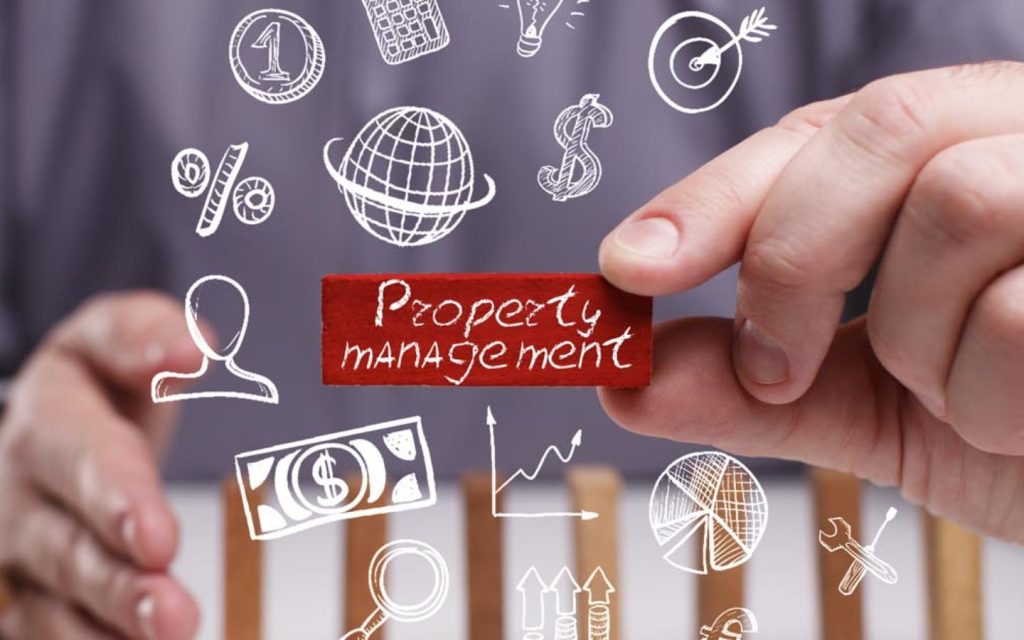
Well-defined clauses protect property owners in case of non-compliance, late payments or breaches of contract. Property managers also include clear procedures for eviction, notice periods and dispute resolution, ensuring enforcement is fair, legal and minimises potential financial loss.
Avoiding Common Lease Negotiation Pitfalls
Property managers help property owners avoid several common mistakes, including:
- Over-concessions: Excessive incentives that reduce long-term profitability
- Vague language: Poorly defined terms that lead to disputes
- Lack of legal compliance: Agreements that do not meet regulatory standards
Their expertise guarantees that leases are both practical and enforceable.
FAQs
What are the key responsibilities of property managers during lease negotiations?
Property managers are responsible for researching market trends, drafting and reviewing leases, mediating between landlords and tenants and ensuring agreements are legally sound and commercially viable.
How do property managers protect the landlord’s interests in lease talks?
They protect the landlord’s interests in lease talks by securing favourable terms, minimising financial and legal risks, enforcing clear contractual obligations and safeguarding the property’s value.
What negotiation strategies do property managers use?
They use negotiation strategies that leverage market data, balance landlord and tenant interests, communicate clearly and apply structured approaches to reach mutually beneficial agreements.
Property managers are essential partners in lease negotiations, bringing expertise, market insight and legal guidance to protect property owners’ interests. From initial negotiation to lease renewals, their involvement ensures smooth transactions, optimised income and strong landlord-tenant relationships.
For those looking to invest or expand their portfolio, these advantages directly support stronger returns and more stable tenancy outcomes. To help you with that, here are some properties for sale in the UAE, offering attractive returns for both investors and tenants.
Keep reading dubizzle’s property blog to learn more about property management in the UAE.
![Every home has a story. Every story has a next step.
From your first key to the place you’ve always dreamed of, dubizzle Property is there for every move along the way.
Find your next moment with dubizzle Property .
لكل بيت حكاية، ولكل حكاية خطوة جديدة.
من البدايات الأولى إلى اللحظات التي تحلم بها، دوبيزل للعقارات تساعدك في العثور على المكان الذي يناسب كل مرحلة من حياتك.
اعثر على مكانك القادم مع دوبيزل للعقارات.
[dubai property, dubai real estate, dubai apartments, finding a home in dubai, dream home dubai, property in dubai, uae real estate, dubizzle property, dubai homes, luxury properties dubai]](https://www.dubizzle.com/blog/property/wp-content/plugins/instagram-feed/img/placeholder.png)