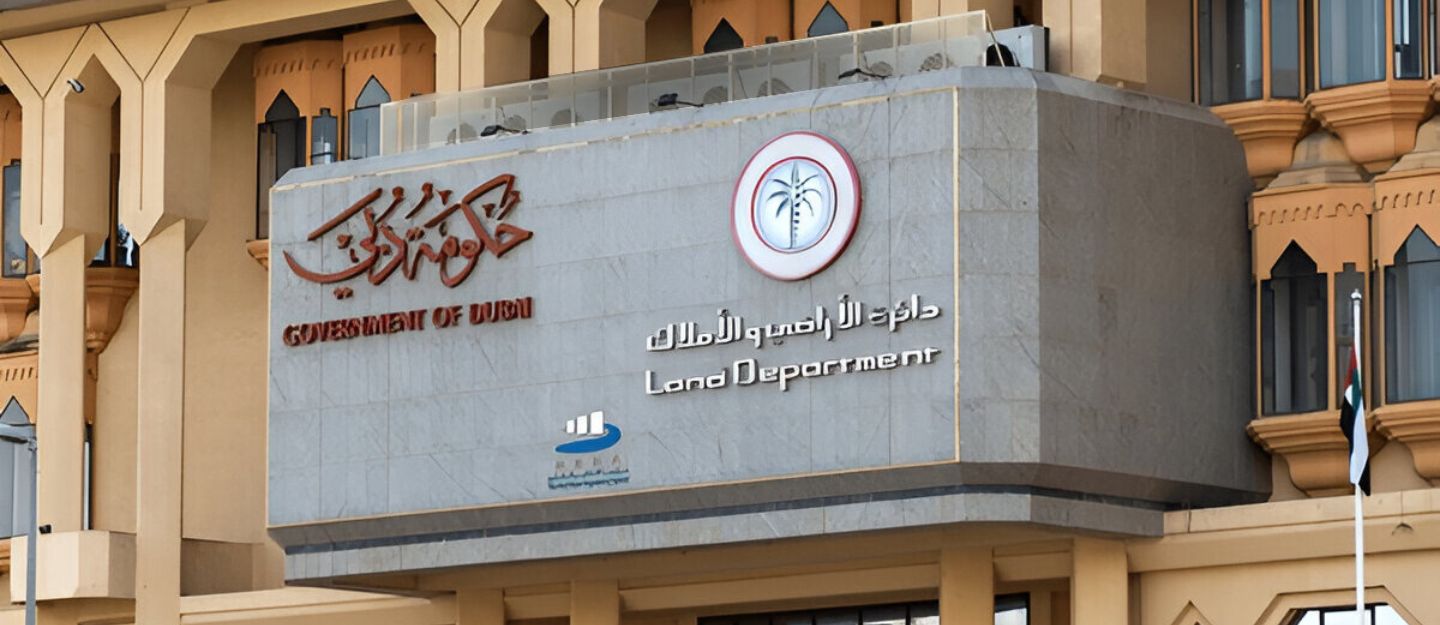
Dubai’s real estate market is built on a strong legal foundation supported by modern legislation and specialised government bodies. At the centre of this framework is the Dubai Land Department (DLD), which oversees the regulation and registration of property transactions. Law No. 7 of 2013 sets out the DLD’s powers, objectives and structure, reinforcing transparency in the market and fostering investor confidence.
Scope and Objectives of Dubai Property Law No. 7 of 2013
Law No. 7 of 2013 establishes the Dubai Land Department (DLD) as the central authority for all real estate regulation and registration in the emirate. Replacing earlier legislation, it empowers the DLD to oversee a wide range of property-related activities.
Under this mandate, the DLD is responsible for creating a world-class environment to attract local and international investors. Its objectives include strengthening market regulation, maintaining advanced property registration systems and ensuring compliance with global best practices. It also focuses on developing the rental sector, promoting investment opportunities and integrating real estate strategies into Dubai’s long-term economic vision.
Mandate and Functions of DLD Under Law No. 7 of 2013
Law No. 7 of 2013 of real estate in Dubai empowers the DLD to regulate, license, monitor and promote all major property-related activities in the emirate. The law consists of 16 articles, each defining the department’s mandate in shaping Dubai’s real estate market.


Key Functions and Power
Under Article (6) of Law No. 7 of 2013, the key functions of the DLD include:
- Set and implement policies and strategies in alignment with the Dubai Strategic Plan for the development and regulation of the real estate market.
- Update and develop the department’s property registration systems in line with international standards.
- Regulate the market by setting rules for escrow accounts, brokerage offices and jointly owned properties.
- Provide investors with market data and information to encourage investment in the emirate.
- Propose initiatives and policies to achieve the department’s objectives, particularly those related to property promotion and investment.
- Propose and review real estate legislation, assess its effectiveness and regulate landlord–tenant relations, including the registration of lease contracts.
- License and supervise real estate activities, ensuring compliance and monitoring market participants.
- Set measures, in coordination with relevant authorities, to ensure market protection and maintain stability.
- Evaluate investor applications for benefits under applicable laws and policies.
- Provide property valuation and land surveying services and issue official maps.
- Maintain and update a unified central database for real estate activities in Dubai.
- Deliver training, awareness programmes and consultations for developers, brokers and investors.
- Encourage UAE nationals to work in the property sector through targeted programmes and initiatives.
- Organise seminars, workshops and conferences to address market issues and propose solutions.
- Monitor the performance of affiliated entities to ensure service quality.
- Establish real estate councils, advisory groups and committees to provide expert guidance.
Governance and Organisational Structure
The leadership and operational framework of the DLD is set out in Articles (7) to (9) of Law No. 7 of 2013. The Ruler of Dubai appoints a Chairman, responsible for approving policies, budgets, fee structures and other strategic matters. The Chairman may delegate powers to the Director General, who is also appointed by the Ruler and oversees the department’s administrative, technical and financial operations.
Supporting the leadership is the executive body, comprising administrative and technical employees. These employees are governed by the provisions of Law No. (27) of 2006 Concerning the Management of the Government of Dubai Human Resources, along with its amendments.
Financial Structure and Resources
Articles (11) to (13) of Law No. 7 of 2013 define the financial regulations and funding sources of DLD. The department follows government accounting rules and standards, with its financial year running from 1 January to 31 December.
The financial sources include revenue from the Government of Dubai’s general budget, DLD service fees and any other revenues approved by the Executive Council.

Significance for Investors, Developers and Tenants
Law No. 7 of 2013’s Articles (5), (6) and (15) oversee market transparency and rights of landlords, tenants and investors. From a secure registration process, licensing and regulated rent, the Law provides complete safeguards to all the stakeholders of the real estate market.
Final Provisions and Repeals
The Article (15) repeals the Declaration issued in 1960 for the establishment of the Tabou department and Law No. (7) of 1997 concerning land registration fees in Dubai. Moreover, any other legislation that contradicts the Law. No. (7) of 2013 is repealed.
FAQs
What is Dubai Property Law No. 7 of 2013?
It is the legislation that defines the powers, objectives and structure of the Dubai Land Department (DLD), making it the central authority for regulating, registering and promoting real estate activities in the emirate.
How does Law No. 7 of 2013 protect property owners in Dubai?
The law ensures transparent registration systems, regulates landlord–tenant relations and enforces measures for market stability, safeguarding the rights of all stakeholders.
What is the role of the Dubai Land Department under Law No. 7 of 2013?
The DLD regulates property transactions, licenses real estate activities, maintains registration systems, promotes investment and oversees policies that ensure a stable and transparent market.
This is the complete summary of Property Law No. (7) of 2013 of real estate in Dubai. The law is designed to protect the rights of all stakeholders while ensuring market transparency through DLD. It also focuses on promoting the real estate sector to retain existing investors and attract new ones, contributing to overall market stability. The law empowers DLD to ensure that investors buying properties in Dubai benefit from potential stable returns.
Stay connected with dubizzle’s property blog to learn more about Dubai property ownership regulations.