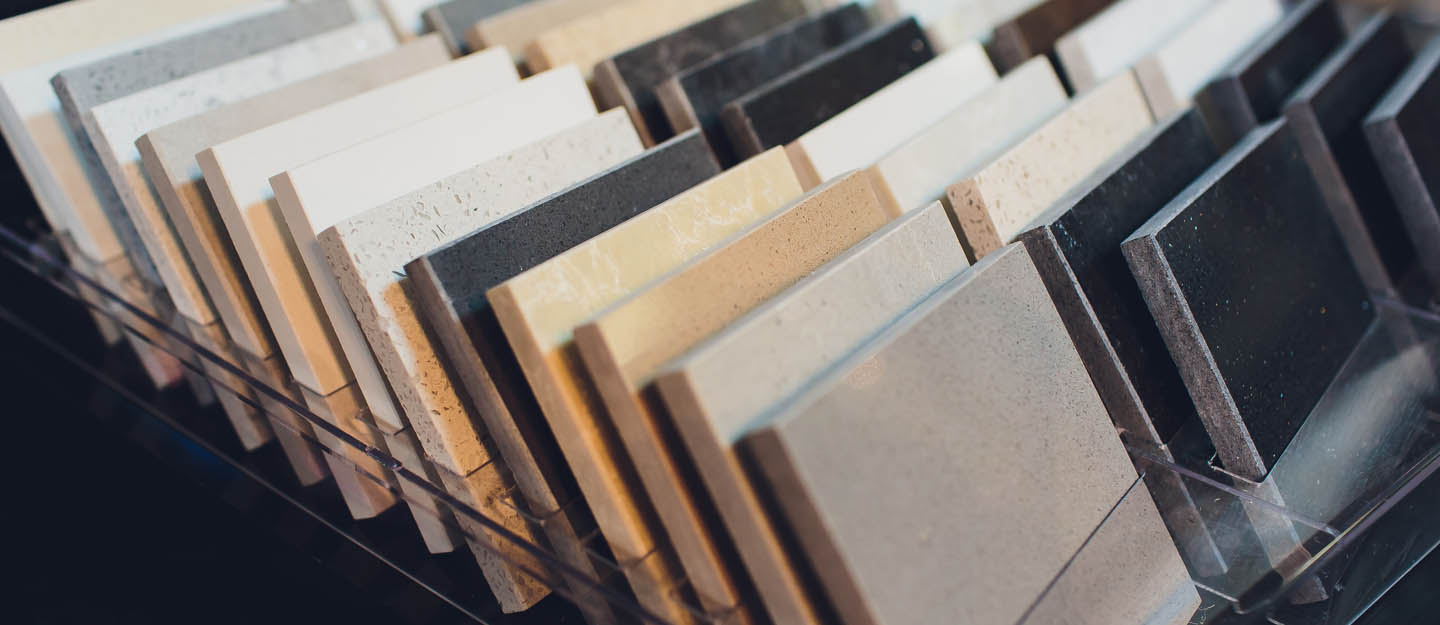
Among the various types of tiling options available, choosing from porcelain or ceramic tiles is easier. Both are popular options for flooring, walls and even countertops. However, they have distinct differences that can affect their performance and suitability for various applications.
Here we will discuss the key differences between porcelain and ceramic tiles and learn more about their pros and cons. This way you will get a detailed head-to-head comparison between the two and decide which one fits your needs.
What to Choose: Porcelain vs Ceramic Tiles

Several types of tiles can give your home a unique look mainly due to their appearance. Therefore, if you plan to buy a villa in the UAE, ensure the tiling suits your preferences. While different types of tiles exist, we will only compare porcelain vs ceramic tiles here and help you choose the best one. So, let’s get familiar with porcelain and ceramic tiles.
Why Choose Ceramic Tiles For Your Home
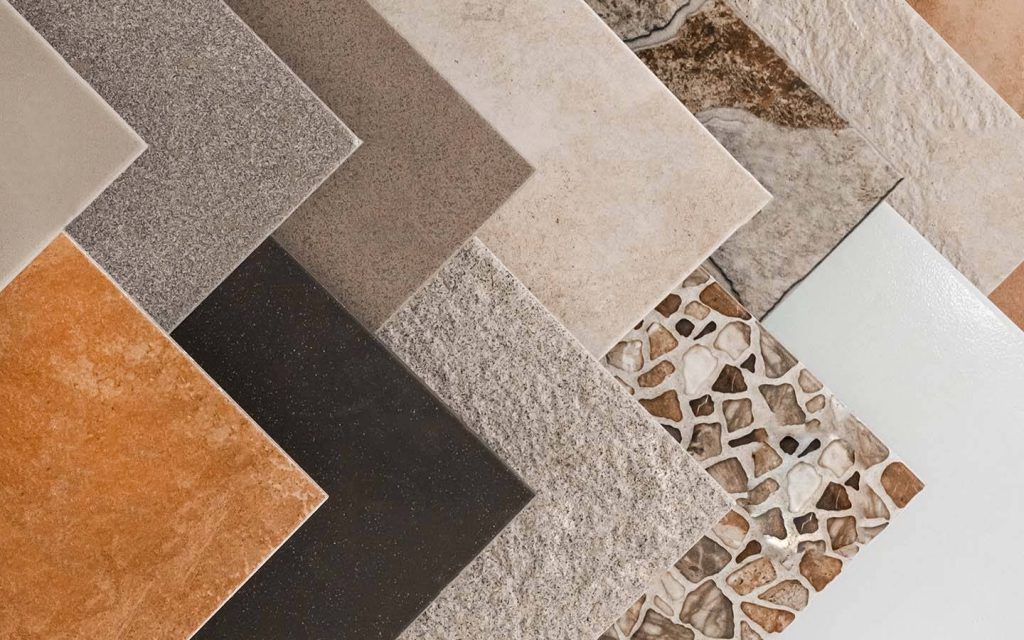
Ceramic tiles are composed of a mixture of clay, water and minerals. They are kiln-fired at low temperatures than porcelain tiles, increasing their sturdiness. Ceramic tiles come in various colours, sizes and patterns. Among the various types of home flooring, flooring with ceramic tiles is available in versatile designs and styles.
Advantages of Ceramic Tiles
Here are some advantages of using ceramic tiles for your living space.
Affordability
Ceramic tiles are generally more economical than porcelain tiles. This is because the clay used in ceramic tiles is way less refined than porcelain tiles, making it an affordable option.
Easy to Install
Due to their lightweight and softer composition, ceramic tiles are easy to handle and install. They are also easy to cut, reducing labour time and cost. All in all, tiles are easier to install in the comparison of carpet vs flooring
Wide Range of Designs
With numerous design options, ceramic tiles offer flexibility in creating various looks. They can mimic the appearance of natural stone, wood or even intricate mosaic patterns, adding aesthetic value to any space.

Easy Maintenance
Once installed, ceramic tiles are relatively easy to maintain. Regular sweeping and mopping are usually sufficient to make them look clean.
That said, you may opt for any home cleaning services in Dubai, Abu Dhabi or any other Emirate to keep the place clean and well-maintained.
Suitable for Indoor Use
Ceramic tiles are an excellent choice for indoor spaces, such as living rooms, bedrooms and kitchens. They are used widely as flooring options in places with a warm climate.
Disadvantages
Apart from the many advantages of ceramic tiles, there are some disadvantages to this type of tiling as well.
Prone to Chipping
Since ceramic tiles are made of less refined clay and have softer composition, they are more susceptible to chipping and cracking.
Not Suitable for High-Traffic or Outdoor Areas
The lower durability of ceramic tiles makes them less ideal for heavily used spaces. Also, since they have a lower water resistance rate, ceramic tiles are not suitable for use in outdoor areas or bathrooms.
Potential Fading
Over time, the colour and glaze on ceramic tiles may fade, particularly in areas exposed to direct sunlight.
Why Choose Porcelain Tile For Your Home
Unlike ceramic tiles, porcelain tiles are made from finer and more refined clay. They are fired at higher temperatures which makes them highly durable and water-resistant. Porcelain tiles often mimic the appearance of natural stone. They are available in a wide range of textures and finishes.
Advantages of Porcelain Tiles
Let’s go through the advantages of porcelain tiles for your living space.
Higher Durability
Porcelain tiles are highly resistant to scratches, chips, and wear, making them suitable for high-traffic areas. The more refined material and stronger composition of porcelain tiles result in their higher durability.
Water-Resistance
The low porosity of porcelain tiles ensures they are nearly impervious to water, making them an ideal option for bathrooms and laundry areas. Being water-resistant, they offer an excellent choice for warm and humid climates. Therefore, they serve as a great tile flooring option to keep the house cool.
Versatile Design Options
Porcelain tiles can replicate the look of expensive natural stones, providing a sophisticated appearance. They offer a wide range of textures, finishes and designs.
Long-Lasting
With proper installation and maintenance, porcelain tiles can last for a long time, possibly decades. This makes them a durable and cost-effective investment. Moreover, they can withstand high temperatures, making them compatible with underfloor heating systems and outdoor areas.
Disadvantages
However, we cannot deny that porcelain tiles have certain disadvantages as well.
Higher Cost
Porcelain tiles are generally more expensive than ceramic tiles, which can impact one’s budget.
Challenging to Install
The denser composition of porcelain tiles can make them more difficult to cut and install. Therefore, they require specialised tools and expertise.
Heavy Weight
Porcelain tiles are heavier than ceramic tiles, which may require additional structural support for certain installations.
How to Tell Porcelain and Ceramic Tiles Apart
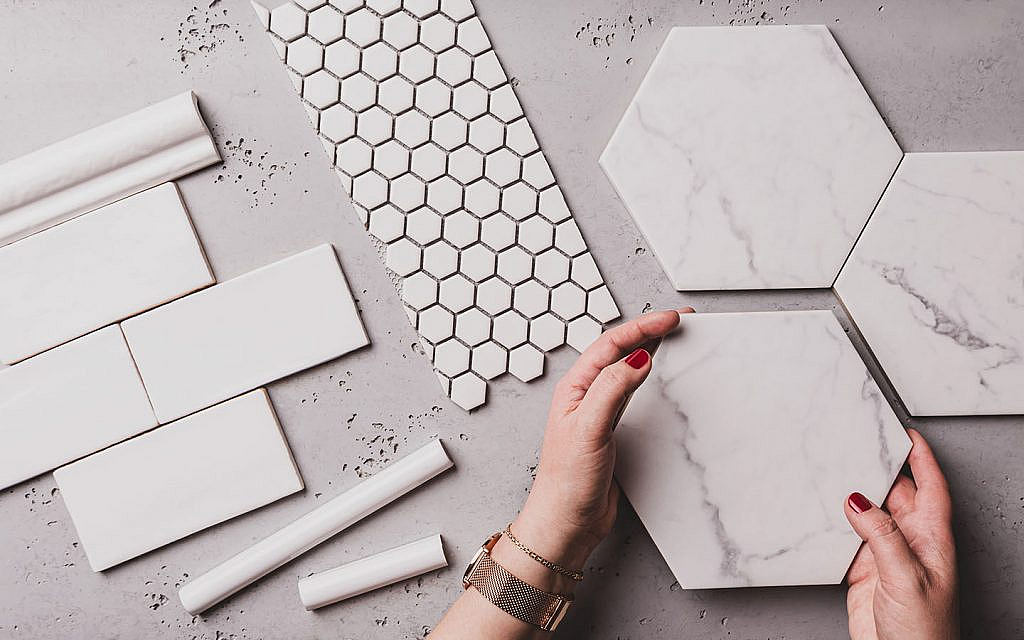
By now, you should have a good understanding of porcelain and ceramic tiles. Distinguishing between ceramic and porcelain tiles is relatively simple.
You may examine the edges of the tile – if they appear white or lighter in colour, it is likely a ceramic tile. In contrast, porcelain tiles have consistent colour throughout their body. Also, check the water absorption rate, as porcelain tiles absorb less than 0.5% of water. Whereas, ceramic tiles can absorb up to 3% of water.
Which One to Use Between Porcelain and Ceramic Tiles

When deciding between porcelain and ceramic tiles, consider your specific needs and the location where the tiles will be installed. For high-traffic areas, such as entryways and kitchens, porcelain tiles are the clear winner due to their exceptional durability. Moreover, for areas prone to water exposure, like bathrooms, porcelain’s water resistance makes it the better choice. Also, tile flooring can also keep the roof cool in summer and improve the aesthetic of the place as well.
However, if you are on a tight budget or are working on a home renovation project, ceramic tiles can be a suitable and cost-effective option. They offer a wide range of designs and can still enhance the aesthetics of your space.
Now you know the pros and cons of both porcelain vs ceramic tiles. The choice ultimately depends on your specific requirements, budget and the intended use of the tiles. If durability and water resistance are of prime importance, porcelain tiles are the best option. On the other hand, ceramic tiles offer versatility and affordability, making them a worthy choice for less-foot traffic areas. All in all, tiles are a better option as they are easier to clean and install when comparing carpet vs flooring options.
That said, be it porcelain or ceramic tiles, both will enhance the beauty of your living space if used with proper care and maintenance. For more flooring options, you can also check out the comparison between marble vs wood floors.
For more tips on home and living, stay connected with the dubizzle property blog.