Hiring a nanny is common for many families in Dubai, particularly in households where both parents work. While domestic help provides essential childcare support, parents understandably want reassurance that their children are safe at home.
Nanny cameras can offer that peace of mind. However, their use in Dubai is governed by strict privacy rules, cultural sensitivities and legal boundaries. Before installing a nanny camera in Dubai, it is important to understand how these devices work, what the law allows and how to use them responsibly.
What Is a Nanny Camera?
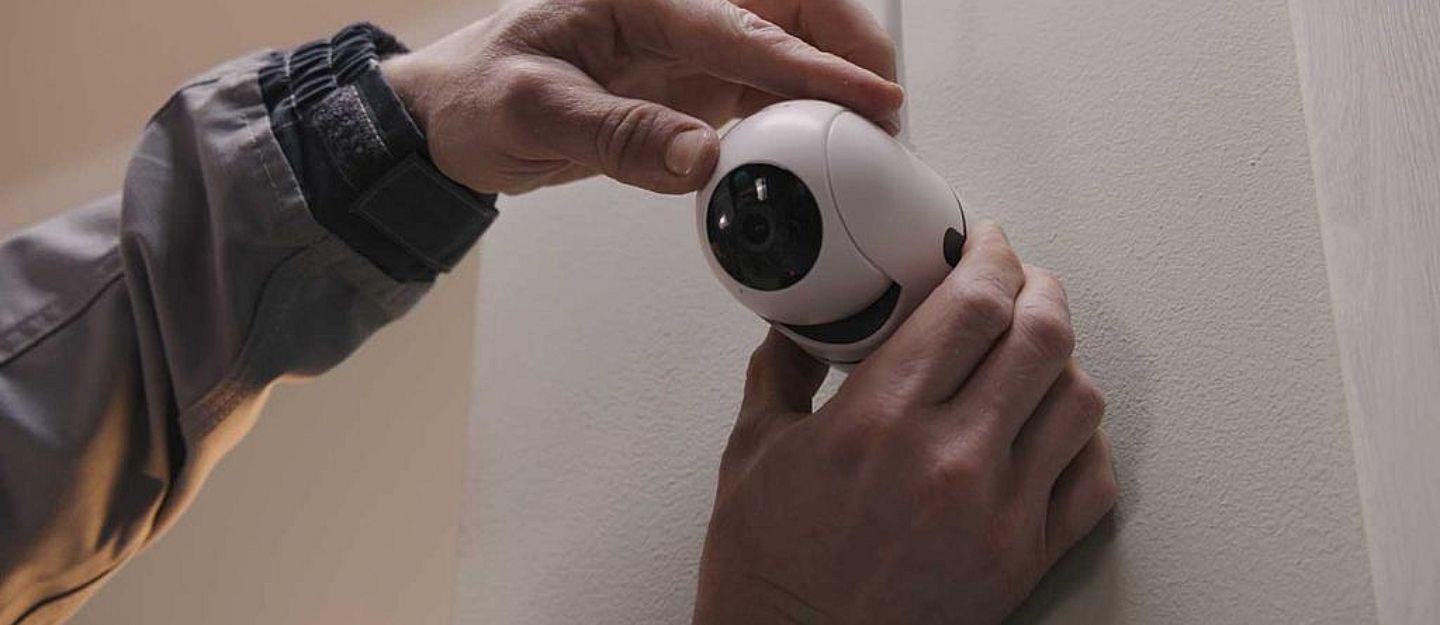
A nanny camera is a home surveillance device used to monitor childcare activities. These cameras are typically installed in shared living areas and allow parents to check in remotely through mobile apps or online systems.
In Dubai, home surveillance systems are recognised as useful tools for safety and security. Authorities, including Dubai Police, encourage responsible use of CCTV in residential spaces to improve safety and assist investigations when necessary.
However, they also stress that surveillance must never infringe on personal privacy.
Is It Legal to Use a Nanny Camera in Dubai?
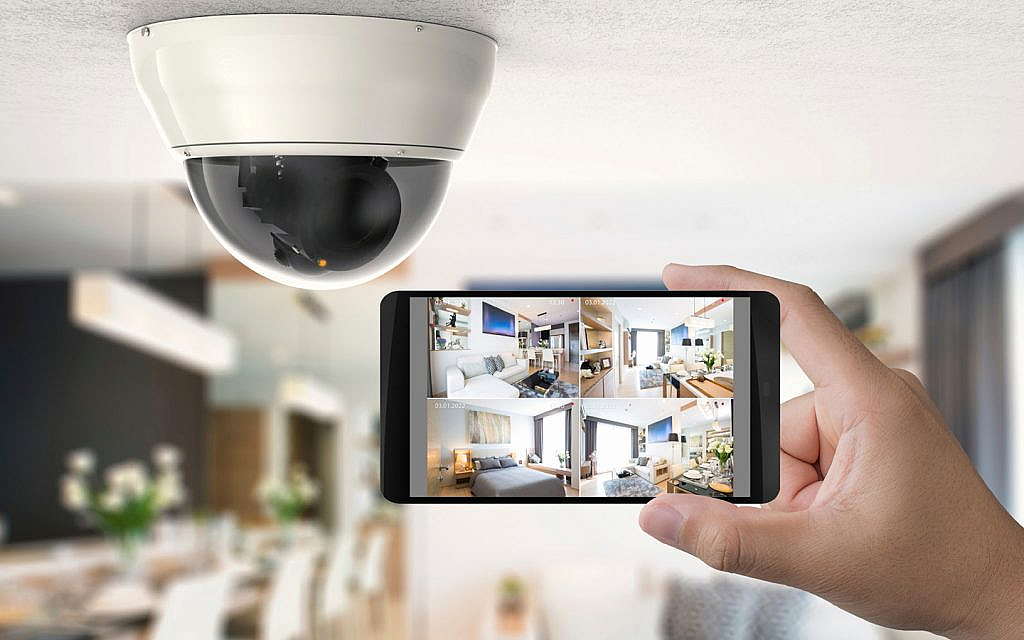
Yes, nanny cameras are legal in Dubai, but only when used within defined limits. UAE privacy and cybercrime laws place strict controls on recording individuals inside private homes.

Families sponsoring a domestic worker through a maid visa in Dubai should also ensure they understand their responsibilities regarding privacy, accommodation and respectful monitoring practices.
Informing Your Nanny Is Essential
Domestic staff must be informed if cameras are installed. Recording someone without their knowledge may violate UAE privacy and cybercrime laws. Transparency is not just ethical; it is legally important. Domestic staff should be informed of cameras and their purpose before installation.
Cameras Are Restricted to Shared Spaces
You may install cameras in common areas such as living rooms, entrances, kitchens or playrooms. Installing cameras in private areas, such as bedrooms, bathrooms or changing spaces, is strictly prohibited and may result in legal penalties.
Audio Recording Requires Extra Caution
Recording conversations without consent is strictly regulated in the UAE. Both the UAE Penal Code and the Cybercrime Law prohibit illegal recording and sharing of private conversations. Capturing audio without the knowledge of those involved may lead to fines between AED 150,000 and AED 500,000, confiscation of devices or 6 months imprisonment. For this reason, nanny cameras should generally be used for visual monitoring only, unless all parties explicitly agree to audio recording.
Sharing Footage Can Lead to Penalties
Posting surveillance footage online, even if it shows misconduct, may result in fines or imprisonment under UAE cybercrime laws.
Why Families Choose to Install Nanny Cameras
When used responsibly, nanny cameras can provide several benefits.
- Reassurance for working parents: Parents can check routines, feeding times and sleep schedules remotely, helping maintain consistency in childcare.
- Improved child safety: Monitoring shared spaces allows parents to detect hazards, emergencies or unsafe behaviour early.
- Conflict resolution: If misunderstandings arise regarding childcare practices, recorded footage can help clarify events objectively.
- Added home security: Beyond childcare, cameras can help deter theft, monitor entry points and support investigations if needed.
Many families in Dubai choose professional solutions when installing nanny cameras. You can explore new and used surveillance for sale in the UAE to find indoor CCTV systems that comply with local regulations and privacy laws.
Risks and Concerns to Consider
Despite the advantages, nanny cameras also raise important considerations.
- Privacy violations: Dubai places strong emphasis on personal privacy. Cameras must never capture neighbouring homes, guests or private spaces.
- Trust between families and staff: Hidden cameras can damage relationships with domestic staff and create a hostile work environment.
- Cybersecurity risks: Police have warned that poorly secured cameras can be hacked, exposing private household footage online. Strong passwords and secure networks are essential.
- Building regulations: When you rent an apartment in Dubai, it is important to review building rules, landlord permissions and privacy considerations before installing any surveillance devices.
Best Practices for Using a Nanny Camera in Dubai
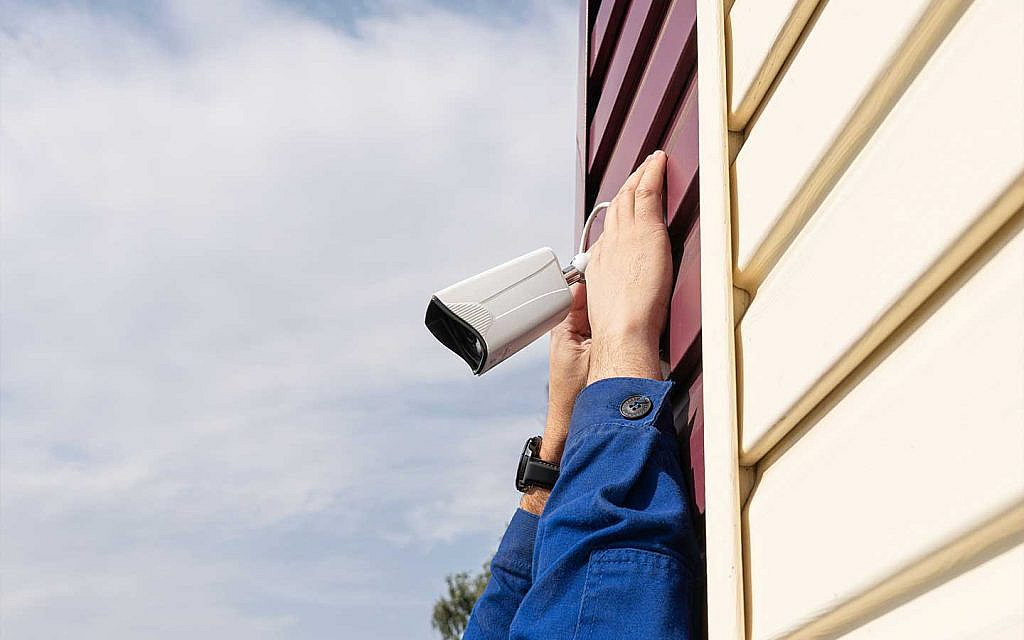
To stay compliant and respectful, families should follow these guidelines:
- Inform your nanny and include camera usage in the employment agreement
- Install cameras only in shared household areas
- Avoid recording audio unless consent is given
- Secure footage and restrict access to authorised users
- Never share recordings publicly
- Choose reliable systems with strong cybersecurity protection
Before hiring a nanny in Dubai, make sure cameras serve their intended purpose, safety and reassurance, without breaching legal or ethical boundaries.
FAQs
Can I hide a nanny camera in my home in Dubai?
No. Hidden cameras may violate privacy laws if the person being recorded is unaware. Transparency with domestic staff is strongly advised.
Are nanny cameras legal to use in Dubai?
Yes, nanny cameras are legal in Dubai if they are used for security or childcare monitoring and comply with UAE privacy laws.
Is consent required to use a nanny camera in Dubai?
Yes. Informing domestic staff is strongly advised and considered the best legal practice. Recording someone secretly may be treated as a breach of privacy laws.
Nanny cameras can be a useful tool for families in Dubai, offering reassurance, improved security and greater confidence in childcare arrangements.
Before installing a nanny camera, it is wise to compare trusted CCTV companies in Dubai, as professional providers can advise on legal placement, system quality and building approval requirements.
Stay informed with the latest insights on property regulations and household staffing requirements by following the UAE’s leading property blog.
![Every home has a story. Every story has a next step.
From your first key to the place you’ve always dreamed of, dubizzle Property is there for every move along the way.
Find your next moment with dubizzle Property .
لكل بيت حكاية، ولكل حكاية خطوة جديدة.
من البدايات الأولى إلى اللحظات التي تحلم بها، دوبيزل للعقارات تساعدك في العثور على المكان الذي يناسب كل مرحلة من حياتك.
اعثر على مكانك القادم مع دوبيزل للعقارات.
[dubai property, dubai real estate, dubai apartments, finding a home in dubai, dream home dubai, property in dubai, uae real estate, dubizzle property, dubai homes, luxury properties dubai]](https://www.dubizzle.com/blog/property/wp-content/plugins/instagram-feed/img/placeholder.png)