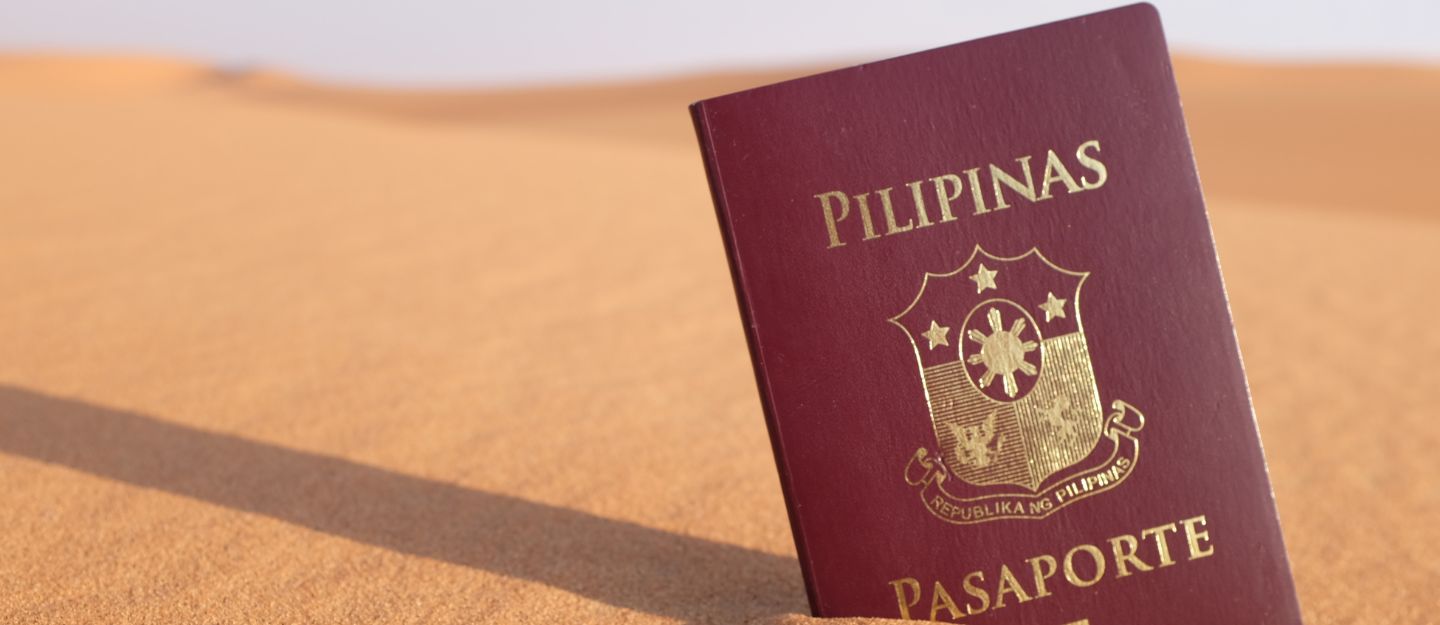
- Visa
- Documents
- Medical and Insurance
- Accommodation
- Family Sponsorship
- Settling in Dubai as a Filipino
- FAQs
Relocating from the Philippines to Dubai is a significant life decision that comes with its own set of challenges and preparations. Dubai, known for its ultramodern architecture, vibrant economy and multicultural environment, is a popular destination for Filipino expatriates seeking new career opportunities and a better lifestyle. To help you prepare for this big move, here’s a comprehensive guide on moving to Dubai from the Philippines. We have covered everything from visas and accommodation to healthcare and schooling.
Moving to Dubai from the Philippines Checklist
Planning to move to Dubai from the Philippines? Dubai, known for its vibrant expat community and abundant job opportunities, offers an exciting lifestyle but requires careful preparation. This comprehensive guide will help you understand the steps to ensure a smooth transition when moving to Dubai from the Philippines.
Visas for Moving to Dubai
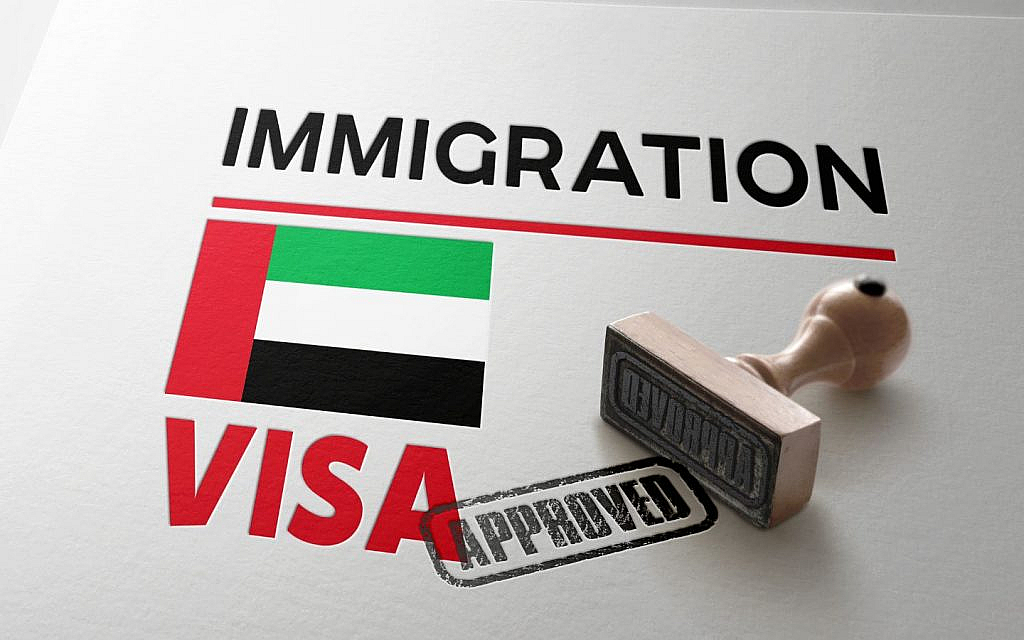
Securing the right visa is the first and most crucial step in moving to Dubai. The UAE offers several visa types, depending on the purpose of your stay.
Employment Visa (Work Visa)
The employment visa is the most common type of visa for those moving to Dubai for work. This visa allows you to live and work in Dubai as long as you are employed by a UAE-based company, which acts as your sponsor. There are several types of employment visas: Standard Work Visa, Green Visa, Freelancer Visa, Domestic Worker Visa and Golden Visa.
General Requirements
- Valid passport (with at least 6 months validity)
- A job offer from a UAE-based company
- Academic qualifications (attested)
- Medical fitness certificate
- Security clearance from the Philippines
Job Seeker Visa
This visa is ideal if you’re looking to explore job opportunities in Dubai without an immediate employer sponsor. A UAE Job Seeker visa is valid for 60, 90 or 120 days and doesn’t require a host. However, note that job searching on a tourist visa is not permitted.
Required Documents
- Coloured photo
- Passport copy
- Attested qualification certificates
- Health insurance
- Medical certificate
- Security clearance
- Bank statements
- Return ticket
Remote Work Visa
If you’re already employed but want to work remotely from Dubai, the UAE Remote Work Visa offers you the chance to live in Dubai while continuing with your current employer. The eligibility varies, so it’s essential to consult the official UAE government visa portal.
Residence Visa
A residence visa allows for long-term living in Dubai, whether you’re an investor, employee or reuniting with family. It’s crucial to understand that an entry permit and a residence visa are different; the entry permit allows you to enter, while the residence visa allows a long-term stay.
General Requirements
- Valid passport
- Proof of accommodation
- Evidence of financial stability
- Medical fitness certificate
- Security clearance
Golden Visa
This prestigious visa is for individuals with exceptional talent in arts, culture, sports, or business and offers a long-term residence option. UAE Golden Visa is also available for investors with significant financial contributions to the UAE economy. Expats can also buy off plan properties via golden visa in Dubai.
General Requirements
- Valid passport
- Proof of exceptional talent or achievements
- Investment of at least AED 10 million
- Medical certificate and security clearance
Other Visa Types
- Dependent Visa: For spouses or children of Dubai residents.
- Student Visa: For those enrolled in a UAE educational institution.
- Investor Visa: For expats investing in UAE businesses.
- Retirement Visa: For expats over 55, granted for five years.
Document Preparation for Moving to Dubai
Once your visa is secured, the next step is gathering all necessary documents. Each visa type requires different paperwork and some documents must be attested by Philippine and UAE authorities. Here are the document requirements for moving to Dubai from Philippines:

- Passport: Ensure it has at least six months of validity.
- Attested Educational Certificates: These should be attested by the Philippines Department of Foreign Affairs (DFA) and the UAE Embassy.
- Certificate of Good Conduct: Issued by the NBI.
- Marriage Certificate (if applicable): Required if you are sponsoring a spouse or dependents.
- Birth Certificates of Children: Required if sponsoring dependents.
For students moving to Dubai, additional documents may include school transcripts and acceptance letters from a UAE institution.
Medical Tests and Health Insurance
Once you arrive in Dubai, all expats are required to undergo a medical examination as part of the residency process. This includes blood tests and chest X-rays to screen for communicable diseases such as tuberculosis, hepatitis and HIV.
After passing the medical exam, you will be issued an Emirates ID, a mandatory identification card that you’ll need for many activities, such as opening bank accounts, signing rental agreements and applying for utilities.
All Dubai residents are required by law to have basic health insurance. For those on employment visas, employers typically provide health insurance coverage. If you’re a dependent or on a student visa, your sponsor or university should provide or assist in arranging health insurance.
Finding Accommodation in Dubai
Before arriving, it’s wise to consider your accommodation options. Dubai offers a variety of housing, from luxury properties to budget-friendly apartments. Popular areas for Filipino expats include:
- Al Satwa, Al Rigga and Al Karama are affordable and well-connected areas in ‘Old Dubai’.
- Al Nahda and Bur Dubai are conveniently located near public transport Dubai and amenities.
Rent is typically paid annually through post-dated cheques, with additional monthly costs for utilities, internet and TV. Budget-conscious expats should also explore chiller-free apartments where air-conditioning is included. For this, check out the listing of apartments for rent in Dubai and find a perfect place as per your budget.
Additional Costs
- Security deposits
- Real estate agent commissions
- Utilities (electricity, water)
Sponsoring Your Family in Dubai
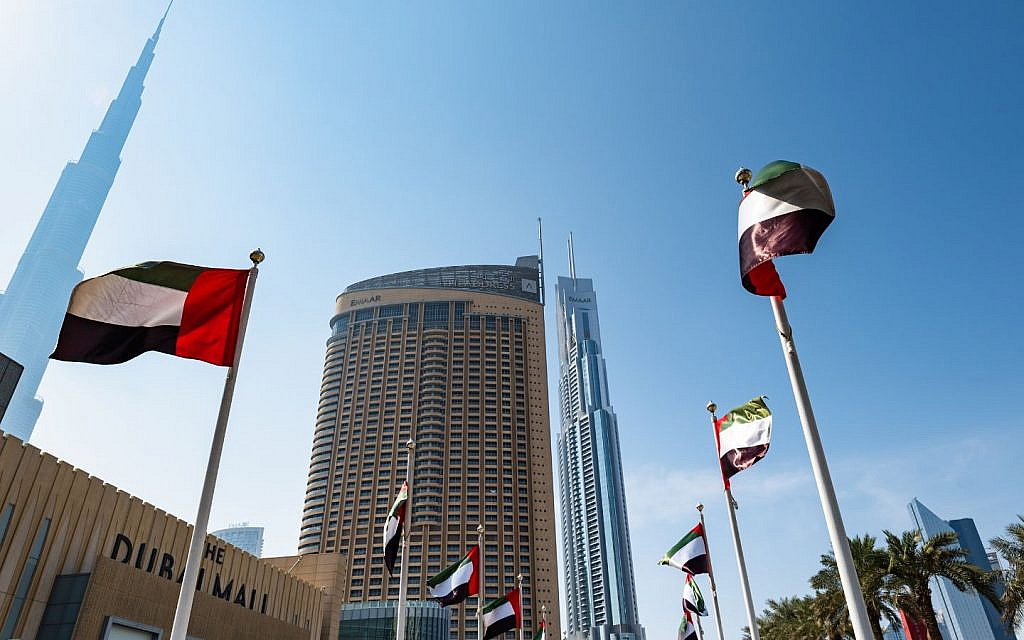
Once you’ve secured a job and accommodation, you may want to bring your family to Dubai. To sponsor your spouse and children, you’ll need:
- Passport copies of family members
- Photos
- Medical clearance for family members over 18
- Marriage certificate (attested)
- Employment contract and salary certificate (Proving sufficient income (minimum of AED 4,000 to AED 20,000 depending on whom you’re sponsoring).
- Registered tenancy contract
- Recent utility bill
The UAE is home to a large Filipino expat community, with many residing in the bustling cities of Dubai and Abu Dhabi. As a result, Dubai offers numerous amenities tailored to the Filipino population, making it easy to find familiar comforts. Moreover, you can also find family-friendly communities in Dubai. Some of the top places for families in Dubai are JVC, DSO and Palm Jumeirah. Also, if you are renting a property in Dubai, make sure you keep a tenancy contract checklist with you before signing a contract.
Dubai, a truly multicultural hub, boasts a diverse expatriate population where residents can immerse themselves in a rich tapestry of global cultures. The city’s vibrant, cosmopolitan atmosphere allows for meaningful cross-cultural interactions.
If you’re considering a move from the Philippines to Dubai, read on for a closer look at what life in this dynamic emirate has to offer.
Settling in Dubai as a Filipino Expat
The UAE is home to a large Filipino expat community, with many residing in the bustling cities of Dubai and Abu Dhabi. As a result, Dubai offers numerous amenities tailored to the Filipino population.
For those planning to move from the Philippines to Dubai, here’s an overview of what you can expect from life in this exciting city.
Getting Around Dubai
Dubai has excellent public transport, including the Dubai Metro and RTA buses. Taxis and ride-hailing services like Uber and Careem are also readily available. Alternatively, you can buy a used car for sale in Dubai, which involves additional costs like insurance and maintenance.
Education and Schooling
Dubai offers a wide variety of private schools and universities.
- Schools: Popular curricula include British, American and French systems. Tuition fees vary, with elite schools charging higher rates. International schools are the most common for expat families.
- Higher Education: The city is home to reputable universities like the American University in Dubai. A student visa is required to enrol in any university or college.
Lifestyle and Cultural Adaptation
Living in Dubai offers a mix of luxury and affordability. For Filipino expats, the city is home to a vibrant Filipino community. There are numerous Filipino supermarkets like Philippine Supermarket and Wow Pinoy where you can buy familiar foods and ingredients.
Dubai offers a wide array of dining and entertainment options, including Filipino food. Alcohol is only served in licensed venues.
English is widely spoken in the UAE, but Arabic is the official language. It might be worth considering learning some Arabic before moving there. One of the benefits of learning Arabic for expats in the UAE is that it enhances communication with locals, making everyday interactions smoother and more meaningful.
Cost of Living
While Dubai may be more affordable than global cities like New York or London, it’s essential to plan for living expenses. Accommodation, groceries and transport costs differ widely depending on the area.
- Food and Dining: While Dubai offers upscale restaurants, there are also many affordable eateries serving international cuisine, including Filipino restaurants.
- Leisure: Dubai is known for its malls, beaches, parks and entertainment options. You can balance high-end experiences with free or budget-friendly activities, such as exploring the city’s public parks or beaches.
Other Things to Consider Before Moving to Dubai from Philippines

Here are other practical things to consider when moving to Dubai, such as driving regulations, local customs, banking and communication options. These aspects are key to ensuring a smooth transition and a comfortable life in the UAE.
Driving
- If you plan to drive, you’ll need to convert your Philippine driver’s licence to an expat driving licence in Dubai or obtain a new one if your existing licence isn’t convertible.
- There are strict driving rules in the UAE, so ensure you’re familiar with local driving laws, such as seat belt usage and speed limits.
Legal and Cultural Considerations
- Dubai is a Muslim city and it’s important to respect local customs, such as dressing modestly in public areas and observing rules about public displays of affection.
- Alcohol is available in licenced establishments, but public intoxication is strictly prohibited.
Banking and Money Transfers
- Opening a bank account in Dubai is straightforward once you have your Emirates ID. Banks like Emirates NBD and Mashreq Bank offer various services for expats.
- For remittances to the Philippines, services like Western Union, Al Ansari Exchange and TransferWise are popular and reliable.
Telecommunications
- Apps like BOTIM and C’Me are legal alternatives to make voice and video calls to the Philippines, as VoIP services like Skype and WhatsApp calling are blocked in the UAE.
Financial Planning
- While Dubai offers excellent earning opportunities, it’s essential to plan for retirement or unforeseen expenses, especially since there’s no formal pension system for expats in the UAE.
OEC (Overseas Employment Certificate)
If you’re a Filipino working abroad, you must apply for an Overseas Employment Certificate (OEC) before returning to the Philippines for vacation or emergencies. The OEC acts as proof that you are a legal OFW (Overseas Filipino Worker) and allows you to leave the Philippines again without any issues.
FAQs
How long can a Filipino stay in Dubai?
The validity of the UAE Tourist eVisa is 60 days from the date of issuance. Once you arrive in the country, you can stay up to 30 days.
Why do Filipinos move to Dubai?
Filipinos move to Dubai for better job opportunities, higher salaries, tax-free income and a higher standard of living. Dubai’s thriving economy and large Filipino community also make it an attractive destination for work and career growth.
Are Filipinos visa-free in Dubai?
If you’re a Filipino citizen planning to travel to the UAE, you may wonder if a visa is required. Yes, Filipino passport holders do need a visa to enter the UAE. This visa permits entry for a specified duration, depending on the type of visa issued.
That’s a wrap on the checklist of moving to Dubai from the Philippines. Relocating from the Philippines to Dubai can be an exciting yet complex process. By understanding the visa requirements, preparing essential documents and securing accommodation. You can browse through the listings of properties for sale in Dubai and find a perfect place to live.
Also, make sure to carefully consider the pros and cons of moving to Dubai before making your decision.
Stay tuned to the dubizzle’s real estate blogs for more tips on moving to other parts of the UAE.