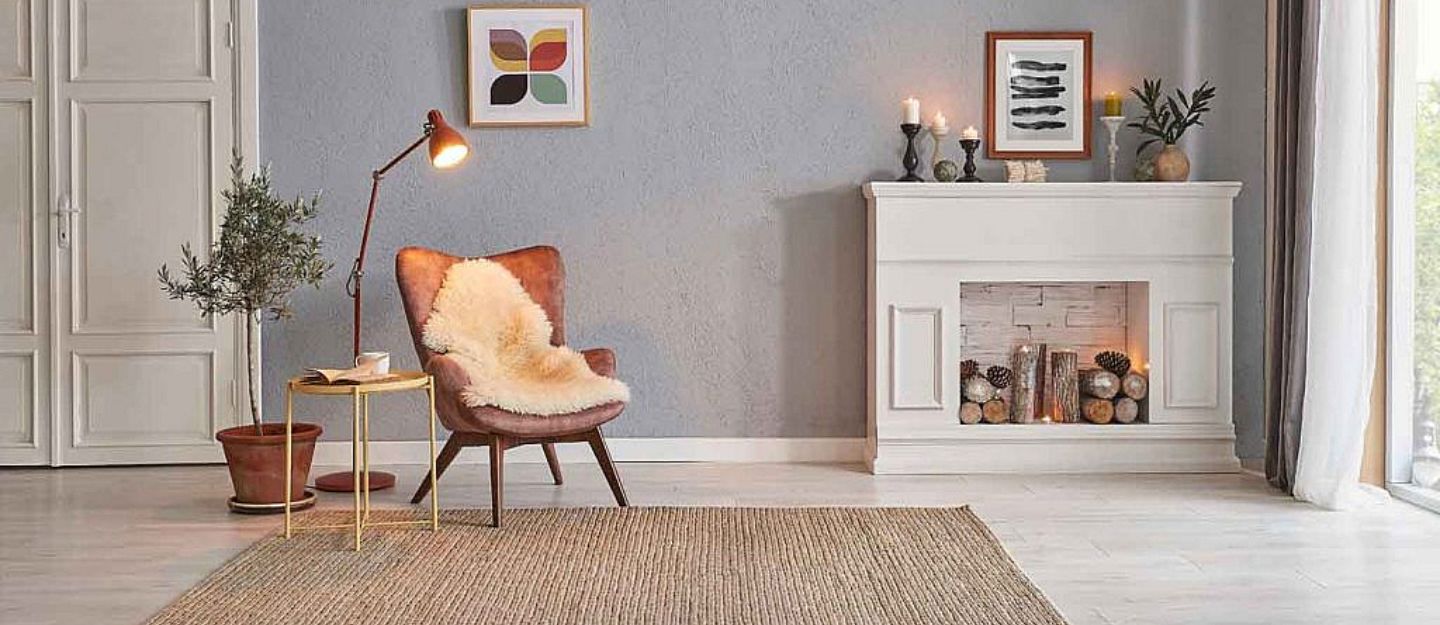
Leather couches and sofas are timeless pieces that bring elegance and comfort to any living space. Unlike fabric upholstery, genuine leather develops a natural patina over time, enhancing its appeal as it ages. With proper care and maintenance, you can maintain leather couches and sofas and ensure their durability.
Essential Tips to Maintain Leather Couches and Sofas
Leather is a natural material known for its strength and ability to develop a beautiful patina over time. However, exposure to sunlight, heat, moisture and everyday wear can cause leather to dry out, crack or fade. Proper tips to maintain leather couches and sofas help preserve their suppleness and appearance, extending the life of your leather furniture.
Clean Leather Couches and Sofas Regularly
Leather collects dust, body oils and airborne particles just like any other fabric, but unlike fabric, dirt can seep into its pores. Some of the best practices to keep leather couches lasting longer are:
- Dust weekly: Use a soft, dry microfiber cloth to remove dust and loose particles. Regular dusting also helps reduce allergens in your home.
- Wipe spills immediately: Leather can absorb liquids quickly. Blot spills with a clean, dry cloth to avoid stains.
- Use a damp cloth carefully: For routine cleaning, lightly dampen a cloth with distilled water and gently wipe the surface. Avoid soaking the leather.
- Avoid harsh chemicals: Do not use detergents, alcohol-based cleaners or abrasive materials that can damage the leather finish. Many people make similar mistakes in home care; these home maintenance mistakes highlight what to avoid.
Apply Leather Conditioner for Longevity
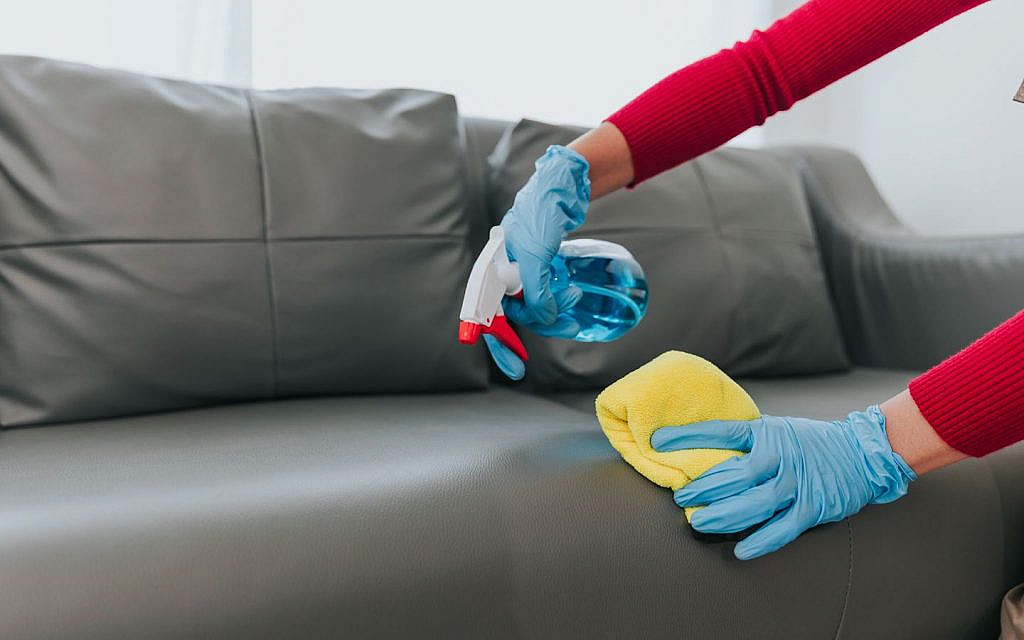
Leather needs to stay moisturised and conditioning prevents drying, cracks and peeling.

- Apply leather conditioner: Every 6 to 12 months, use a high-quality leather conditioner designed for your sofa’s specific leather type (aniline, semi-aniline or pigmented). This replenishes oils and maintains softness.
- Test first: Always test conditioner on a hidden spot to check for colour change or adverse effects.
- Follow manufacturer instructions: Use the recommended amount and application method for the best results.
Protect from Environmental Damage
Direct sunlight and heat are the biggest culprits behind faded, brittle leather. Prolonged exposure can cause discolouration and weaken the material.
- Avoid direct sunlight: Position your sofa away from windows or areas with strong sunlight to prevent fading and drying out. This is similar to protecting outdoor furniture from harsh conditions, where careful placement and covering extend the life of your pieces.
- Keep away from heat sources: Radiators, fireplaces or heating vents cause leather to dry and crack.
- Control humidity: Very dry air can dehydrate leather and too much moisture can encourage mould. Maintain indoor humidity between 40-60%.
Handle Spills and Stains Immediately
Leather is absorbent and delays in handling spills can cause permanent stains. Some of the immediate steps you can take to extend the life of a leather sofa and couch include:
- Don’t rub: Use a clean, dry cloth to soak up liquids.
- Oil/grease stains: For oil-based stains, sprinkle cornstarch or talcum powder and let it sit overnight before brushing off gently.
- Ink marks: Dab (don’t scrub) with a cotton swab dipped in rubbing alcohol — only on treated leather.
- Avoid pouring water: Don’t pour water on the stain or scrubbing, as this spreads the damage.
Rotate Cushions Regularly
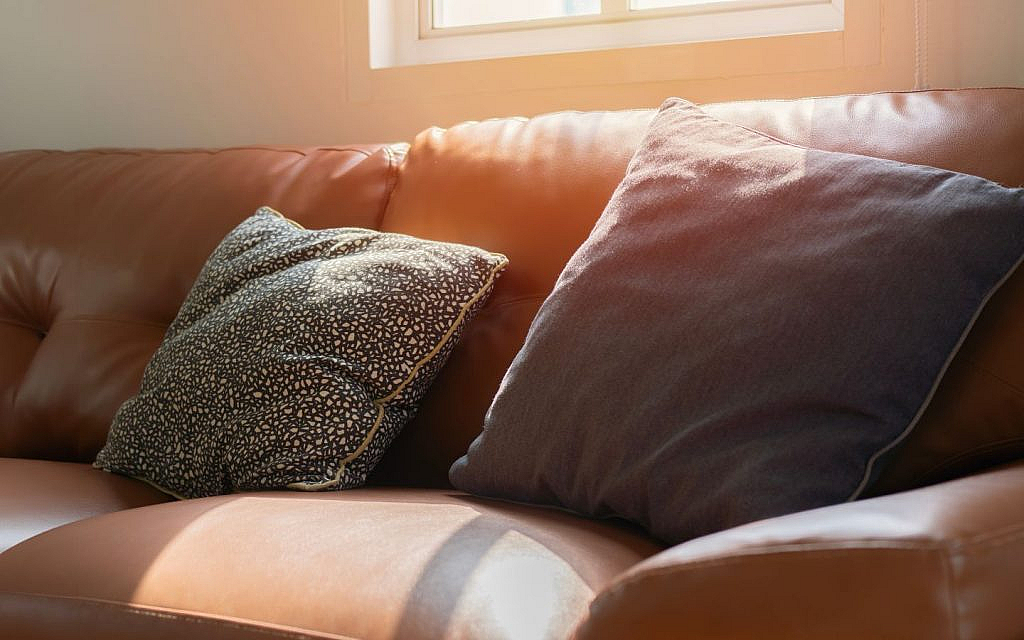
Consistent weight in one spot stretches leather and leads to sagging over time.
- Rotate cushions weekly: This prevents uneven wear on one side of the sofa.
- Swap cushions: Move them between high-use and low-use areas to balance pressure.
- Switch seating spots: Encourage family members to avoid sitting in the same place every time.
Prevent Scratches
Scratches are one of the most common issues with leather furniture, but a few simple habits can minimise the risk.
- Pets: Use pet-friendly throws or train pets to stay off the couch.
- Sharp objects: Empty pockets of keys, pens or coins before sitting.
- Children’s toys: Keep hard or sharp toys away from the leather surface.
- Use sofa covers: When hosting gatherings or for added protection, use covers to shield the leather.
- For minor scratches: Rub gently with a clean finger, the natural oils in your skin can reduce their appearance.
Schedule Professional Cleaning
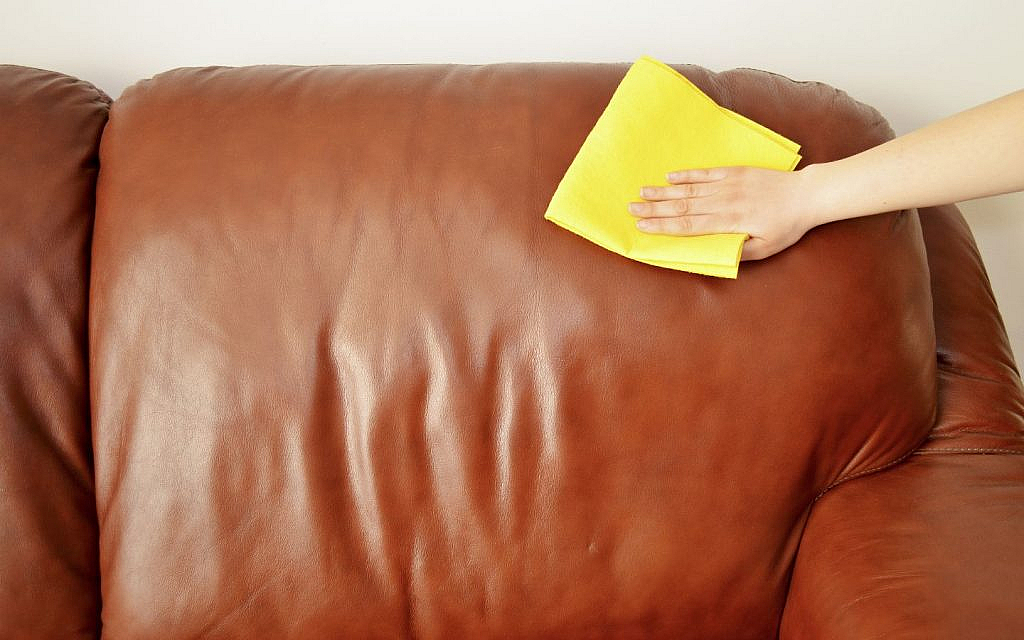
No matter how careful you are, professional care extends the life of a leather sofa and restores its original look.
- Schedule cleaning every 12–18 months: Like regular home maintenance fixes that prevent small issues from growing into major problems, consistent care of your leather furniture maintains its appearance and durability.
- Trust experts: Professionals use pH-balanced products and specialised equipment that go deeper than home cleaning.
- Restore and protect: Treatments can rehydrate leather, revive faded colour and add protective coatings.
FAQs
Can sunlight damage a leather sofa?
Yes, prolonged exposure to direct sunlight can fade leather and make it dry or brittle. Place your sofa away from windows or use blinds and curtains to protect it.
How often should I maintain a leather sofa?
It is best to dust your leather sofa weekly with a soft cloth and wipe it with a damp cloth every 1-2 months. Deep cleaning or conditioning should be done every 6 to 12 months, depending on usage.
Can I use regular household cleaners on my leather couch?
No, avoid using household detergents, alcohol or abrasive cleaners as they can damage leather. Always use specially formulated leather cleaners or mild, distilled water for cleaning.
What is the best way to remove stains from a leather couch?
Blot spills immediately with a dry cloth. For oily stains, sprinkle cornstarch or talcum powder and leave overnight to absorb the oil before gently brushing off. For persistent stains, consult a professional.
That’s a wrap on the essential tips to maintain leather couches and sofas. With consistent care and protection, your furniture can stay elegant and durable for years. Whether you’re buying sofas in the UAE or leather couches, understanding how to maintain them is essential.
If you’re thinking about upgrading not just your furniture but your entire living space, explore these properties for sale in the UAE and find a home that perfectly complements your style and comfort.
Stay tuned to dubizzle’s property blog for more home improvement practices.