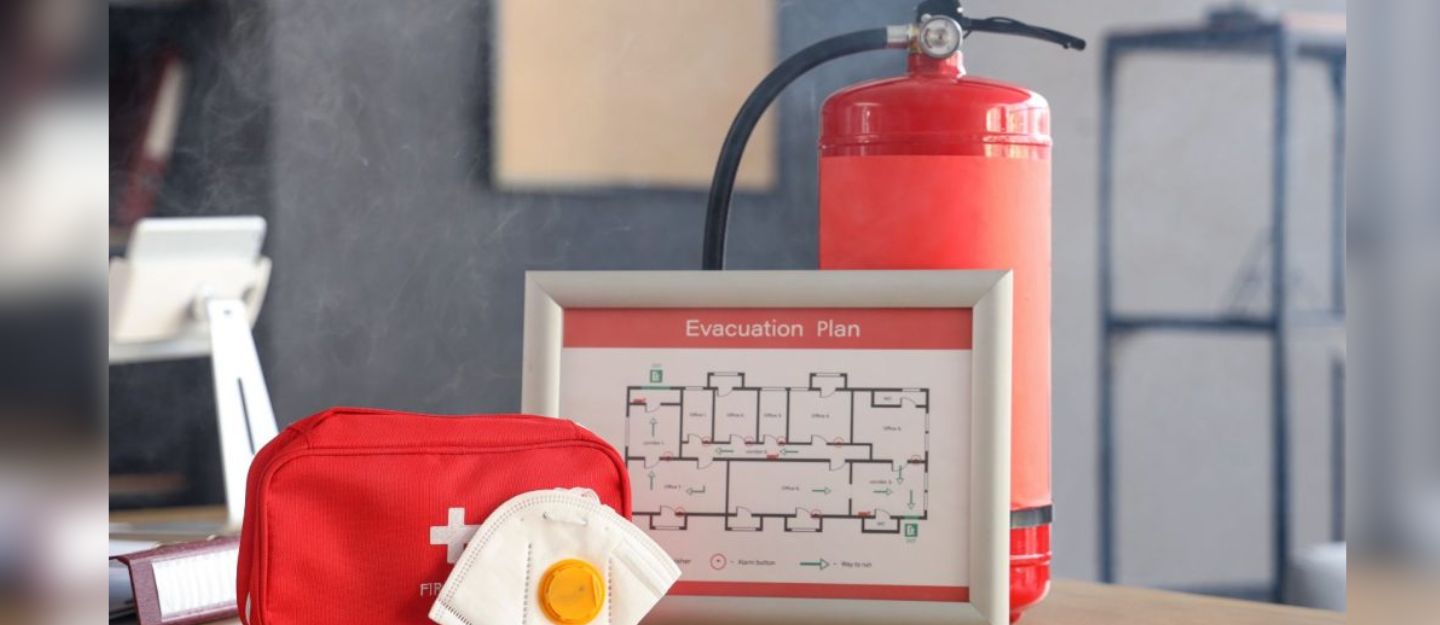
Building emergency awareness for kids at home helps children stay prepared for unexpected situations in any household. With age-appropriate guidance, they learn how to stay calm, think clearly and respond with confidence instead of panic. The focus should always remain on understanding and readiness rather than fear. Simple instructions given by parents and caregivers help children recognise different situations and learn the right steps to stay safe.
Why Emergency Awareness Matters for Children
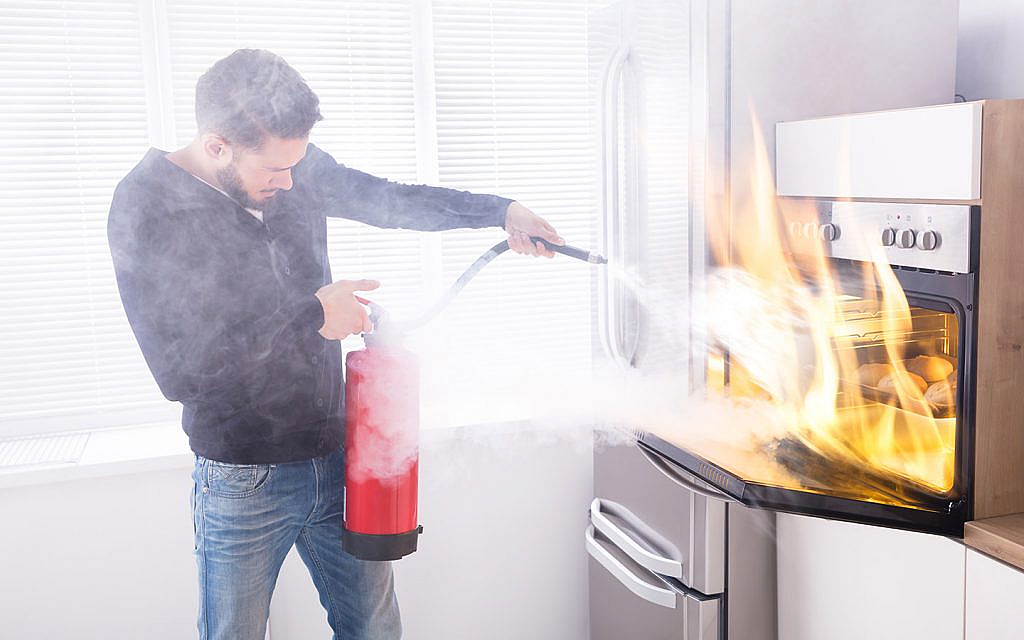
Children may struggle to interpret urgent situations and rely on adults for direction. Without preparation, they may react with confusion or panic.
Proper guidance helps children:
- Respond more calmly in unexpected situations
- Understand basic safety procedures
- Reduce risk during emergencies
- Avoid separation-related distress
- Seek help appropriately when needed
Emergencies may include fire, medical incidents, power failures or natural hazards. Clear preparation for kids’ emergency preparedness at home improves safety outcomes.
Understanding Hazards at Home
Children should be taught to recognise common risks in the home environment. Parents can also introduce a simple 5-minute home safety check to help children identify unsafe situations and build everyday awareness through regular observation.
These may include:
- Fire hazards such as stoves, matches and candles
- Electrical risks during power faults
- Water-related hazards during heavy rain or flooding
- Medical emergencies such as injury or sudden illness
Information should be shared in simple language appropriate to the child’s age to teach children emergency response skills efficiently. The focus should remain on awareness and safe behaviour rather than instilling fear.
Tips for Safety and Emergency Response Awareness for Kids
Learning about common home emergencies in an age-appropriate way can improve awareness, reduce panic and encourage safer decision-making. Parents and caregivers can introduce practical safety routines through regular discussions and simple practice activities.
Creating a Family Emergency Plan
A clear household plan helps children understand what to do during an emergency. Along with safety instructions, parents can also explain children how certain useful household items for emergencies may help during unexpected situations.
The plan should include:
- Designated safe meeting points inside and outside the home
- Clear evacuation routes from each room
- Emergency contact details for parents and trusted individuals
- Instructions for what to do if separated from caregivers
Regular practice is essential. Short rehearsals help children remember steps without confusion during real incidents.

Teaching Children How to Call for Help
Children should be taught how to contact emergency services when required.
They should know how to:
- State their name clearly
- Provide their location, including home address
- Explain the nature of the emergency
- Follow the instructions from the operator
- Remain on the line until told to disconnect
Role-play exercises can help reinforce learning. It should also be made clear that prank calls to emergency services are not permitted.
Staying Calm During Emergencies
Children should be taught basic emotional regulation techniques.
They should be encouraged to:
- Pause and take slow, steady breaths
- Listen carefully to instructions
- Follow the emergency plan step by step
Calm behaviour supports clearer thinking and safer decision-making.
Preparing an Emergency Kit
An emergency kit should be prepared at home with children involved in the process.
It should include:
- Drinking water and basic supplies
- A torch or flashlight
- Basic first aid items
- A comfort item such as a toy or book
Involving children helps them understand its purpose and location.
Basic First Aid Awareness
Children can be introduced to simple first aid depending on age.
They should learn:
- How to clean minor cuts
- How to apply basic dressings
- When to seek adult help immediately
School-age children may be introduced to basic awareness of CPR and choking response under supervision. The objective is awareness and early response rather than technical proficiency.
Fire Safety at Home

Fire safety is a fundamental part of emergency preparedness. Teaching children emergency response skills and prevention tips for home fire incident situations can help reduce risks and improve safety awareness within the household.
Children should be taught:
- Not to play with matches, lighters or candles
- To avoid fire hazards in the home
- To leave immediately if smoke or fire is detected
A basic escape plan should be practised regularly. This includes using exits safely and meeting at a designated location outside the home.
Making Learning Accessible for Children
Children learn more effectively through interactive methods.
Useful approaches include:
- Short role-play scenarios
- Simple visual guides and books
- Age-appropriate videos
- Repetition through regular practice
Learning should be consistent and reassuring rather than overwhelming.
Emotional Preparedness
Emotional readiness is as important as practical knowledge.
Children should understand:
- It is normal to feel worried during emergencies
- Help is always available
- Adults are trained to manage such situations
This supports resilience and reduces panic responses.
Emergency Numbers in the UAE
Children should be familiar with key emergency contacts in the UAE.
The main emergency numbers are:
- Police: 999
- Ambulance: 998
- Fire services: 997
Children should understand that these numbers are only to be used in genuine emergencies such as danger to life, serious injury or fire hazards.
Moreover, learning about the UAE’s hotlines for power and water emergencies can help families respond more quickly during unexpected utility issues, while also teaching children the importance of using emergency services responsibly.
FAQs
Why is it important to teach children emergency response skills?
It helps children stay calm, make safe decisions and respond correctly in situations where quick action can protect their safety and wellbeing.
How can parents teach kids what to do in an emergency?
Parents can teach through simple explanations, regular practice, role play and clear family emergency plans that children rehearse often.
What emergency numbers should kids know?
Children in the UAE should know these emergency numbers: 999 for police, 998 for ambulance and 997 for fire services.
Emergency preparedness for children is an essential part of home safety. When children understand what emergencies are and how to respond, they are more likely to act calmly and confidently.
In a well-structured and highly developed living environment such as the UAE, families also tend to think about long-term choices that support comfort and continuity at home. This naturally extends beyond daily safety habits and into planning for stable living spaces, which is why many consider properties for sale in the UAE when looking ahead to future family needs.
For more insights on homes, communities and property trends across the UAE, keep reading dubizzle property blog.