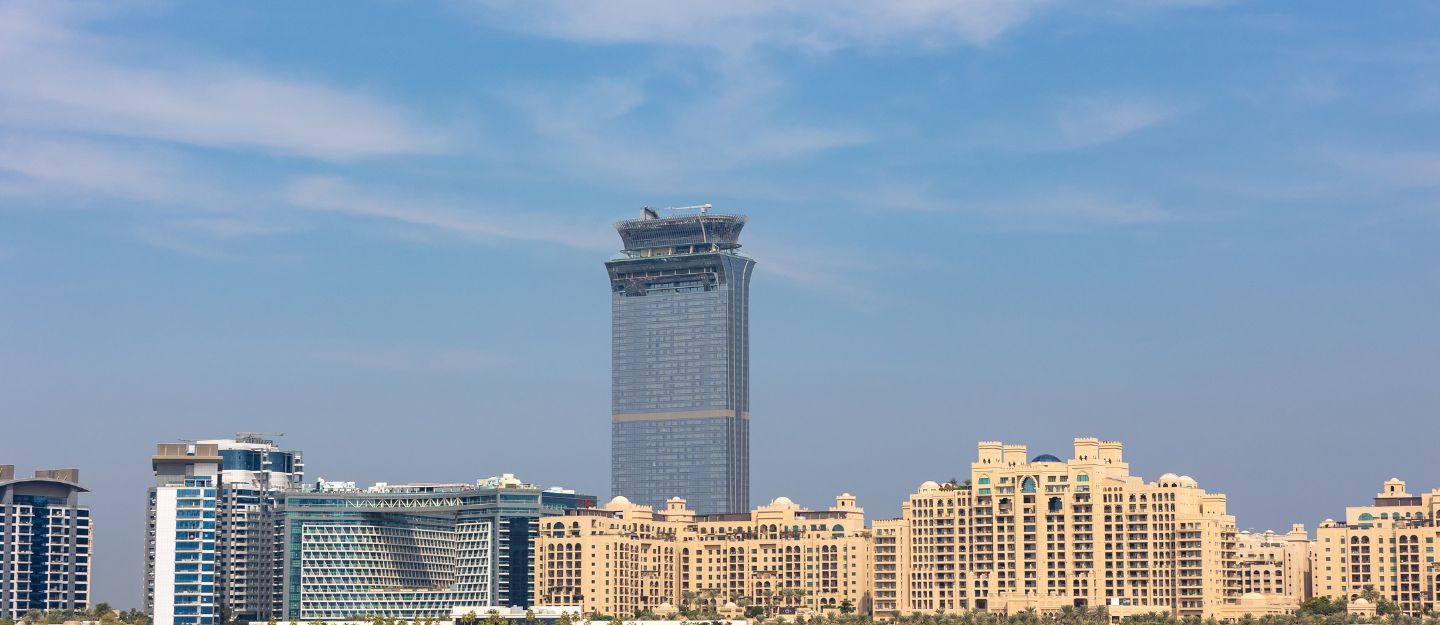
Dubai’s real estate market has long been an attraction point for investors looking to capitalise on its thriving tourism and business sectors. With an influx of visitors year-round, the hospitality real estate market, including hotel apartments, holiday homes and serviced residences, has gained significant attention. However, like any investment, there are both advantages and challenges to consider. Here’s a comprehensive look at the pros and cons of investing in Dubai’s hospitality real estate sector.
Introduction to Dubai’s Hospitality Market
Dubai’s hospitality market is characterised by its high demand for accommodations due to its thriving tourism and business sectors. The city’s strategic location and world-class infrastructure make it an attractive destination for tourists and investors. Dubai’s real estate market offers a diverse range of properties, from luxurious hotel apartments to spacious holiday homes in Dubai, catering to different investor preferences and strategies.
Pros of Investing in Dubai’s Hospitality Real Estate
Investing in Dubai’s hospitality real estate comes with numerous advantages, making it an attractive investment choice for both local and international investors. From tax-free benefits to high rental yields, the sector presents multiple opportunities for substantial returns.
Tax-Free Environment
One of the most significant advantages of investing in holiday homes in Dubai is its tax-free environment. Investors can retain 100% of the returns generated from their properties, as there are no capital gains or property taxes. This feature significantly enhances the profitability of investments in hotel apartments and other hospitality properties.
High Rental Yields
Dubai’s booming tourism sector ensures high occupancy rates for hotel apartments, leading to attractive rental yields. These yields are often higher than those of traditional residential properties, making hotel apartments a lucrative investment option. Holiday homes also benefit from this trend, especially during peak tourist seasons.
Fully Managed Properties

Hotel apartments typically come with comprehensive property management services, including cleaning, maintenance and guest services. This is particularly appealing to hands-off investors who prefer not to manage day-to-day operations themselves. While holiday homes may require more direct management, they offer the flexibility of self-management or hiring a property management company.

Flexible Ownership and Usage
Investors of UAE’s hotel apartments enjoy flexible ownership, with the option to use the property for personal vacations and rent it out when vacant. This dual approach allows for both personal use and income generation. Holiday homes offer similar flexibility, allowing owners to rent them out during peak seasons and use them personally during off-peak times. With effective marketing strategies, investors can also transform residential property into a holiday home, maximising rental income and occupancy rates.
Visa Benefits for Investors
Real estate investors in Dubai can qualify for long-term residence visas. Properties worth AED 750,000 or more can make investors eligible for a 2-year visa, while investments of AED 2 million or more qualify for a Golden Visa (10 years).
Growing Tourism and Government Initiatives
Dubai’s government actively supports the tourism and hospitality sector through initiatives like the Dubai 2040 Urban Master Plan, which aims to enhance tourism infrastructure. Additionally, the Dubai Tourism Strategy 2031 aims to attract 25 million tourists annually, further strengthening the market for hospitality real estate.
The Holiday Homes Law introduced by Dubai’s Department of Economy and Tourism (DET) makes it easier for property owners to legally operate short-term rentals in Dubai businesses.
Cons of Investing in Dubai’s Hospitality Real Estate
While Dubai’s hospitality market offers attractive investment opportunities, it is essential to consider the challenges that come with it. Investors must be aware of potential financial, regulatory and market risks before committing.
High Initial Investment
Investing in hotel apartments in Dubai often requires a significant upfront payment. While hotel apartments can be purchased with cash, financing options are limited, especially for existing properties. Holiday homes may offer more financing options, but the initial cost can still be substantial.
Regulatory Changes and Licencing Requirements
Investing in holiday homes requires compliance with Dubai’s short-term rental regulations. The DTCM mandates licensing, periodic renewals and quality standards. For instance, to rent a property in Dubai, property owners must:
- Obtain a holiday home permit from DTCM.
- Register with Ejari (the official lease registration system in Dubai).
- Pay an annual fee plus a tourism fee per room per night.
The cost of a holiday home license in Dubai generally includes an initial registration fee of around AED 1,520, plus AED 320 for the property inspection. Moreover, annual leasing fees range from AED 1,000 to AED 2,500 for apartments and AED 2,500 to AED 4,500 for villas. Ongoing costs such as renewal fees and service charges should also be considered when budgeting for a holiday home investment.
High Management Fees
Hotel apartments and serviced properties come with high management fees, which can be a burden if the property remains unoccupied for extended periods. However, these fees are manageable if the property is frequently rented out.
Dependence on Property Management Companies
Managing a hotel apartment or holiday home requires expertise in guest handling, maintenance and marketing. Many investors rely on professional management companies, which charge fees that impact overall returns.
FAQs
What are the advantages of investing in Dubai’s hospitality real estate market?
The advantages include high rental yields, fully managed properties, flexible ownership options and tax-free income on rental properties.
How does Dubai’s tourism industry impact returns on hospitality real estate investments?
Dubai’s tourism industry boosts rental income by creating high demand for short-term accommodations, supporting consistent occupancy rates.
How can investors mitigate risks when investing in Dubai’s hotel apartments?
A: Investors can mitigate risks by partnering with reputable developers and management companies and conducting thorough market research.
Investing in Dubai’s hospitality real estate presents lucrative opportunities, offering high rental yields, tax-free income and flexible ownership options. However, potential investors must carefully consider the high initial costs, limited financing options and management expenses associated with these properties.
With Dubai poised for continued growth, particularly with upcoming global events such as Expo 2030, the demand for high-quality accommodations remains strong. Investors who conduct thorough market research and adopt a long-term strategy can also maximise their returns and successfully navigate the evolving hospitality real estate landscape.
If you’re planning a visit to the Emirate soon, explore these short-term rentals in Dubai and enjoy the full comfort and convenience of a holiday home.
Stay tuned to the UAE’s favourite blog to learn more about investment opportunities in the Emirates.