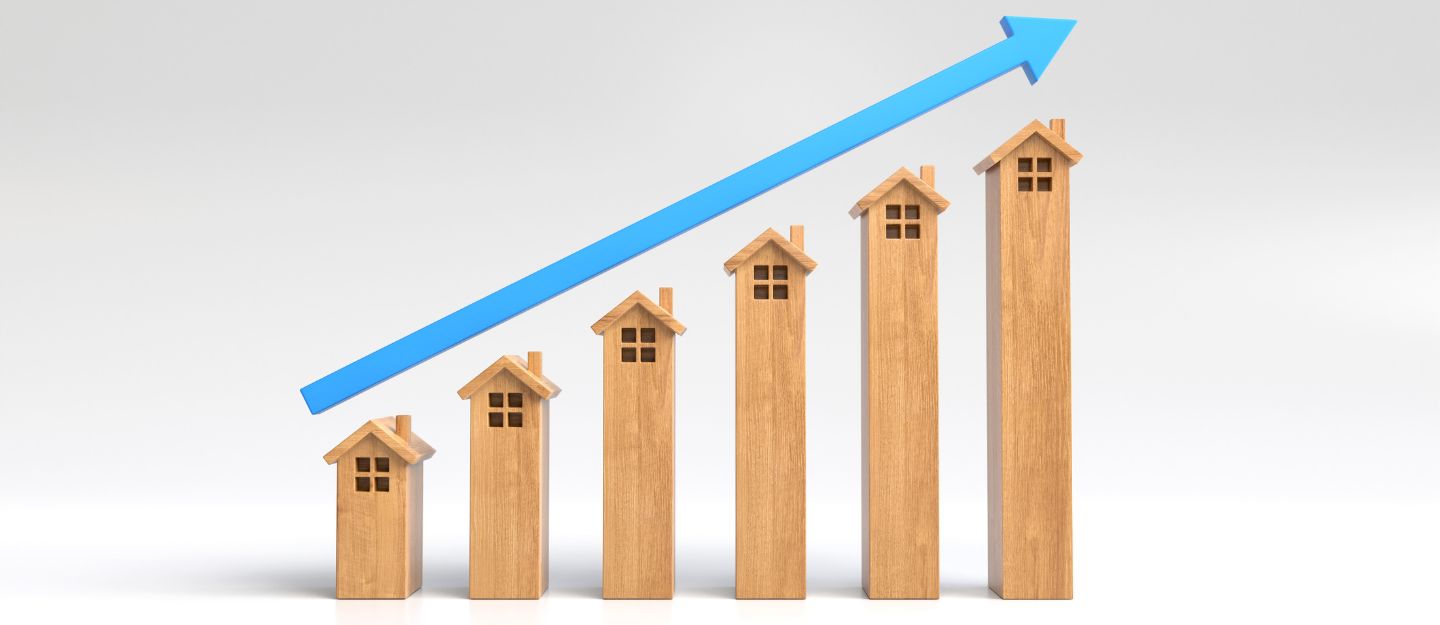
Inflation is considered one of the key factors shaping real estate markets, influencing everything from construction costs to mortgage rates. Globally, higher inflation often creates uncertainty, affecting buyers, tenants and investors alike. In the UAE, however, inflation has remained relatively low, projected at 1.5% in 2025 by the UAE Central Bank. Despite being lower, there are many impacts of inflation on the UAE’s real estate market, from rental income to property values.
UAE Property Market and the Impact of Inflation
The UAE remains one of the few countries with some of the lowest inflation rates. In fact, the UAE Central Bank has projected inflation at around 1.8% in 2026, significantly lower than many major global economies. Due to this relatively low rate, the impact of inflation on the UAE’s real estate market differs from trends observed in other parts of the world.
Rental Income Growth
In the UAE, inflation typically shifts only marginally, but rental trends often move in the same direction. Even a modest rise in inflation can translate into higher rents, lifting rental income across the market. For landlords, this works as a natural income escalator; rents can increase over time while other major costs remain constant. For example, dubizzle’s Annual Dubai Rental Market Report 2025 shows the average annual rent for apartments in Downtown Dubai reached AED 224,000 in 2025, following a 4.67% increase from 2024.


Property Value Appreciation
Property value appreciation is also one of the key impacts of inflation on the UAE’s real estate market. Similar to rental trends, property prices tend to rise gradually alongside inflation. This steady price growth, combined with continuous infrastructure development across the country, strengthens the appeal of real estate as a long-term investment asset.
Mortgage Affordability Edge
Stable inflation can also affect mortgage rates in the country, offering borrowers stability in the long term. Because inflation levels remain relatively stable, mortgage rates in the UAE tend to fluctuate lesser compared to markets with higher inflation. While the mortgage rates remain almost the same, the income per capita increases, making loan instalments more manageable for the borrowers. Moreover, the overall stabilised economy also affects the EIBOR rates in the UAE, keeping mortgage interest rates relatively controlled and predictable.
Foreign Investment Magnet
In contrast to many leading economies, inflation in the UAE has remained relatively controlled and stable. This stability reinforces the country’s position as an attractive investment destination, encouraging expats to continue investing in the UAE’s market. The economic stability helps protect capital from volatility and the long-term erosion of purchasing power.

FAQs
Does inflation increase property prices in Dubai?
The UAE’s housing market trends and inflation are connected, leading to a higher property value appreciation even with the slightest increase in the inflation rate.
How are rental prices affected by inflation in the UAE?
Rental prices and the inflation rate generally move in the same direction. Even the slightest change in the inflation rate can increase the rental trends in the market.
Is real estate a good hedge against inflation in the UAE?
Real estate is often considered a reliable hedge against inflation in the UAE. Property values and rental income tend to rise over time, helping investors preserve purchasing power while generating steady returns.
These are some of the core impacts of inflation on the UAE’s real estate market. With inflation remaining relatively low, its impacts are positive, helping to underpin steady rental growth, protect asset values over the long term and keep borrowing conditions comparatively predictable. All of this combined makes buying property in the UAE an attractive investment opportunity for both local and international investors.
Stay connected to dubizzle’s property blog to learn about rental yield trends in the UAE.
![Every home has a story. Every story has a next step.
From your first key to the place you’ve always dreamed of, dubizzle Property is there for every move along the way.
Find your next moment with dubizzle Property .
لكل بيت حكاية، ولكل حكاية خطوة جديدة.
من البدايات الأولى إلى اللحظات التي تحلم بها، دوبيزل للعقارات تساعدك في العثور على المكان الذي يناسب كل مرحلة من حياتك.
اعثر على مكانك القادم مع دوبيزل للعقارات.
[dubai property, dubai real estate, dubai apartments, finding a home in dubai, dream home dubai, property in dubai, uae real estate, dubizzle property, dubai homes, luxury properties dubai]](https://www.dubizzle.com/blog/property/wp-content/plugins/instagram-feed/img/placeholder.png)