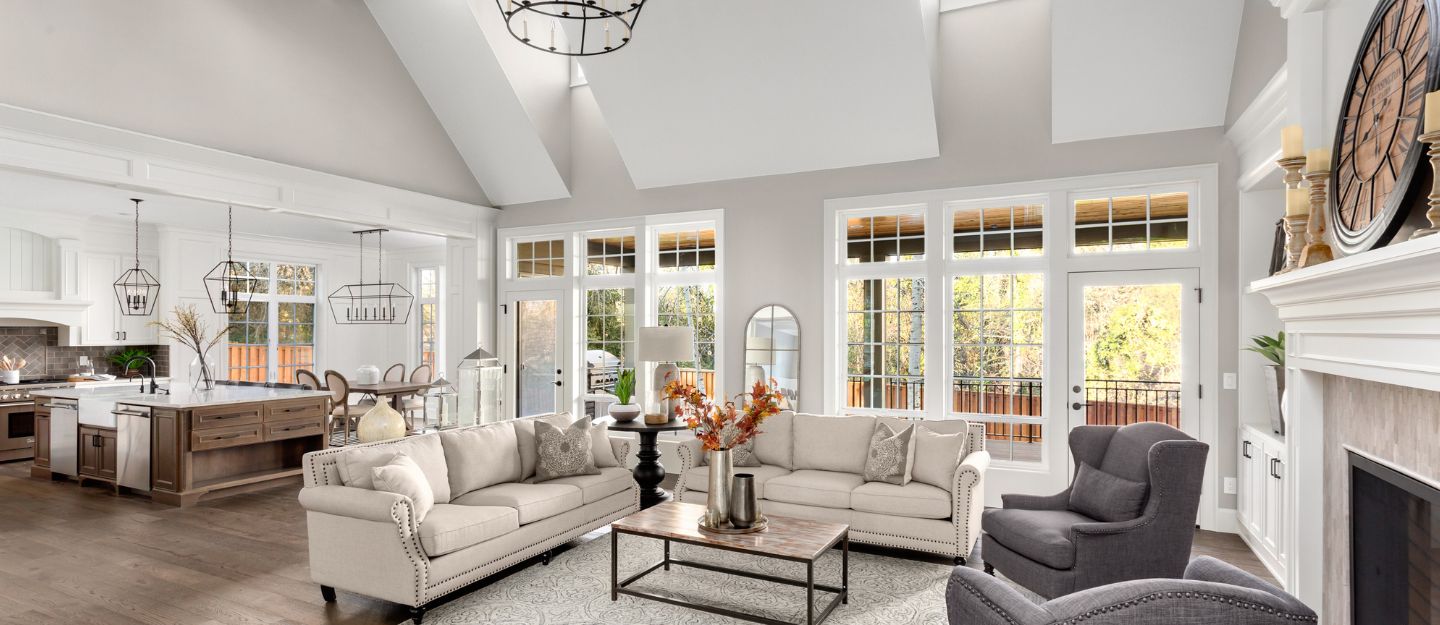
When it comes to selling a home, first impressions aren’t just important – they’re everything. In a world where buyers scroll through listings in seconds, your property needs to stand out instantly. That’s where home staging comes in. It’s not just about fluffing pillows or setting the dining table; it’s a strategic makeover that turns the house into a market-ready masterpiece. The process also involves rearranging, decorating and repainting to showcase the property at its best.
What Is Home Staging?
Home staging is the process of decorating and preparing a home for sale to appeal to the highest number of potential buyers. The goal is to highlight a property’s strengths, minimise its flaws and create an inviting atmosphere that allows buyers to picture themselves living there.
In addition, staging goes beyond basic cleaning or decorating. It involves furniture arrangement, lighting, artwork and colour schemes, all chosen to attract and emotionally connect with buyers. While some sellers hire professional stagers, others take the DIY route using online resources and inspiration.
Why Home Staging Matters?

Home staging helps buyers see the full potential of a space when buying a property in the UAE. When a home is clean, well-lit and thoughtfully arranged, it feels more inviting. Staging highlights the best features of the property, like natural light, spacious layouts, or modern updates and helps buyers imagine themselves living there. This emotional connection can make a big difference in how quickly they make an offer.
In today’s competitive real estate market, staged homes tend to sell faster and often for a higher price. Good staging makes the listing stand out in photos and during in-person showings. It removes distractions and creates a fresh, neutral look that appeals to a wider range of buyers. Simply put, home staging can turn a good impression into a great offer.
Benefits of Home Staging
Here are some benefits of home staging.
1. Faster Sales
A well-staged home stands out in listing photos and during showings, capturing buyer interest quickly. Homes that are visually appealing often move off the market faster than their unstaged counterparts.
2. Higher Offers
Staged homes are perceived as more valuable and well-maintained. This perception can lead to stronger offers and in some cases, even bidding wars.

3. Highlights Key Features
Home staging draws attention to a property’s best features, whether it’s an open or closed kitchen, high ceilings, natural lighting or hardwood floors. Staging minimises distractions that might otherwise detract from these highlights.
4. Creates a Neutral Canvas
Buyers have varying tastes and preferences. A staged home uses neutral, universally appealing décor that helps buyers imagine their belongings in the space, rather than being distracted by the seller’s personal style.
The Home Staging Process
Home staging is a detailed process with a series of steps. They are outlined below:
Step 1: Declutter
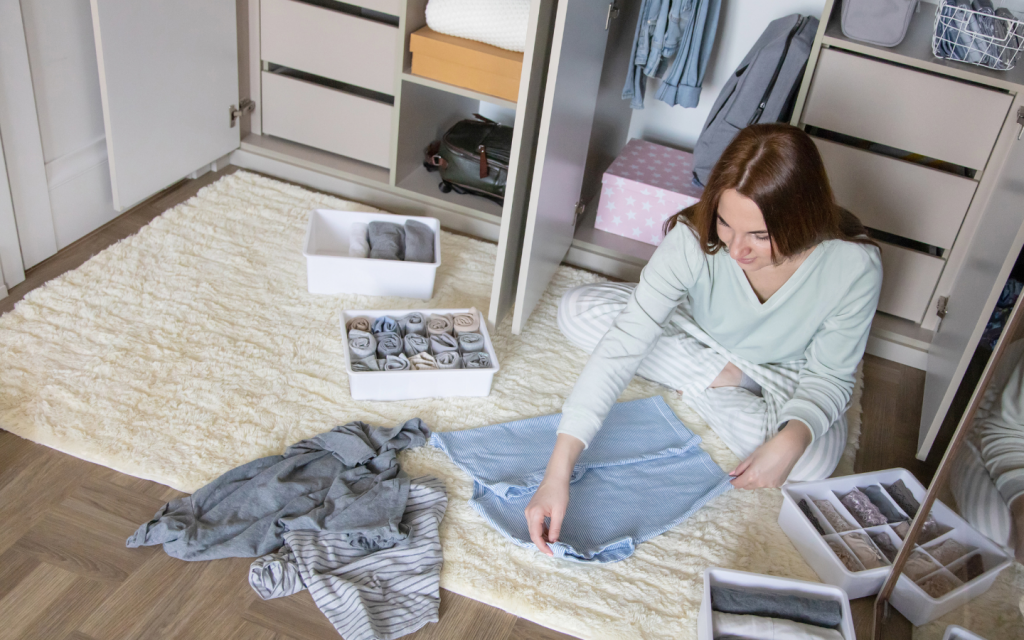
The first rule of staging is: less is more. Remove excess furniture, personal items and knick-knacks. A clutter-free home appears larger, cleaner and more inviting.
Step 2: Deep Clean
Deep clean your home, including carpets, windows, baseboards and appliances. A spotless home signals that it has been well-maintained.
Step 3: Depersonalise
Take down family photos, children’s drawings, or anything that ties the space specifically to the current owner. Buyers need to imagine themselves living there instead of the existing family.
Step 4: Rearrange Furniture
Use furniture to define spaces and enhance flow. Avoid blocking pathways or windows. Sometimes, removing or replacing pieces can make a room look bigger and more functional. For arranging furniture in smaller spaces, use a focal point and make use of walls to give a spacious view.
Step 5: Neutralise the Colour Palette
For some buyers, bold colours can be polarising. Use soft, neutral tones like beige, taupe or light grey for walls and accessories. This element of interior design makes rooms feel calm, modern and spacious.
Step 6: Add Light and Warmth
Good lighting is key. Maximise natural light and add floor or table lamps where necessary. Consider adding cosy elements like throw pillows, area rugs or a bowl of fresh fruit in the kitchen.
Step 7: Curb Appeal
Don’t forget the exterior. First impressions begin at the curb. Mow the lawn, plant fresh flowers, repaint the front door and ensure the entryway is tidy and welcoming to increase the home’s curb appeal.
DIY Vs Professional Home Staging
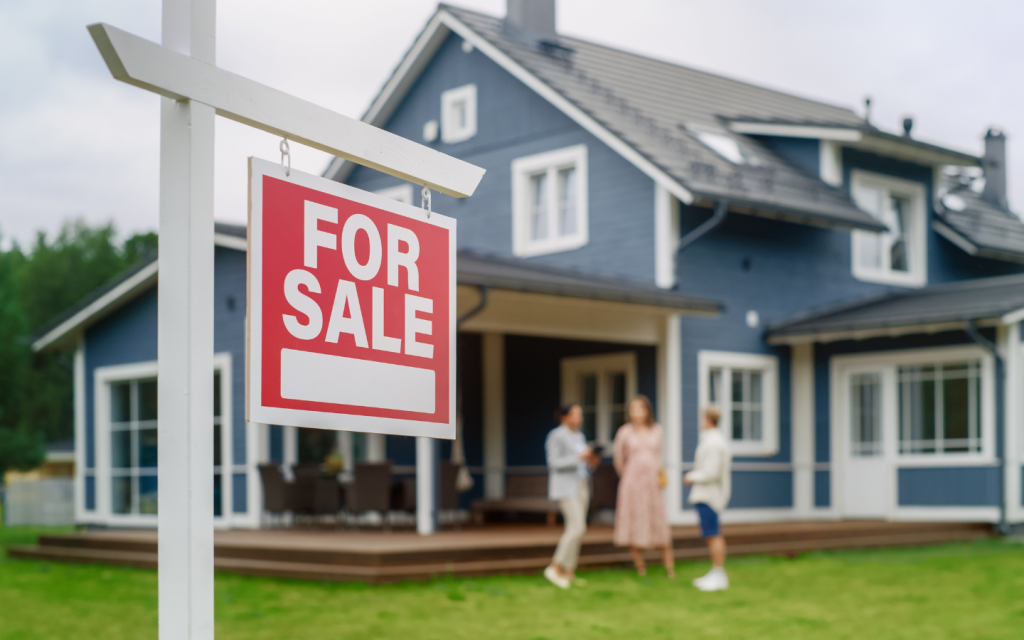
While many sellers opt to stage their homes themselves, they can also get it done professionally. Hiring a home staging company in Dubai or any other emirate can bring a fresh, objective perspective and a touch of design expertise.
You can stage your home yourself if you enjoy decorating and have a sound sense of design. DIY home staging works well when the space is already clean, well-maintained and doesn’t need major updates. It’s also a great option if you’re on a budget and willing to put in the time and effort to make the space look its best.
However, hiring professional home staging services can be a smart move if the home is empty, dated or you’re not sure how to present it well. A pro brings experience, a fresh perspective and helps the home stand out, especially in a competitive market. It’s also ideal if the seller is short on time and wants to make the strongest impression possible. Fortunately, there are many professional interior designers and architects in Dubai and other cities that sellers can turn to for assistance.
Virtual Staging: A Modern Alternative
With the rise of digital tools, virtual staging has become a popular and cost-effective option, especially for vacant homes. This method is ideal for online listings, virtual home tours and costs significantly less than physical staging, though it won’t have the same impact during in-person showings.
Home staging is more than a trend; it’s a proven strategy that can enhance a property’s appeal and drive better sales results. Whether you go the DIY route or hire a professional, the goal remains the same: make the home irresistible to buyers.
Room-by-Room Staging Tips
Here are some staging tips for each part of your home.
Living Room
- Arrange furniture to create cosy conversation areas.
- Step up the home decor with mirrors to reflect natural light and make the room feel larger.
- Decorate the coffee table with a few books or a simple centrepiece.
Kitchen
- Clear countertops of appliances and everyday clutter.
- Set the dining table with neutral dishes and placemats.
- Add a small plant or a bowl of fruit for a cheerful pop of colour.
Bedrooms

- Use neutral bedding and place matching lamps on each nightstand.
- Organise and declutter closets to showcase storage space.
- Remove any unnecessary furniture to make the room feel more spacious.
Bathrooms
- Display fresh, neatly folded towels and simple decorative items.
- Make sure all surfaces and fixtures are spotless and shiny.
- Place a scented candle or diffuser to keep the room smelling fresh.
FAQs
What is meant by home staging?
Home staging is the process of preparing and decorating a home to make it more appealing to potential buyers.
What is the difference between home staging and interior design?
Home staging is meant to make a home attractive to potential buyers, while interior design is about creating a personalised, functional space for living.
Can I stage my home myself without professional help?
Yes, you can stage your home yourself with some basic design tips, a bit of effort and attention to detail.
That is all on the tips and tricks alongside the basics of home staging. The process is quite helpful, aiding in selling a home faster, bringing in a pool of potential buyers.
Besides, if you are looking for a place to settle in the Emirates, check out these rental properties in the UAE that offer a plethora of listings under different budgets.
To learn more about selling or buying properties in the UAE, keep reading dubizzle’s real estate blog.