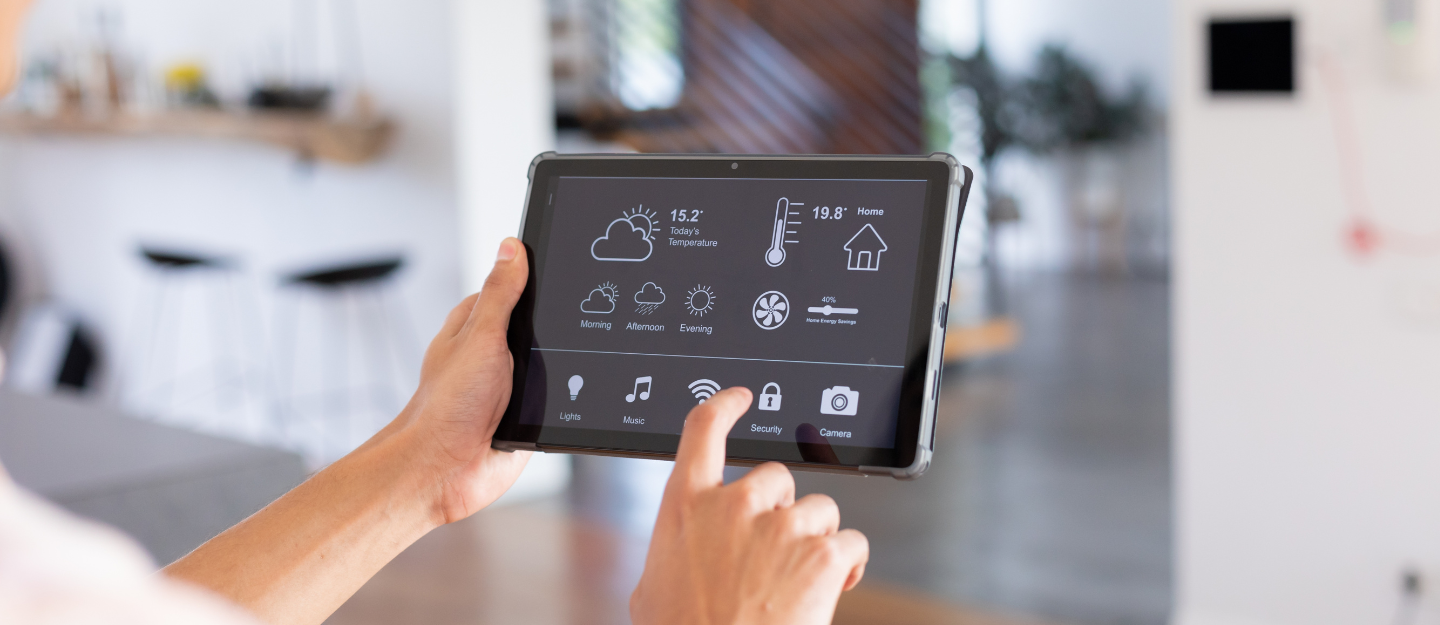
Technology has reshaped modern living, turning ordinary houses into smarter, more efficient spaces. A smart home doesn’t mean filling every corner with futuristic gadgets; it’s about choosing devices that make life easier, safer and more efficient. Moreover, you don’t need to be tech-savvy or spend a fortune to start building a smart home. With a few simple steps, you can begin building a connected home that fits your lifestyle and budget.
A Beginner’s Guide to Smart Homes
Here is a series of simple steps to build a smart home:
Do Research and Set a Budget
Before investing in smart home technology, it is crucial to conduct thorough research. The market offers a wide variety of brands, ecosystems and price ranges and not all devices are universally compatible. Reviewing product details, checking compatibility and identifying the features most relevant to your needs will help make informed decisions and avoid unnecessary expenses.
Budgeting also plays a key role in creating a smart home. While the latest gadgets may be appealing, building a smart home does not need to be costly. Affordable options such as smart plugs and bulbs are a sound starting point, with more advanced devices added over time.
Start with Smart Lighting
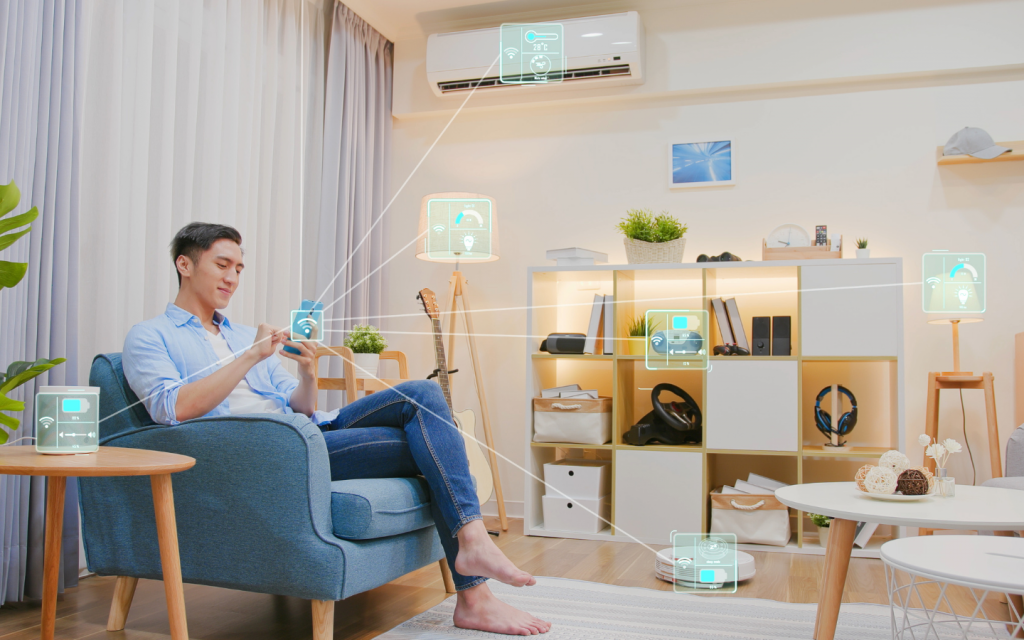
Smart lighting is often the first step people take toward building a smart home and for good reason. Replacing a traditional bulb with a smart one instantly gives you control through your phone or a voice assistant. You can turn lights on or off without getting up, set the brightness or change colours, making these fixtures easy ways to create a smart home.
Another option is installing smart switches or dimmers if you prefer to keep your existing bulbs. Smart lighting also saves energy and helps create an eco-friendly home. You can program lights to turn off automatically when a room is unoccupied or set schedules that align with natural daylight. Over time, these small changes add up to reduced DEWA bills and a greener lifestyle.

Upgrade the Home Security
Smart devices make home security simple and reliable. A video doorbell allows you to see and talk to visitors from your phone, while smart cameras offer both indoor and outdoor monitoring, complete with motion alerts and live streaming. These features help stay aware of what’s happening around the home, even when you’re away.
Smart locks and home security solutions add both safety and convenience. Homeowners can unlock doors with a code, fingerprint, or app and even give guests temporary access.
Add Smart Thermostats
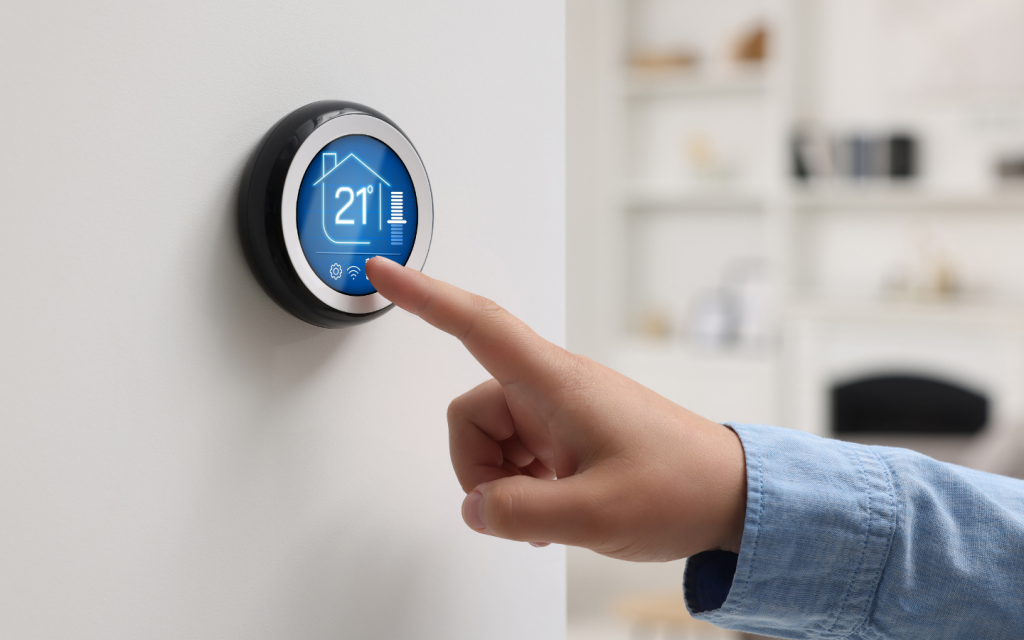
A smart thermostat improves home comfort and energy savings. It learns your daily routine, adjusting the temperature automatically so the space stays warm or cool when needed while reducing energy use when the occupants are away. Many models also allow remote control through a mobile app, making it easy to manage settings from anywhere.
Some smart thermostats go beyond temperature control by offering energy reports, which help you track and lower the costs. Advanced options even monitor humidity and air quality, keeping the home environment comfortable and healthy year-round.
Install Voice Assistants
Voice assistants often serve as the central hub and are one of the easy ways to create a smart home. They connect multiple devices into one system, allowing easy control through simple voice commands instead of juggling several apps. From turning off lights to playing music, they make daily tasks effortless.
Beyond home automation, these assistants provide useful services like checking the weather, reading calendars, setting reminders or even shopping online. Over time, they have become essential household tools, offering ample convenience.
Smarter Entertainment Systems
Entertainment is one of the most enjoyable applications of smart home technology. Smart TVs and streaming devices simplify access to platforms, often with the added convenience of voice-enabled remotes that allow shows to be found instantly. In addition, smart speakers enhance the music experience by enabling multi-room audio or creating personalised playlists for different family members.
Smart Appliances for Everyday Tasks
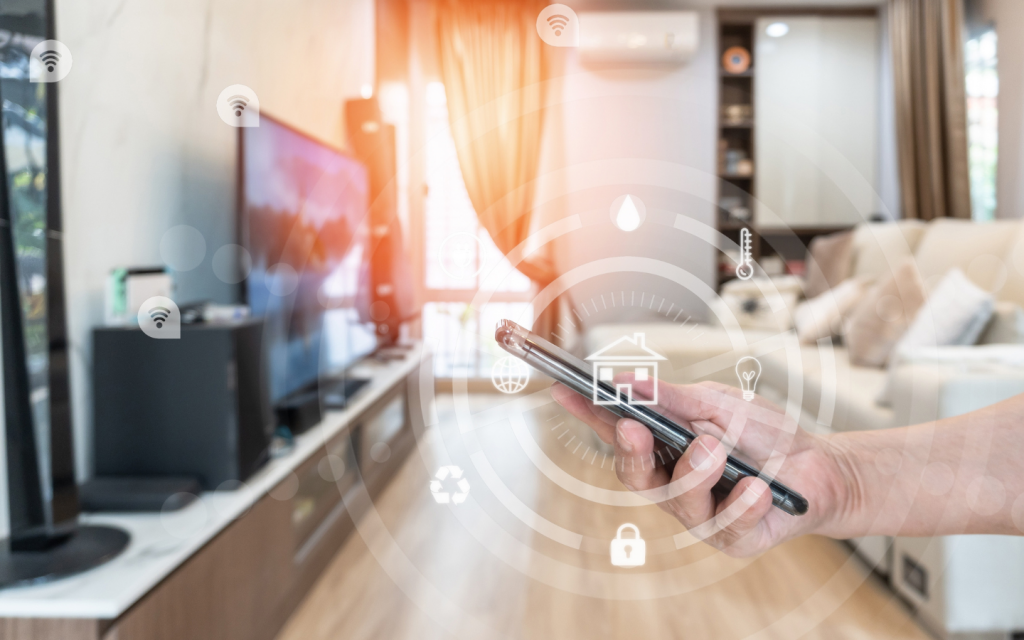
Smart appliances bring everyday convenience without requiring major investments. A simple smart plug can transform ordinary devices, like different home lighting designs or coffee makers, into remotely controlled tools that can be scheduled with ease.
In the kitchen, Wi-Fi coffee makers, smart ovens and connected refrigerators simplify routines by preparing food in advance or helping track groceries. Robot vacuums are also popular, quietly maintaining a clean home while residents focus on other priorities, adding efficiency to daily life with minimal effort.
Energy Monitoring and Automation
Smart technology is also one of the easy ways to create a smart home as it supports sustainability and energy savings. Devices such as smart power strips or plugs help eliminate phantom energy consumption by cutting power when appliances are not in use. Over time, this leads to significant reductions in electricity bills.
Energy monitoring systems further assist by providing insights into which devices consume the most power. Coupled with automation routines like turning off lights, lowering thermostats and locking doors at bedtime, these features streamline daily living.
Take It Step by Step
Creating a smart home does not need to happen all at once. Starting small with a device such as a smart bulb or plug allows users to gradually explore the technology. As comfort grows, additional gadgets can be added to build a more complete system.
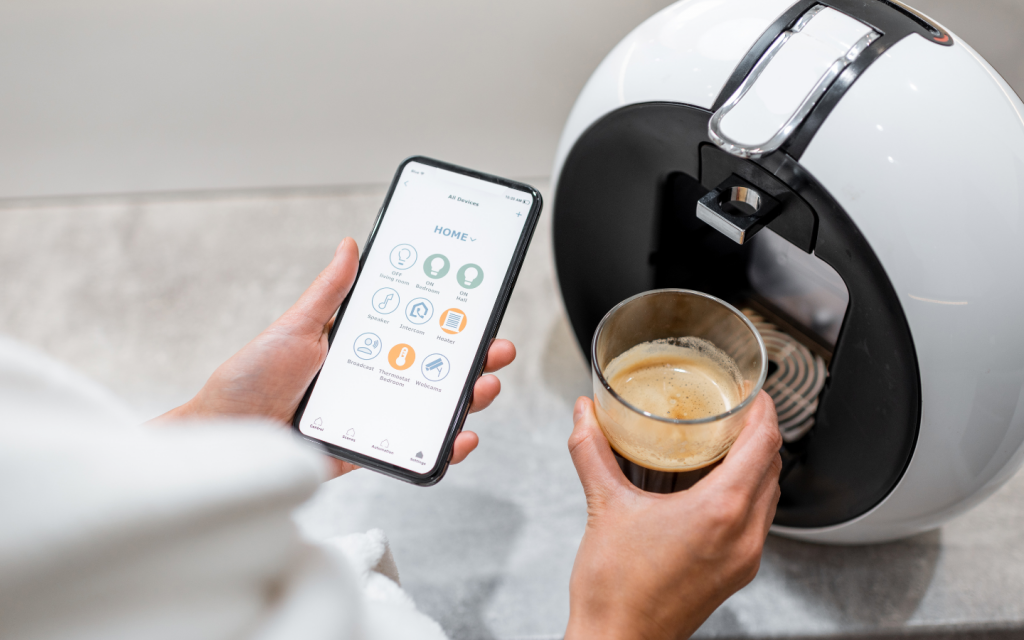
Apart from smart home tips and tricks, compatibility should be considered early. By choosing carefully and expanding slowly, homeowners can design a setup that fits their lifestyle, ensuring a connected and efficient home over time.
FAQs
Which smart home devices are best for beginners?
Smart plugs, smart bulbs and video doorbells are some beginner-friendly devices for starting a smart home.
Are smart thermostats worth it for energy savings?
Yes, smart thermostats are worth it as they adjust heating and cooling efficiently, helping reduce energy bills over time.
What defines a ‘smart’ home?
A smart home is a living space equipped with technology that allows devices to communicate, automate tasks and be managed through apps or voice control.
These were some easy ways to create a smart home. Whether you live in a villa or a rental apartment in the UAE, you can transform your home with these few simple steps. The aforementioned methods will help you achieve an eco-friendly space and help save on electricity bills.
To learn more about eco-friendly homes and their benefits, keep reading dubizzle’s real estate blog.