The UAE is home to multiple free zones, each offering different facilities, licensing options, ownership structure and industry-specific advantages. Choosing the right free zone is an important step when setting up a business, as it can influence operations, costs and growth. From location to business activities, several factors should be considered when choosing a free zone in the UAE.
Factors to Consider When Choosing a Free Zone in the UAE
The following are some key things to consider when choosing a free zone in the UAE.
Business Activity and Licence Compatibility
Free zones in the UAE are often developed around specific industries, offering facilities and services tailored to businesses operating in the sector. For instance, Dubai Internet City is designed to support technological hubs and other related businesses. While other businesses may also establish operations, choosing a free zone that aligns with the business can support smoother operations and future expansion.
Location and Accessibility
The location and accessibility of a free zone in Dubai or other emirates can influence the business operations, logistics and overall expenses. For businesses involved in manufacturing and exporting products, free zones near airports or ports, such as Jebel Ali Free Zone (JAFZA), are ideal, as it provides easy access to international trade routes. On the other hand, service-based businesses may benefit from free zones located closer to major business districts.

Types of Available Properties
Another thing to consider when choosing a free zone in the UAE is the type of properties available. Each free zone offers different types of property; for instance, Khalifa Economic Zones Abu Dhabi (KEZAD) offers pre-built warehouses and serviced land plots, while Creative City Fujairah offers different types of offices.
Set Up Cost and Operational Expenses
The setup and operational expenses are major financial considerations when establishing a business in a free zone. Businesses are required to account for various costs, including trade licence fees, registration charges, office space and other operational expenses. Costs vary depending on the free zone and licence type. For example, starting a business in the Dubai free zone can roughly cost between AED 12,000 and AED 20,000.
Visa Requirements and Ownership Structure
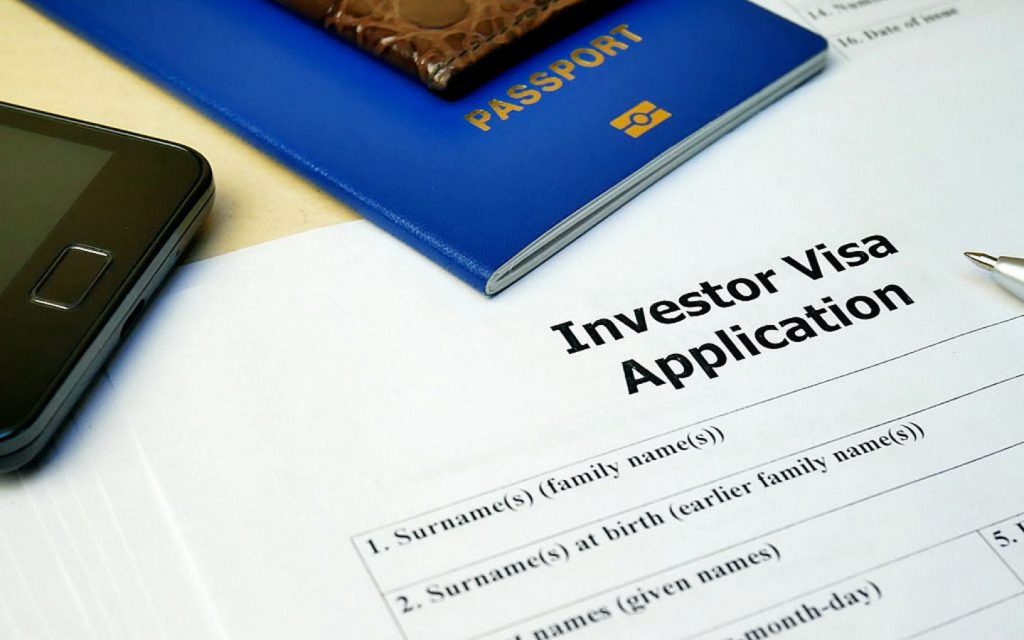
Free zones in the UAE generally offer 100% foreign ownership, allowing expats to buy properties in the country. However, visa eligibility and allocation limits vary between free zones. Some determine visa availability based on office space, while others consider factors such as company size, business type and licence. Therefore, it is recommended for businesses to review visa requirements when choosing a free zone.
Expansion Flexibility and Future Growth
Another critical factor to consider when choosing free zones in the UAE is the expansion flexibility and growth opportunities. Businesses should consider whether the free zone can accommodate expansions, such as increasing office space, adding new activities and obtaining additional visas. Selecting a free zone with scalable facilities can help businesses adapt to changing needs and requirements.
Regulatory Requirements and Compliance Support
Most of the free zones in Abu Dhabi, Dubai and other emirates operate under their own laws and regulations. Before finalising the free zone, it is recommended for businesses to verify the regulatory requirements in contrast with their business practices to avoid compliance issues.
FAQs
How do I choose the best free zone for my business activity?
Choose a free zone that aligns with your business activity, licence requirements, location preferences and operational needs. Consider factors such as facilities, costs, visa options and expansion opportunities before making a decision.
Why is compliance important when selecting a free zone?
Compliance ensures that the business meets the legal, licensing and regulatory requirements of the selected free zone. It also helps avoid penalties and supports smooth business operations.
How does a free zone affect corporate banking and account opening?
The selected free zone can influence banking requirements, documentation processes and the ease of opening a corporate account. Businesses should check the banking support and requirements offered by the free zone.
Can I change my free zone after registering my company?
Yes, businesses can move to another free zone, but the process depends on the regulations of both free zones. It may require cancelling the existing licence, registering a new company or completing necessary approvals.
These are some of the factors to consider when choosing a free zone in the UAE. Free zones are specialised business hubs that offer favourable tax policies, industry-focused facilities and opportunities for business growth. These dedicated zones provide companies with access to relevant infrastructure and the opportunity to buy commercial property in the UAE while benefiting from business-friendly regulations.
Stay tuned to dubizzle’s property blog to learn how to apply for a free zone licence.