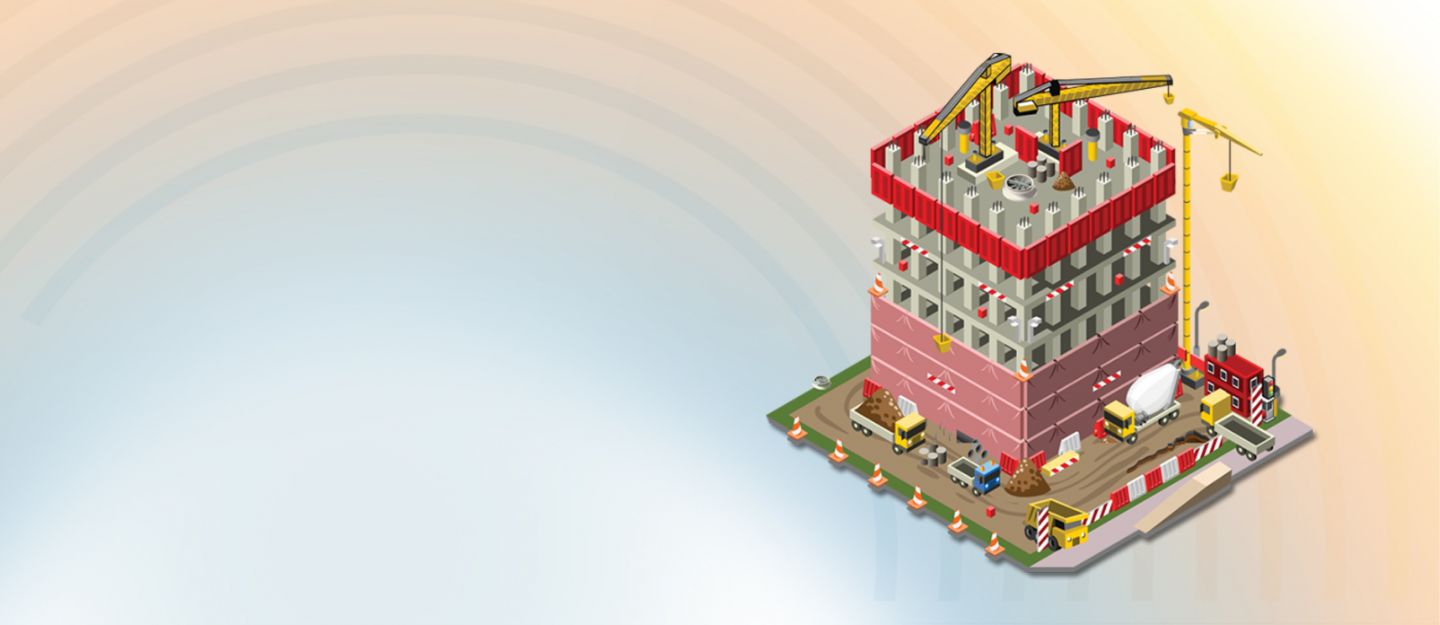
Building retrofits have become a key part of the UAE’s energy efficiency and sustainability plans. Government strategies, industry initiatives and market studies have all highlighted the importance of upgrading existing buildings to improve energy performance. These building retrofits in the UAE align with the country’s building sector, long-term energy reduction plans and climate goals.
Background & Objectives
Buildings consume nearly 70% of electricity in the UAE, making them a central focus for energy reduction efforts. The Dubai Demand Side Management (DSM) Retrofit Programme aligns with the Dubai urban master plan for 2040 and aims to retrofit 30,000 buildings by 2030. Abu Dhabi, Ras Al Khaimah and Sharjah have also set their own targets for public and private buildings under their energy strategies.
The Emirates Green Building Council (EmiratesGBC) created the Energy Efficiency Programme to drive these efforts. Initiatives like the Retrofit Training Programme and technical guidelines have been developed to equip professionals with the required knowledge and to standardise retrofitting practices across the country.
Definition of Deep Retrofits
Deep retrofits go beyond simple upgrades like lighting or HVAC replacements. A deep retrofit involves integrated measures across the entire building system to reduce energy use by at least 50%. This includes insulation, improved airtightness, window replacements and advanced controls.

In contrast, shallow retrofits focus on low-cost, quick-return measures, while deep retrofits target long-term energy efficiency and operational improvements.
Benefits of Retrofitting Buildings

Retrofitting buildings in the UAE is an essential step towards energy efficiency and sustainability.
Significant Energy Savings
Retrofitting helps cut electricity consumption in buildings, especially when combined with renewable options like solar energy for homes in the UAE. The energy-efficient retrofits in the UAE can reduce energy use by over 50% when all systems are upgraded together. Many projects have already achieved savings between 21% and 40%, directly reducing the electricity demand in a country where buildings consume nearly 70% of total power.
Lower Operating Costs
Reduced energy consumption leads to direct cost savings for owners and tenants. Sustainable building retrofits in the UAE can achieve payback periods within a short to medium timeframe. These long-term savings help recover the initial investment while controlling operating expenses for large commercial or residential properties.
Higher Property Value and Market Appeal
Retrofitted buildings often perform better in terms of comfort, lighting and indoor air quality. Modern systems and improved insulation can affect the property’s value and make it more attractive to tenants or buyers.
Environmental Impact Reduction
Upgrading systems reduces greenhouse gas emissions and supports sustainable city projects in the UAE and the Net Zero by 2050 strategy. As buildings are among the largest contributors to energy-related emissions, large-scale retrofits help cut the environmental impact of the construction and real estate sector. This supports the nation’s broader climate commitments and sustainability goals.
FAQs
How does technology help in retrofit construction projects in the UAE?
Modern retrofits use building management systems, smart sensors and AI-based energy monitoring tools.
How does the UAE retrofit building solutions impact indoor air quality?
Upgrades like advanced ventilation systems, high-quality filters and well-sealed building envelopes enhance indoor air quality and thermal comfort.
How long does a typical deep retrofit project take to complete?
Project duration depends on building size and scope. While small projects may finish in 3–6 months, large-scale deep retrofits for commercial properties in the UAE can take 12–18 months.
Retrofitting buildings in the UAE plays a key role in energy efficiency and sustainability. It reduces electricity use, lowers operating costs and improves indoor comfort. Government programmes, technical guidelines and growing awareness help align the building sector with the nation’s long-term environmental and economic goals.
As retrofitting efforts expand, the real estate sector sees continuous innovation. This has added variety to properties for sale in the UAE, especially in key residential and commercial areas.
For more information on the latest developments, visit the UAE’s leading property blog.
Cover image credits: dubaisce.com