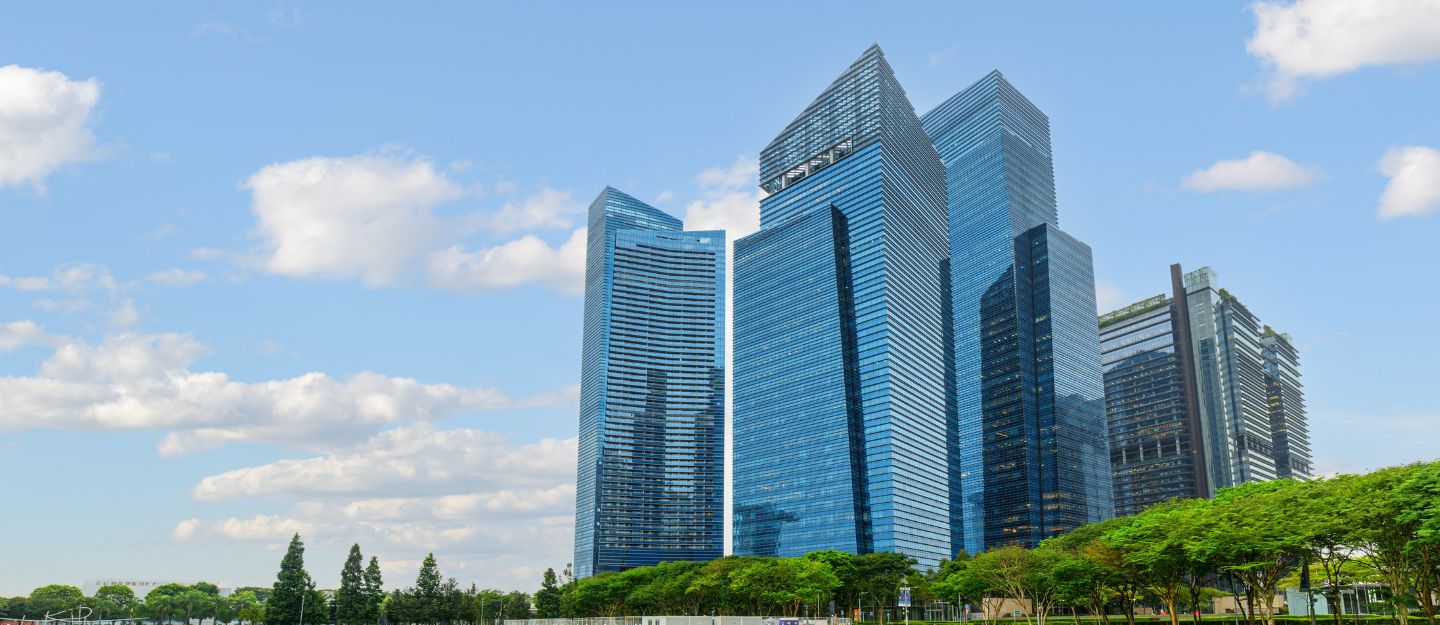
High-rise developments in Dubai are incorporating modern technologies to enhance comfort, efficiency and sustainability. One solution gaining widespread adoption is district cooling in high-rise developments. By providing centralised air conditioning for multiple buildings, district cooling offers a smarter and more sustainable alternative to traditional air conditioning systems.
District Cooling Explained
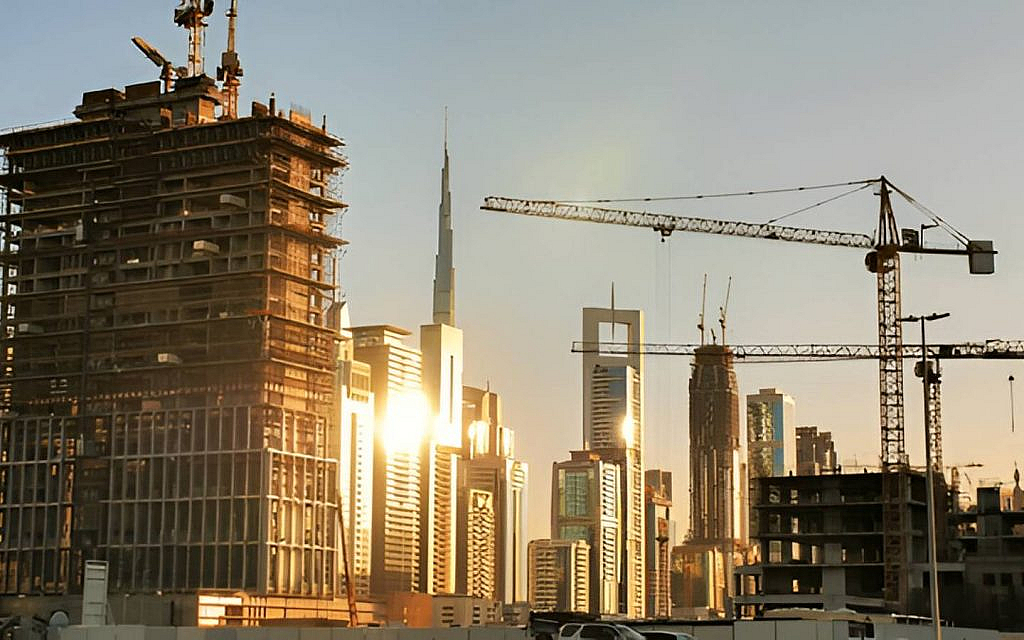
Dubai is home to mega-projects towering hundreds of metres, reflecting the city’s sustained economic growth, strong investor confidence and increasing demand for modern urban lifestyles. These developments require infrastructure capable of supporting ultra-high-rise environments while meeting energy efficiency and sustainability goals. This is where district cooling systems step in.
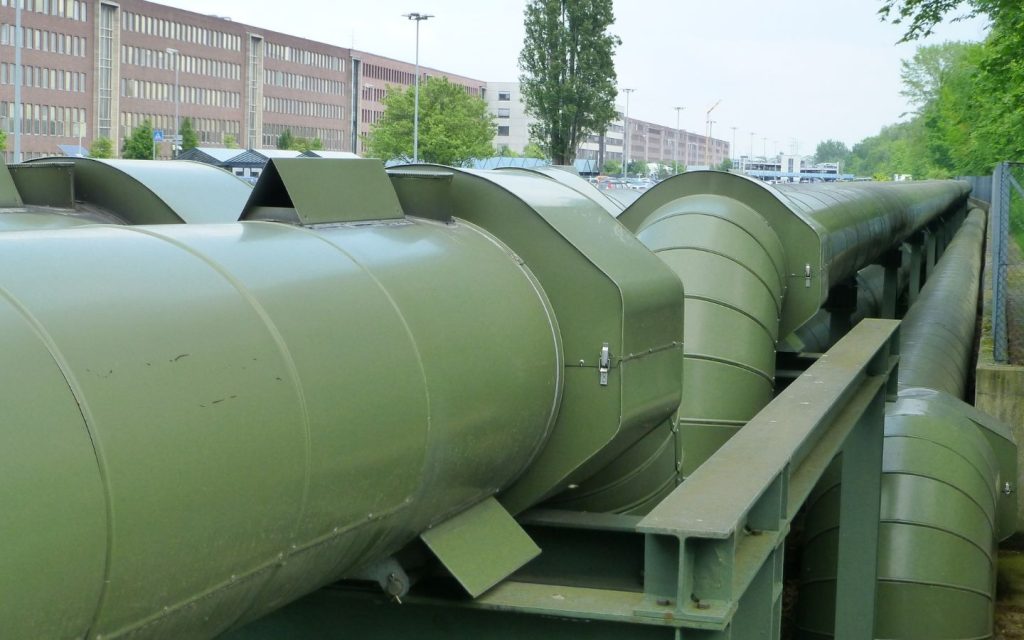
District cooling systems in high-rise buildings provide chilled water from a central plant through insulated pipelines to multiple towers or buildings. Naturally, this eliminates the need for individual cooling units in every apartment or office, providing consistent comfort while reducing energy consumption.
In Dubai, district cooling is widely implemented by providers such as Emirates Central Cooling Systems Corporation (Empower) and Emirates District Cooling Company (Emicool), which supply cooling services to several major residential and commercial developments across the city.
Advantages of District Cooling in High-Rise Towers
District cooling plays an important role in Dubai’s strategy for vertical development. It offers an efficient, eco-friendly alternative to conventional air-conditioning, especially suited for dense, mixed-use developments in the UAE’s climate. Key benefits include:

1. Energy Efficiency and Cost Savings
Unlike standalone air conditioning, district cooling in UAE developments operates at higher efficiency, serving multiple buildings simultaneously. Centralised systems minimise energy waste, leading to lower electricity bills for developers and residents alike.
2. Environmentally Friendly Solution
By reducing electricity demand and integrating with sustainable energy sources, district cooling contributes to greener building practices. In Dubai high-rise projects, this translates to a smaller carbon footprint and alignment with the city’s sustainable development goals.
3. Space Optimisation
High-rise towers often face space limitations. Using district cooling for residential high-rises frees up space previously allocated for large chiller rooms. Naturally, this allows for more usable floor area for apartments, amenities or offices.
4. Consistent Cooling Performance
Centralised systems ensure uniform temperature and humidity across all connected buildings. Compared with traditional AC units, district cooling vs traditional air conditioning offers a more reliable and consistent indoor environment.
5. Reduced Maintenance Needs
Maintenance for individual AC units can be costly and disruptive in high-rise developments. With district cooling systems in high-rise buildings, maintenance is centralised at the plant, minimising operational interruptions and long-term costs.
6. Supports Smart and Sustainable Urban Planning
Dubai’s ambitious urban strategies emphasise energy efficiency and smart infrastructure. District cooling in Dubai high-rise projects aligns with these goals, promoting sustainable building practices and modern, efficient urban design.
7. Enhances Property Value
High-rise towers equipped with district cooling are often seen as premium, eco-friendly properties. Energy savings, reduced maintenance and sustainability benefits make these developments more attractive to tenants, investors and buyers. Those looking, can explore these popular apartments with district cooling in Dubai.
FAQS
Is district cooling more cost-effective than traditional AC for high-rise buildings?
Yes. Centralised systems reduce energy waste and operational costs, making district cooling in high-rise developments more cost-efficient over the long term.
Can district cooling be integrated into existing high-rise developments?
Retrofits are possible if the building has sufficient infrastructure for chilled water distribution, though planning and investment are required.
Does district cooling contribute to Dubai’s sustainability goals?
By reducing energy consumption and carbon emissions, district cooling supports Dubai’s initiatives for sustainable and smart urban development.
What is the difference between district cooling and chiller-free air conditioning systems?
There is a major difference between district cooling and chiller-free air conditioning. The former uses a central plant to supply chilled water to multiple buildings, while chiller-free systems (like split or VRF units) operate independently within each building or unit.
Adopting district cooling in high-rise developments delivers clear benefits, from energy efficiency and environmental sustainability to space optimisation and cost savings. This is why the use of district cooling is a practical solution for many modern urban projects.
Moreover, those looking to invest in energy-efficient developments can go through these sustainable off-plan projects in Dubai.
Stay tuned to dubizzle’s property blog for more insights on sustainable development, building technologies and real estate trends.
![It’s live!
TruEstimate™ Alerts are now on dubizzle.
Get monthly updates on your property’s estimated market value, straight to your inbox.
Stay informed. Stay ahead. Explore TruEstimate™ Alerts via the link in bio!
ابقَ على اطلاع بقيمة عقارك.
تنبيهات TruEstimate™ متاحة الآن على دوبيزل، لتصلك تحديثات شهرية حول القيمة التقديرية لعقارك مباشرةً إلى بريدك الإلكتروني.
ابقَ على اطلاع، واكتشف تنبيهات TruEstimate™ عبر الرابط في البايو!
[dubizzle UAE, dubizzle Dubai, Real estate, buy and sell UAE, Property]](https://www.dubizzle.com/blog/property/wp-content/plugins/instagram-feed/img/placeholder.png)