Housing needs are changing as homeowners look for more flexible ways to use their property. One option that has gained attention in recent years is the Accessory Dwelling Unit (ADU). These secondary living spaces can serve multiple purposes, from accommodating family members to creating additional living space within an existing property. Understanding how ADUs work, the different types available and the key benefits and considerations for homeowners can help when exploring ways to make better use of available space.
What Is an Accessory Dwelling Unit (ADU)?
An Accessory Dwelling Unit (ADU) is a secondary residential unit located on the same property as a primary home, providing independent living space while sharing the same lot. Learning about ADUs can also help when exploring different types of property in the UAE. They show how homeowners can creatively use space to add value or accommodate additional residents.
ADUs usually include their own kitchen, bathroom, living area and private entrance. However, they often rely on the primary home’s utility connections, such as water and electricity.
Although an ADU operates as an independent living unit, it typically cannot be sold separately from the main home because both structures belong to the same property.
Common examples of ADUs include:
- A basement apartment
- A converted garage
- A small backyard cottage
- An in-law suite attached to the main house
- An apartment built above a garage
ADUs are also known as granny flats, in-law suites, backyard cottages, accessory apartments or secondary dwelling units.
Why Homeowners Build ADUs
Homeowners build ADUs for several practical and financial reasons. One of the most common motivations is to create additional living space without purchasing another property.
Some typical uses include:

Housing family members
ADUs can provide private living space for elderly parents, adult children or other relatives while allowing them to remain close to the main household.
Generating rental income
Many homeowners rent out ADUs to long-term or short-term tenants, creating an additional source of income.
Flexible living arrangements
An ADU can serve different purposes over time. For example, it may start as a guest house and later become a home office, studio or rental unit.
Increasing property value
Additional living space may make a property more attractive to potential buyers.
Common Types of Accessory Dwelling Units
ADUs come in many shapes and sizes. Their design depends on the property layout, zoning rules and the homeowner’s goals.
Attached ADU Addition
This type is built as an extension of the main house. It shares at least one wall with the primary residence and usually connects easily to existing utilities.
Garage Apartment ADU
A garage apartment can be created by converting an existing garage or building a living unit above it.
Basement ADU
Basement conversions are a common option. They transform an existing basement into a self-contained apartment with its own entrance and living space.
Internal ADU
An internal ADU is created by converting part of the main home, such as a section of the ground floor or lower level, into a separate living unit.
Detached ADU
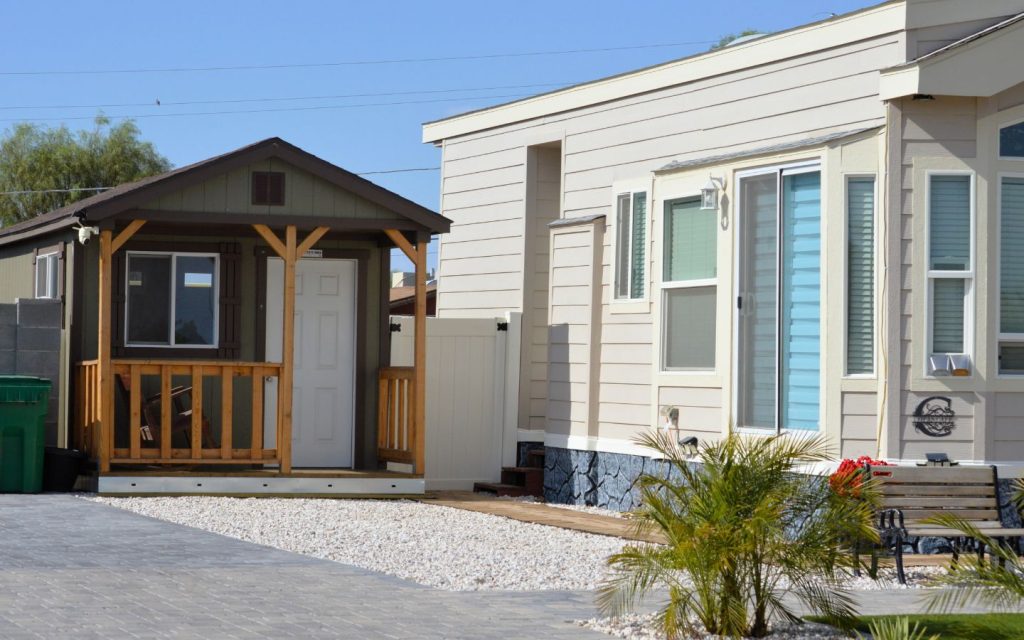
A detached ADU is a completely separate structure built on the same property. It may be a small cottage, guest house or backyard unit.
Tiny Home ADU
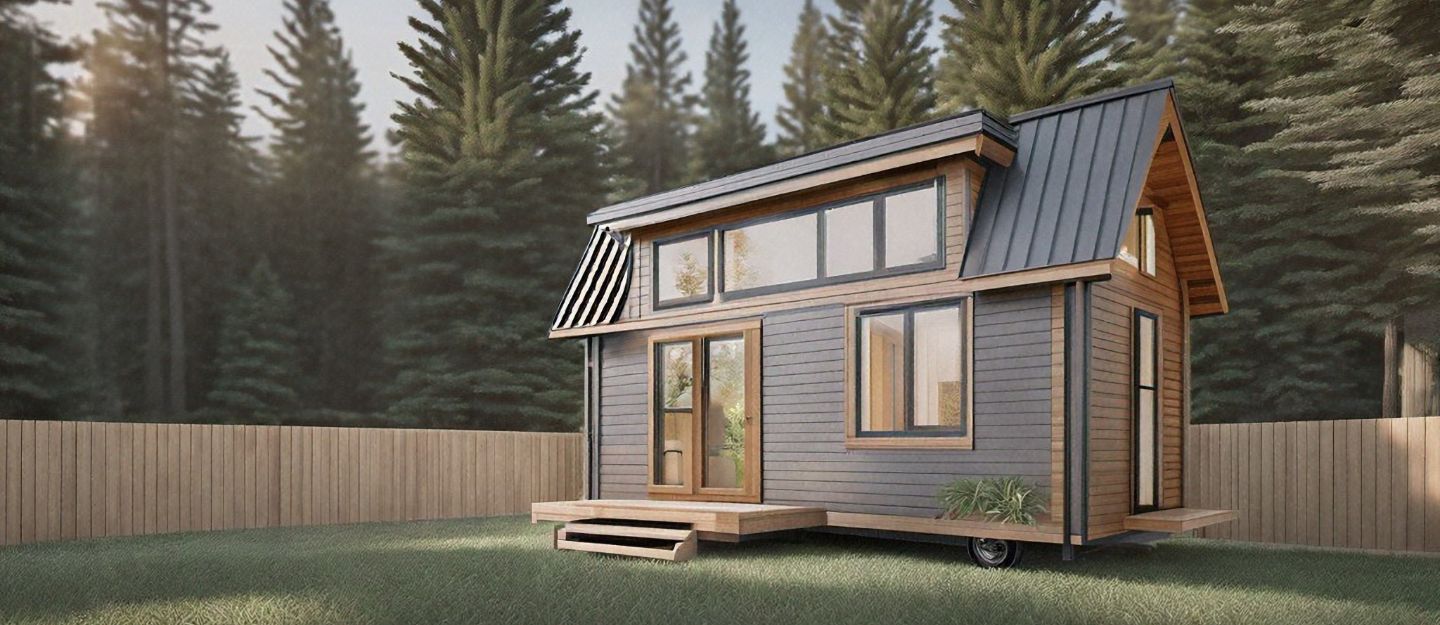
In some cases, homeowners build small standalone units that resemble tiny houses. When placed on permanent foundations within the same property, they can function as ADUs.
Key Characteristics of ADUs
Despite their different designs, ADUs share several common features:
- They are secondary housing units located on the same lot as a primary home.
- They are generally smaller than the main residence.
- They are usually owned by the same property owner as the main house.
- They are often built after the main home, rather than at the same time.
Costs of Building an ADU

The cost of constructing an ADU varies widely based on several factors. These include the design, building materials, labour costs and whether the unit is attached or detached.
Detached ADUs are often more expensive because they may require additional infrastructure, such as separate utility lines or foundation work. Other potential costs include:
- Construction permits and approvals
- Architectural and engineering services
- Utility connections
- Landscaping adjustments
- Contractor and labour costs
Benefits of ADUs
ADUs offer several potential benefits for homeowners.
- Renting out an ADU can provide a steady source of income.
- Properties with additional living space may attract more buyers in some real estate markets.
- ADUs can be used for guests, family members, workspaces or rentals.
- They allow families to stay close while maintaining privacy.
Potential Drawbacks
While ADUs provide many advantages, they also involve certain challenges.
- Building and maintaining a separate living unit requires significant investment.
- Adding an ADU may reduce space previously used for parking, storage or outdoor areas.
- If the unit is rented out, landlords must manage tenants, repairs and follow a proper house maintenance checklist to ensure the property remains in good condition.
- Zoning rules and building codes vary by location and can affect whether an ADU is allowed and how it can be built.
FAQs
What are the different types of accessory dwelling units?
Common types include detached backyard units, garage apartments, basement conversions, internal units within the main house and attached additions.
What is the difference between an ADU and a guest house?
An ADU is a fully independent unit with a kitchen and bathroom, while a guest house is usually for temporary stays with limited amenities.
Do you need a permit to build an ADU?
Yes, permits are usually required and it is especially important to check local regulations since rules vary by location and you must confirm whether ADUs are allowed in your region or country.
Accessory Dwelling Units offer homeowners a flexible way to expand living space. However, building an ADU requires careful planning. Homeowners should review local zoning regulations, estimate construction costs and consider financing and ongoing maintenance.
As homeowners explore ways to make better use of their property, it is also useful to understand the range of housing options available in the wider real estate market. Reviewing current listings can offer helpful context on how different properties are designed and used. With that in mind, exploring properties for sale in the UAE can help prospective buyers understand the variety of residential options available.
Keep reading dubizzle’s property blog to learn more about property types and housing solutions.