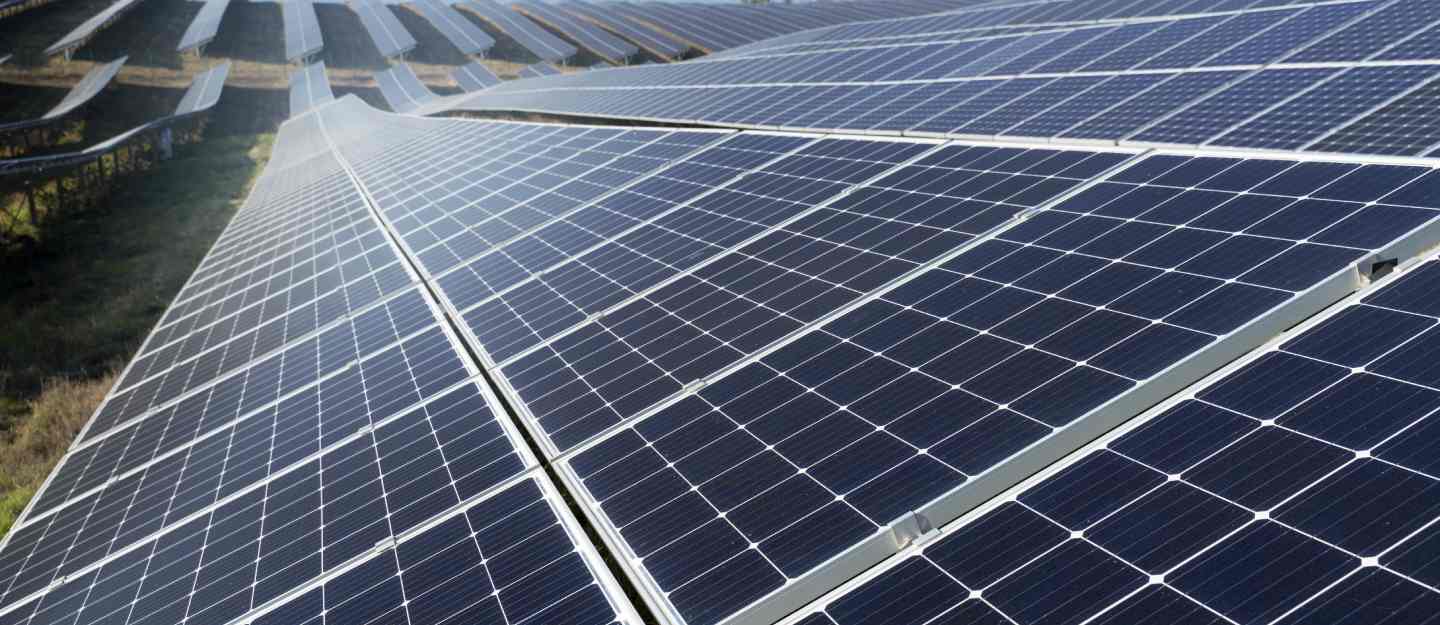
The United Arab Emirates has placed sustainable energy at the centre of its long-term economic and environmental strategy. National initiatives such as the UAE Energy Strategy 2050 highlight a clear commitment to diversifying energy sources and reducing carbon emissions. One of the most significant outcomes in this regard is the development of structured policies that encourage clean energy adoption. The recently announced Abu Dhabi solar Energy Self-Supply Policy stands out as a key enabler of decentralised renewable energy generation.
Abu Dhabi Solar Energy Self-Supply Policy
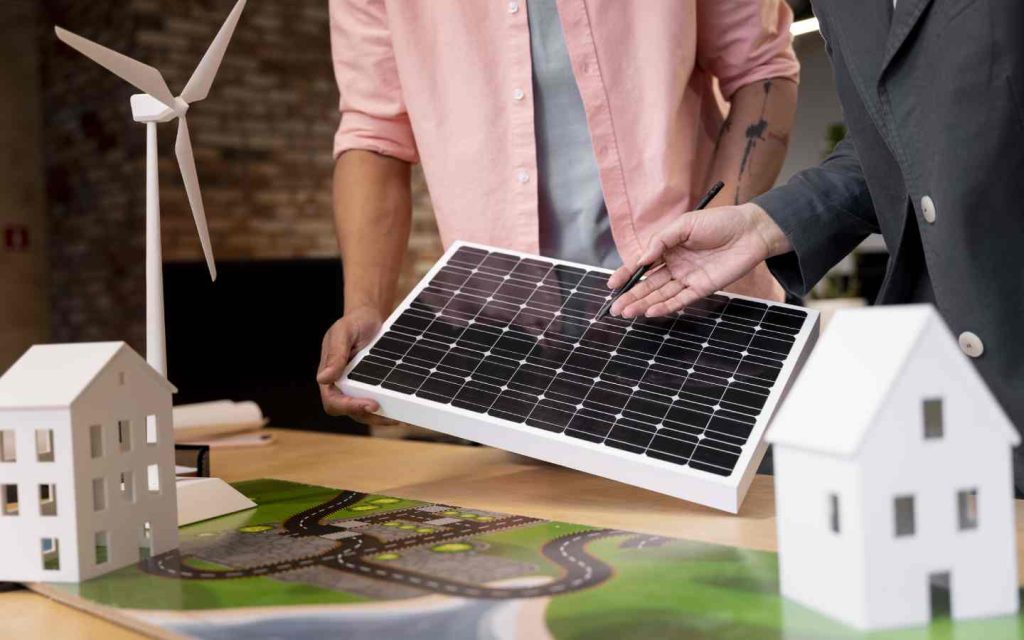
Promoting the use of solar energy in the UAE, the Abu Dhabi Department of Energy has launched the Solar Photovoltaic Energy Self-Supply Policy to improve daytime electricity efficiency and increase reliance on clean energy sources. The policy enables the adoption of smart and flexible energy consumption solutions across key sectors. This initiative supports a qualitative transformation in energy generation and consumption. It aligns with the objectives of the Abu Dhabi Energy and Water Efficiency Strategy 2030.
The Department of Energy Abu Dhabi solar policy contributes to the national transition towards increased reliance on renewable energy. A key objective is to raise public awareness of responsible electricity consumption. The policy also supports sectors with high electricity demand in improving operational efficiency. These measures reinforce broader national sustainability and clean energy goals.
Guidance Manual on High-Efficiency Appliances
Alongside the policy rollout, the Department of Energy will introduce a guidance manual on high-efficiency appliances that reduce heavy consumption of water and electricity. The manual provides a practical framework to support households, businesses and institutions in selecting and operating energy-efficient systems.

It covers cooling, water heating, lighting, electrical equipment, motors, pumps and irrigation systems. The focus is on performance data, life-cycle cost considerations and best-practice operational behaviours to reduce energy and water consumption while lowering peak demand and emissions.
Flexible Energy Consumption Solutions
Under the Abu Dhabi solar self-supply initiative, customers may choose flexible solutions or continue consuming electricity directly from the grid. Flexible solutions for different property types include photovoltaic panels for self-supply and self-consumption of electricity. Additional options include solar-powered water heaters and battery energy storage systems. These solutions enable greater reliance on photovoltaic energy while supporting grid efficiency and security of supply.
Sector-Specific Implementation
The initial application of the Abu Dhabi Solar Energy Self-Supply Policy will focus on the agricultural sector and owners of rest houses and ranches. This approach creates tangible value by facilitating access to renewable energy sources.
Solar solutions, including photovoltaic panels, solar-powered water heaters and battery storage systems allow facilities to operate efficiently during evening hours. The result is significant cost savings and improved energy resilience.
Policy Impact and Energy Sector Development

The policy for solar energy self-supply in Abu Dhabi supports growth plans for the energy sector while enhancing security of supply. It applies global best practices and delivers added value for consumers. The policy strengthens infrastructure efficiency and future readiness. These outcomes contribute to a resilient and sustainable energy system across the emirate.
The Abu Dhabi solar energy self-supply policy forms part of a wider set of enabling policies and guidelines for different consumer segments. These include the Energy Efficiency Appliances Policy and additional policies planned through 2026. Alignment with the Abu Dhabi Climate Change Strategy ensures reduced emissions, enhanced efficiency and high levels of reliability and resilience. This integrated approach supports the delivery of essential services at a reasonable cost while advancing sustainability objectives.
FAQs
What is the Solar Energy Self-Supply Policy launched in Abu Dhabi?
The Solar Energy Self-Supply Policy launched in the capital city enables customers to generate and consume their own solar photovoltaic electricity to improve energy efficiency and increase reliance on clean and renewable energy sources.
Who can benefit from the solar energy self-supply policy in Abu Dhabi?
Customers across key sectors, particularly the agricultural sector and owners of rest houses and ranches, can benefit from the Abu Dhabi renewable energy policy.
How does the solar self-supply policy support sustainability goals?
The solar self-supply policy supports sustainability goals by increasing reliance on clean and renewable energy sources, improving electricity efficiency and reducing emissions in line with Abu Dhabi’s energy and climate strategies.
There you have it – the new policy on self-supply solar energy in Abu Dhabi explained. It represents a major step in advancing renewable energy adoption within the emirate. Through flexible solutions, sector-specific implementation and strong regulatory alignment, the policy supports efficiency, resilience and sustainability. It encourages the use of solar energy to make residential and commercial buildings energy-efficient. The policy’s integration with national strategies reinforces Abu Dhabi’s leadership in clean energy development. The policy establishes a clear pathway towards a more sustainable and energy-efficient future.
The presence of many net-zero buildings in the UAE shows how the government is adopting sustainable practices for its properties.Similarly, sustainable city projects in the UAE also use solar and other renewable sources of energy. People can buy houses with solar panels or install them in their existing properties to support the initiative by the government.
Furthermore, many new projects in Abu Dhabi use sustainable practices from construction to completion. These futuristic developments can be formidable living and investment choices.
Stay tuned to dubizzle’s property blog to learn the government policies shaping the future of real estate in the UAE.
![It’s live!
TruEstimate™ Alerts are now on dubizzle.
Get monthly updates on your property’s estimated market value, straight to your inbox.
Stay informed. Stay ahead. Explore TruEstimate™ Alerts via the link in bio!
ابقَ على اطلاع بقيمة عقارك.
تنبيهات TruEstimate™ متاحة الآن على دوبيزل، لتصلك تحديثات شهرية حول القيمة التقديرية لعقارك مباشرةً إلى بريدك الإلكتروني.
ابقَ على اطلاع، واكتشف تنبيهات TruEstimate™ عبر الرابط في البايو!
[dubizzle UAE, dubizzle Dubai, Real estate, buy and sell UAE, Property]](https://www.dubizzle.com/blog/property/wp-content/plugins/instagram-feed/img/placeholder.png)