
In January 2019, the Saudi Central Bank (SAMA) and the Central Bank of the UAE (CBUAE) unveiled a groundbreaking joint digital currency initiative known as Project Aber. The name ‘Aber,’ which translates to ‘one who crosses boundaries’ in Arabic, perfectly encapsulates the project’s dual aims: fostering cross-border collaboration and pushing the boundaries of digital technology in financial systems. The project explores the use of distributed ledger technology (DLT) for improving payment efficiencies.
What is Project Aber Abu Dhabi
Project Aber represents a groundbreaking collaboration between Saudi Arabia and the UAE to explore the potential of a shared digital currency for both domestic and cross-border settlements. This innovative initiative underscores the two nations’ commitment to embracing cutting-edge financial technologies while enhancing the efficiency and security of their payment systems.
The project leverages Distributed Ledger Technology to establish a Central Bank Digital Currency (CBDC) specifically designed for cross-border transactions. By streamlining trade and financial interactions, Aber not only strengthens economic ties between Saudi Arabia and the UAE but also lays the groundwork for broader financial integration within the Gulf Cooperation Council (GCC) region.
Aber’s success could mark a significant milestone in modernising payment systems across the GCC. By integrating advanced financial technologies into traditional banking practices, it promises to create a secure and efficient financial ecosystem. As this project evolves, it may inspire further advancements in digital currencies and payment solutions, solidifying the UAE and Saudi Arabia’s leadership in the global financial technology landscape.

Objectives of Project Aber Abu Dhabi
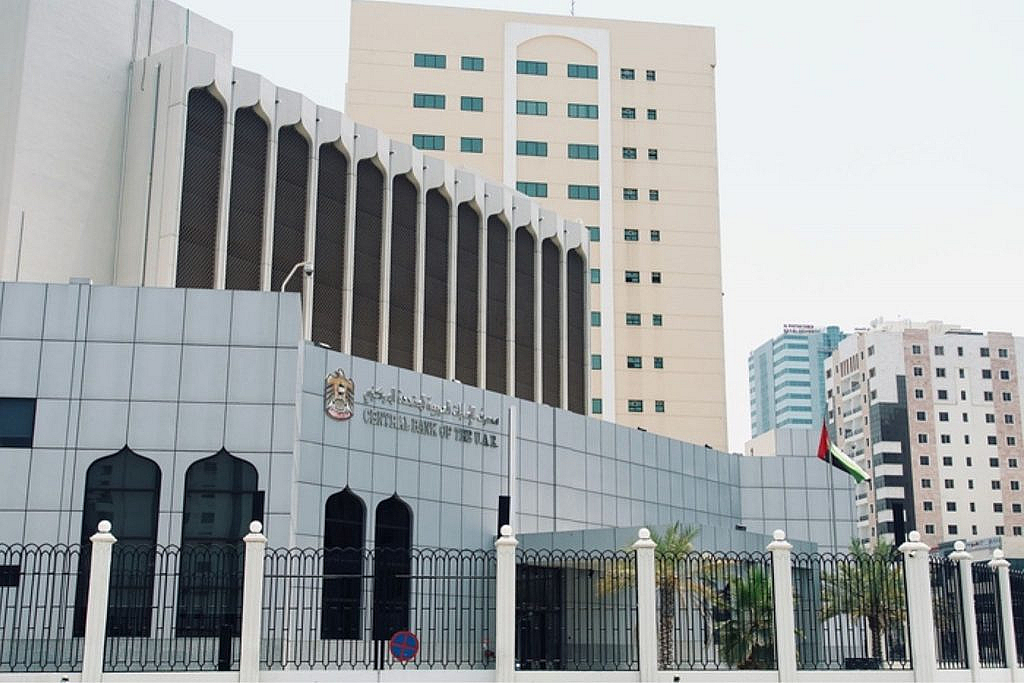
The initiative was launched with several high-level objectives:
- Deepening Understanding of Distributed Ledger Technology (DLT): The project aimed to experiment with and evaluate the maturity of DLT to better understand its potential applications.
- Enhancing Cross-Border Payments: By developing a DLT-based payment solution, Aber sought to address inefficiencies in traditional interbank cross-border payment systems.
- Exploring Dual Issuance of Central Bank Digital Currency (CBDC): The initiative investigated how a digital currency jointly issued by two central banks could function.
- Benchmarking Against Global Standards: Findings from Aber were compared with similar initiatives by other central banks worldwide.
Structure of the Project Aber
Project Aber was divided into three distinct phases, each with specific use cases:
- Cross-Border Settlement Between Central Banks: The first phase focused on settling transactions directly between the Saudi Central Bank and the UAE Central Bank.
- Domestic Settlement Between Commercial Banks: The second phase tested domestic settlements involving three commercial banks in each country.
- Cross-Border Transactions Between Commercial Banks: The final phase explored how commercial banks in both nations could conduct cross-border transactions using digital currency.
Key Features of Project Aber
- Active Participation: The project involved six commercial banks, three from each country, allowing them to experience and contribute to the development of a DLT-based interbank payment solution.
- Decentralised Architecture: The deployment architecture is designed to be highly distributed, providing flexibility for banks to manage their environments effectively.
- Addressing Liquidity Issues: By simplifying cross-border payments, Project Aber aims to reduce ‘trapped liquidity’ issues faced by banks due to maintaining large Nostro accounts.
Guiding Principles of Aber Project

To ensure the success of Project Aber, several key principles were established:
- Active Participation of Commercial Banks: Commercial banks played a central role by running local nodes on the network and engaging in both technical and business aspects throughout the project lifecycle. This approach ensured that both central and commercial bank employees gained valuable insights into DLT while identifying potential risks and improvements.
- Real Money Transactions: The use of actual money in the project brought a level of realism that demanded rigorous attention to non-functional aspects, such as security. It also highlighted the system’s compatibility with existing payment infrastructures, like the domestic Real-Time Gross Settlement (RTGS) systems.
Achievements and Findings of Aber Abu Dhabi
Project Aber successfully demonstrated the potential of a dual-issued digital currency in enhancing financial systems. It provided valuable insights into:
- The operational feasibility of DLT for cross-border and domestic transactions.
- The technical and security requirements for implementing CBDCs.
- How commercial banks and central banks can collaborate effectively to leverage emerging technologies.
By addressing inefficiencies in traditional payment systems and pioneering a new approach to cross-border settlements, Project Aber has set a benchmark for other nations exploring similar initiatives. It exemplifies how collaboration, innovation, and a shared commitment to technological advancement can pave the way for a more connected and efficient global financial system.
FAQs
What is Project Aber?
Project Aber is a collaborative digital currency initiative launched by the Saudi Central Bank and the UAE Central Bank. It explores the use of Distributed Ledger Technology to create a Central Bank Digital Currency for domestic and cross-border settlements.
What does the name ‘Aber’ signify?
The name ‘Aber,’ meaning ‘one who crosses boundaries’ in Arabic, reflects the project’s goals of fostering cross-border collaboration and advancing financial technology.
What are the main objectives of Project Aber?
- Deepen understanding of Distributed Ledger Technology (DLT).
- Enhance cross-border payment systems.
- Explore the dual issuance of CBDCs by two central banks.
- Benchmark findings against global standards.
Project Aber is a testament to the vision and ambition of Saudi Arabia and the UAE in leading the adoption of cutting-edge financial technologies. By breaking boundaries—both literal and figurative—this initiative has not only enhanced regional cooperation but also inspired global conversations about the future of central bank digital currencies. As the findings from Aber continue to influence financial innovation, it remains a shining example of the power of collaboration in shaping the future of finance.
Looking to invest in a future-forward economy like the UAE? The country’s advancements in financial technology are complemented by its thriving real estate market. Discover a range of properties for sale in the UAE here. If you are a first time Emirati home buyer, make sure you fulfil all the requirements to get the finances.
Stay tuned to the UAE’s top property blog to learn more about investment opportunities and expert insights.