- Torsional Rigidity in Vehicles Explained
- Importance of Torsional Rigidity
- Torsional Rigidity Measurement
- Torsional Rigidity in Sports Cars
- FAQs
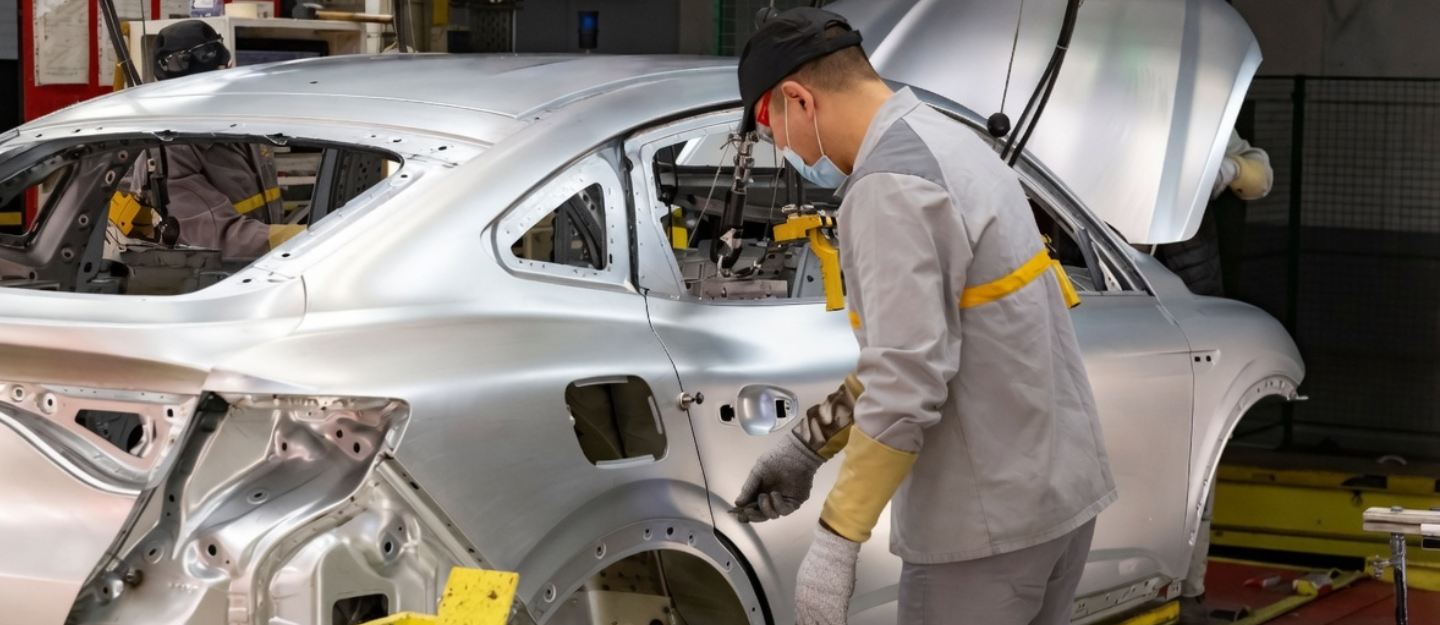
When a vehicle is moving, it is subjected to various external forces. Its performance, safety and driving dynamics depend on several factors, among which is torsional rigidity. It is an aspect of automotive engineering that plays a crucial role in determining how a vehicle handles, responds to driver inputs and protects occupants in the event of a collision or an external impact. Hypercars and supercars may have torsional rigidity as high as 60,000 Nm/deg or even more.
Torsional Rigidity in Vehicles Explained: The Science Behind Safety
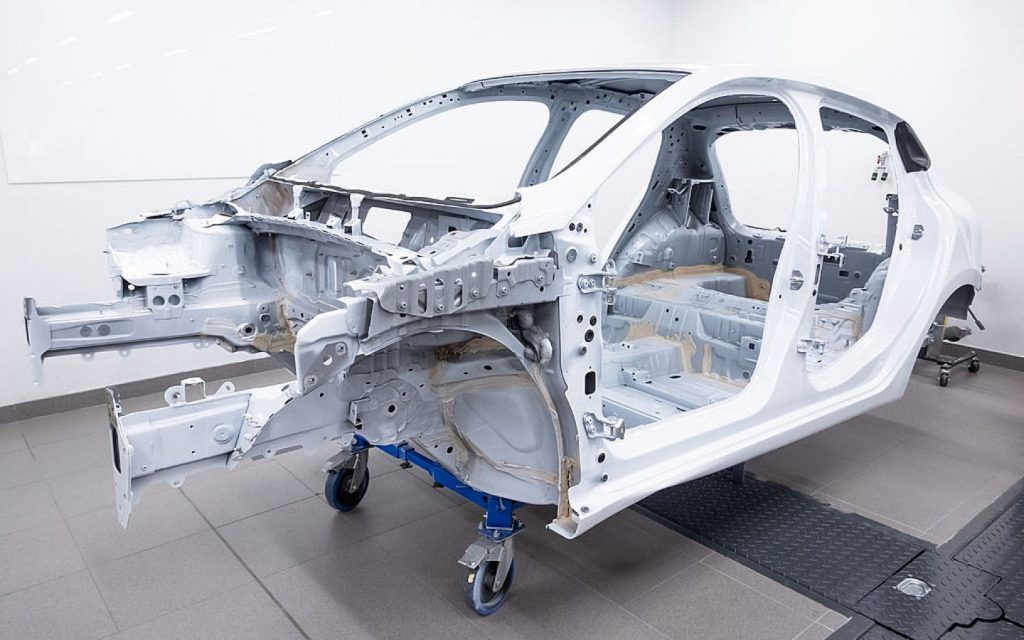
Torsional rigidity refers to the vehicle’s resistance to twisting forces. When a car passes through uneven roads, sharp turns or sudden changes in direction, various external forces have an impact on the vehicle chassis. Without sufficient torsional rigidity, these forces can cause the vehicle structure to twist. A vehicle with low rigidity flexes or bends more under stress.
Measurement of Torsional Stiffness in Cars Explained
Torsional rigidity is commonly measured in Newton-metres per degree (Nm/deg). It is the amount of torque required to twist the chassis by one degree.
Importance of Torsional Rigidity in Vehicles
A vehicle’s structural stiffness affects several aspects of performance and safety.

Improved Handling
A vehicle chassis with a high torsional rigidity can better withstand external shocks and forces. The tyre contact with the road is maintained more effectively, resulting in improved handling.
Enhanced Ride Quality
A rigid structure helps distribute external forces, helping manage forces more evenly across the vehicle. This reduces vibrations and unwanted body movements, resulting in a smoother and more comfortable ride.
Increased Safety
In addition to airbags and other safety features, a robust structural design of a vehicle plays a significant role in protecting occupants during a collision. A rigid chassis helps maintain cabin integrity and directs impact forces towards designated crumple zones, improving crash protection.
Reduced Noise and Vibrations
Vehicles with higher torsional rigidity experience fewer squeaks, rattles and structural vibrations. This contributes to a quieter and more refined driving experience.
Higher Torsional Rigidity in Sports Cars and Hypercars
Given their high speed and extraordinary performance capabilities, sports cars and hypercars have higher torsional rigidity. Some of the vehicle examples with high torsional resistance include:
- Lamborghini Revuelto: 40,000 Nm/deg
- Bugatti Veyron: 60,000 Nm/deg
- Koenigsegg Agera: 65,000 Nm/deg
FAQs
What is the relationship between car body rigidity and handling?
Higher car body rigidity improves handling by reducing chassis flex, allowing the suspension to work more effectively and providing better stability, responsiveness and cornering precision. The suspension type and how well it is maintained also pay a key role in a vehicle’s handling.
Why is torsional rigidity important in cars?
The benefits of high car chassis torsional rigidity include improved handling, better ride stability, enhanced safety and more precise vehicle response to driver inputs.
What is the difference between torsional rigidity and stiffness?
When comparing torsional rigidity vs stiffness of cars, torsional rigidity refers specifically to a vehicle’s resistance to twisting forces. The stiffness, on the other hand, is a broader term describing resistance to any type of deformation.
There you have it – torsional rigidity in vehicles explained in detail. It is a key aspect of automotive design that impacts the vehicle’s performance and safety in myriad ways. Many new cars for sale in the UAE offer high torsional resistance, which is among the many factors that buyers should consider.
For more information on automotive design and technology, stay connected with the UAE’s leading car blog.
Related Posts