Cruise control, now a standard feature in most modern cars, allows drivers to effortlessly maintain a consistent speed. With minimal driver intervention needed, driving on long, straight routes with minimal or no frequent turns and stops becomes extremely convenient with cruise control. However, knowing how and when to engage or disengage cruise control is crucial to make the most out of this feature and ensure optimal safety and driving experience.
Tips to Use Cruise Control in a Car

Cruise control is a relatively simple-to-use feature, with little to no operational differences across various models and makes.
Learn How to Activate Cruise Control
In most cars, the steps to activate cruise control are as follows:

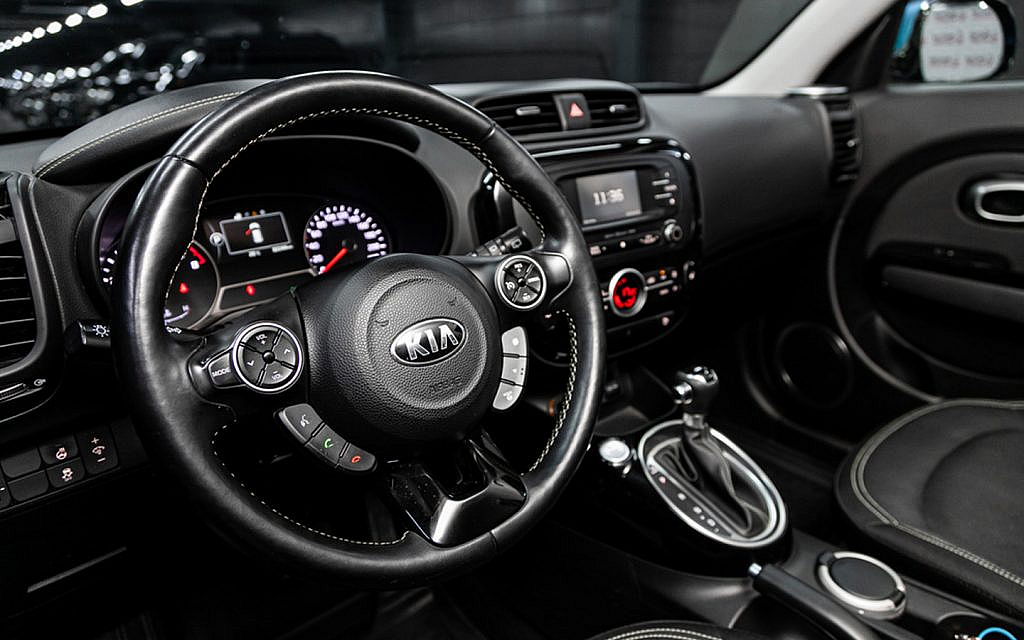
- Check the steering wheel or the dashboard to locate and press the cruise control button to activate the feature.
- Accelerate to your desired speed, then press the ‘Set’ button to lock it in.
- Once the speed is set, safely lift your foot off the accelerator pedal. The system will now maintain your chosen speed.
- Use the ‘+’ and ‘–’ buttons to increase or decrease speed as needed.
- To deactivate cruise control, press the brake pedal or use the ‘Cancel’ or ‘Off’ button.
Controls and buttons may vary between car models. For detailed guidance on how to use cruise control safely, including its activation and usage, refer to your vehicle owner’s manual for specific instructions.
When to Use Cruise Control
It may seem like a good idea to give your feet some rest now and then, but cruise control features in cars assist best only in certain situations and conditions:
- Long, straight roads: The cruise control system is designed for highways and signal-free corridors where it can maintain a constant speed.
- Dry weather conditions: Check the weather forecast before engaging the cruise control. It relies on different types of car sensors, which may not function effectively in bad weather conditions. For optimal results and safety, cruise control should only be used on clear, dry roads.
- Light traffic: Cruise control is best suited when traffic flow is smooth and consistent.
When Not to Use Cruise Control
Understanding how cruise control works is beneficial in many ways. However, there are times when cruise control can be unsafe:
- Winding or hilly roads: These routes demand more driver control than cruise systems can provide.
- When tired: Using cruise control while fatigued can further reduce your alertness and reaction time. However, to address such situations, some cars are equipped with a driver fatigue detection system that automatically activates additional safety features to alert the driver.
FAQs
What are the limitations of cruise control in a car?
Cruise control is less effective on winding roads, steep hills, heavy traffic and in adverse weather, as it cannot adapt to changing driving conditions.
What is the difference between adaptive vs standard cruise control?
No, adaptive cruise control automatically adjusts the car’s speed to maintain a safe distance from vehicles ahead, whereas the standard cruise control only maintains the speed set by the driver.
Can cruise control help save fuel?
Yes, cruise control can help save fuel by maintaining a steady speed and reducing unnecessary acceleration or braking.
Like all modern car features designed to assist motorists, cruise control is most effective when used correctly and safely. In many new cars for sale in the UAE, cruise control is part of the Advanced Driver-Assistance Systems (ADAS) along with other convenience and safety features. If you love long drives across emirates or hit the highways often, automatic speed control in a car is one of the features to look for.
For more tips and tricks on enhancing your driving skills and experience, stay connected with the UAE’s favourite auto blog.
Related Posts