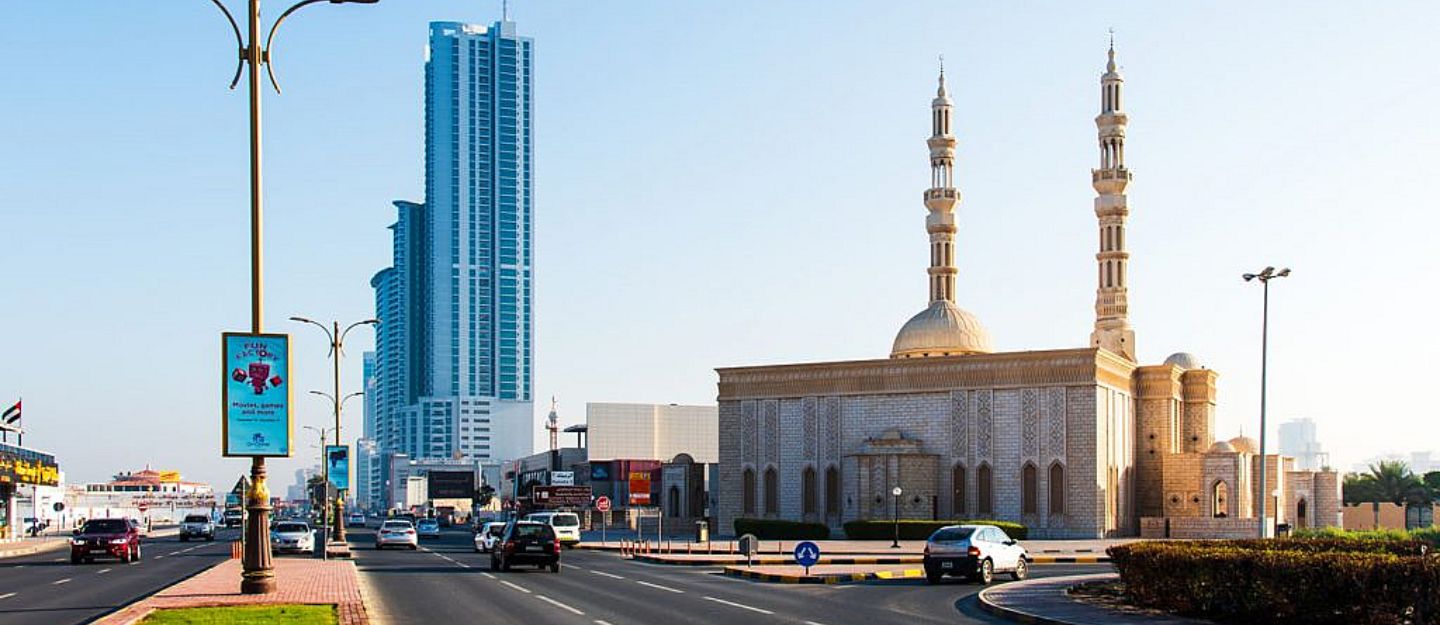
UAE traffic congestion solutions focus on creating a smoother and more efficient transport experience for the country’s rapidly growing urban centres. Alongside its extensive road network, the UAE is strengthening the public transport systems already in place to further ease congestion. This includes expanding metro and tram networks, upgrading major highways and advancing the Etihad Rail project — all aimed at building a more connected, efficient and future-ready transportation ecosystem.
A Multi-Layered Strategy to Find UAE Traffic Congestion Solutions
Traffic congestion affects travel times, productivity and environmental quality. In the past decade, the UAE has shifted from quick road upgrades to a unified mobility strategy focused on transit expansion, better highways and national rail links.
Below, we have discussed how those traffic congestion solutions in the UAE, such as Metro expansions, Etihad rail and other road developments, are being used together to reduce traffic congestion.
Metro Expansion: Enhancing Public Transit Options
Dubai Metro, one of the most utilised rapid transit systems in the region, carried 275.4 million passengers in 2024 alone. Metro expansion efforts, such as the new Blue Line construction, aim to connect more districts and reduce dependence on private vehicles. For instance, the Blue Line project includes more than 10 traffic diversions in Dubai to accommodate construction and optimise traffic flow. The metro expansion in the UAE serves commuters who park-and-ride, saving fuel, reducing parking struggles and cutting journey times substantially.

Road Upgrades: Widening and Smart Infrastructure
In parallel with metro expansion, the UAE is investing heavily in upgrading and widening key highways to ease bottlenecks and improve traffic flow. The $204 million (AED 750 million) Emirates Road upgrade project is a prime example, extending highways from Sharjah to Umm Al Quwain with new collector roads and multiple lanes. Travel times between major emirates like Ras Al Khaimah, Umm Al Quwain, Sharjah and Dubai are expected to drop significantly upon completion.
Similarly, the Etihad Road is being upgraded into a 12-lane highway, boosting capacity by 60%, while Emirates Road will expand to 10 lanes, increasing capacity by 65% and reducing travel time by nearly half. Sheikh Mohammed bin Zayed Road is also set to be widened to 10 lanes. These projects align with the UAE Centennial 2071 plan to develop a smart, flexible and sustainable transport infrastructure that not only tackles congestion but also supports national development and quality of life improvements.
Etihad Rail: The Game-Changing National Rail Network
The Etihad Rail project is a pivotal component in the UAE’s strategy against traffic congestion and environmental concerns. It promises to shift both passengers and heavy cargo freight off the roads onto a high-speed, high-efficiency rail network. This shift is expected to deliver multiple benefits:
- Dramatic reduction of road freight traffic, with an estimated 8 million fewer truck trips annually.
- Reduced nitrogen oxide emissions by 37% along major corridors like E11.
- Cutting noise pollution by 50% in urban centres.
- Solar-powered stations and AI-optimised logistics to lower environmental impact.
- Faster inter-emirate travel times, for example, Abu Dhabi to Dubai in just 50 minutes, saving over 30 hours monthly compared to driving.
- Integration with local transport to better connect commuters and tourists, help reduce road accidents and streamline inter-emirate connectivity.
Etihad Rail plans to replace approximately 5,600 trucks per day, significantly decreasing highway congestion and improving air quality. By establishing zero road intersections and using noise-absorbing technology, it is also designed to minimise noise and environmental disruptions.
Emerging Mobility: Air Taxis, Tunnels and the Future of Urban Travel
Beyond metros, highways and national rail, the UAE is already shaping the next wave of mobility via flying taxis. Air taxis are among the most advanced initiatives, with Abu Dhabi and Dubai both moving quickly toward operational eVTOL networks. Abu Dhabi has partnered with Archer Aviation to introduce electric vertical take-off and landing aircraft, while Joby Aviation is progressing plans to deploy its eVTOL fleet in Dubai. Once active, these services could deliver fast point-to-point urban travel that bypasses road congestion entirely.
The UAE is also exploring subsurface mobility. Dubai has engaged with The Boring Company to examine potential underground travel corridors — a concept that, if implemented, could pull significant volumes of short urban trips off surface roads and further diversify the city’s transport ecosystem.
However, even advanced mobility systems face the same fundamental question: How do you complete the last mile? Whether arriving at a metro station, future Etihad Rail terminal or Dubai’s first aerial taxi vertiport, passengers still need efficient, convenient links to their final destinations. Dubai’s RTA has demonstrated that feeder buses, integrated scheduling and seamless connections can make mass transit more practical. Similar models will be essential to support future rail and air-mobility networks.
FAQs
What impact will the expanded metro network have on daily commuting?
Commuters gain shorter, more predictable travel times, fewer delays and less reliance on private cars. Areas near stations also become more accessible and better connected.
Is the UAE planning more integrated public transport connections?
Yes. Authorities are expanding feeder buses, improving station linkages and coordinating metro, bus, tram, marine and future rail services to create seamless multi-modal travel.
Will the metro expansion improve last-mile connectivity in major cities?
Yes, expanding the metro network helps improve last-mile connectivity by bringing stations closer to residential and commercial areas, integrating with buses and other transport modes and reducing travel time across the city. In Dubai, for example, 32 new metro stations are planned by 2030 as part of a major infrastructure upgrade.
The UAE is tackling traffic congestion through a comprehensive mobility strategy that goes beyond adding new roads — combining metro network expansion, major road enhancements and the development of a national rail system. Together, these UAE traffic congestion solutions are geared towards reducing car dependency, improving travel times, lowering emissions and supporting sustainable urban and inter-emirate mobility for the future.
The expansion of wide road networks has also drawn attention to the market for used cars for sale in the UAE, where a wide range of models is available for different commuting needs.
For more updates on mobility, transport developments and car-related insights, stay tuned to the UAE’s top auto blog.
Related Posts