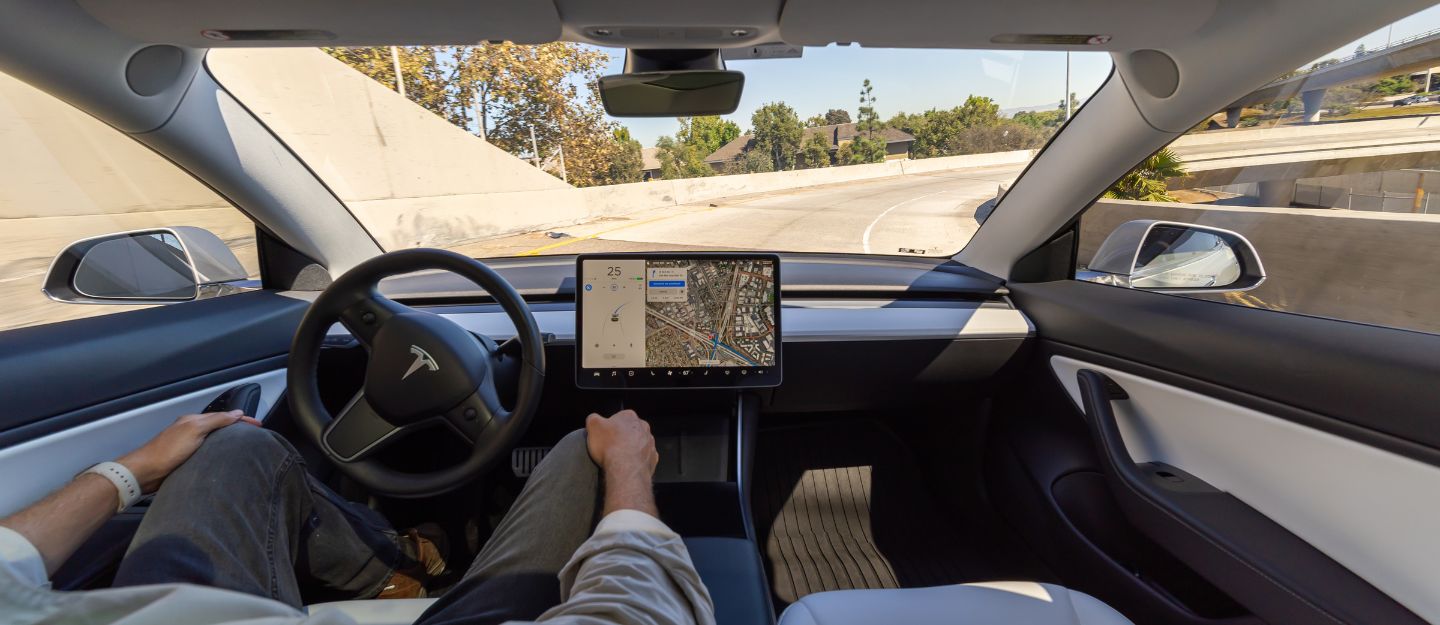
Tesla has remained at the forefront of the technological revolution and its Full Self-Driving (FSD) is the latest addition. Designed to enhance safety and convenience, the system assists with steering, braking, acceleration and parking. Though the name suggests FSD, the system still requires human intervention for an optimal and safe experience.
Let’s take a look at how Tesla’s FSD works and its key features in more detail.
What Is Tesla’s Full Self-Driving?
Tesla’s Full Self-Driving (FSD) is an advanced driver assistance technology designed to automate multiple driving functions. Full self-driving in Tesla works alongside Autopilot, offering features like lane changes, traffic light recognition and navigation assistance.
Key Features of Tesla’s Full Self-Driving
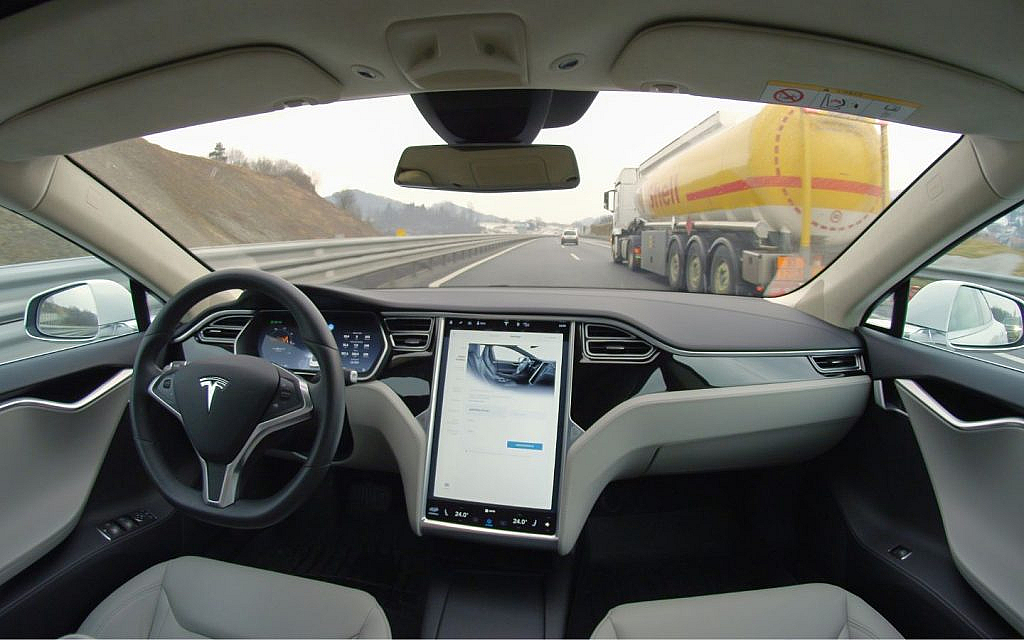
Tesla’s FSD system includes several automated features, the major ones are mentioned below.

- Automatic Lane Changes: Helps in lane changing on highways when Autosteer is engaged.
- Auto Park: Park vehicles parallel or perpendicular autonomously.
- Dumb Summon: Assist in moving vehicles in and out of tight spaces with the help of a key or mobile app.
- Smart Summon: This feature allows cars to navigate through tough spaces.
- Traffic Light Recognition: FSD detects and responds to traffic lights and stop signs, slowing down or stopping the car when needed.
- Navigate on Autopilot: Automatically detects traffic lights and manoeuvres accordingly with driver’s intervention.
Active Safety Features
The active safety features in Tesla that can be used by the FSD are as follows.
- Automatic Emergency Braking: Automatically applies brakes when an obstacle is detected.
- Forward Collision Warning: Alerts the driver if a slower-moving or stationary object is in front of the car.
- Side Collision Warning: Detects obstacles alongside the car and provides alerts.
- Obstacle-Aware Acceleration: Slows down the car when it detects an obstacle at low speeds.
- Blind Spot Monitoring: Warns the driver if a vehicle is detected in the car blind spot during lane changes.
- Lane Departure Avoidance: Corrects steering position to keep the car within its lane.
- Emergency Lane Departure Avoidance: This feature steers the car back into the lane to avoid collision.
How Does Tesla Full Self-Driving Work?
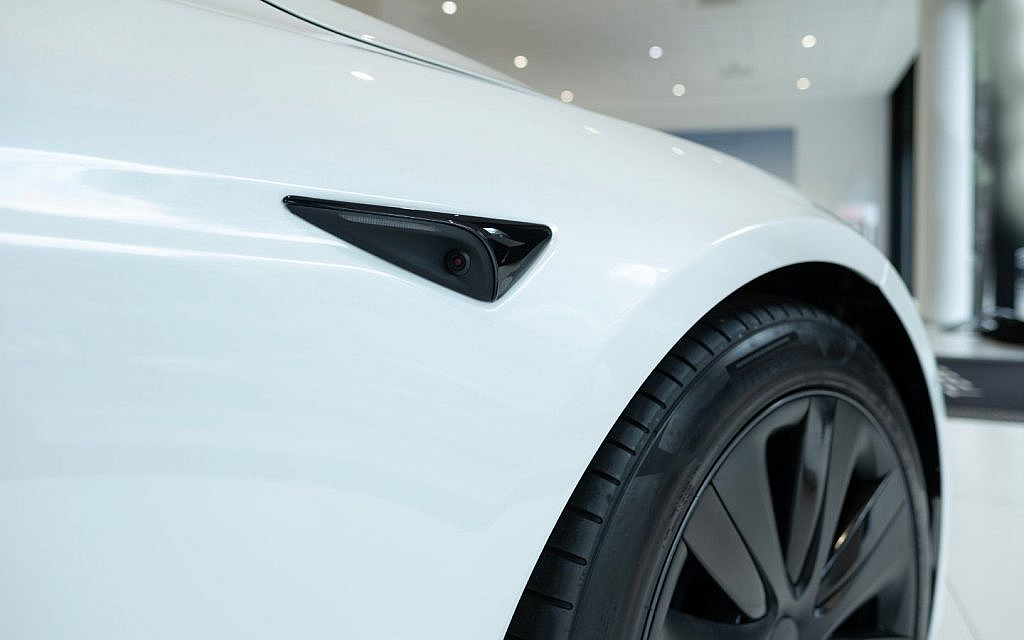
Before activating FSD, it is important to read the owner’s manual for detailed setup instructions and safety guidelines. When using FSD, the driver must remain attentive, keep their hands on the steering wheel at all times and stay in full control of the vehicle. Certain features, such as Autosteer, Navigate on FSD and Smart Summon, are initially turned off. To activate them, access the FSD Controls menu in the Settings tab.
Each time FSD is engaged, a visual prompt reminds drivers of their responsibility to keep their hands on the wheel and remain fully aware of their surroundings.
FAQs
What is the purpose of Tesla FSD?
Tesla FSD assists drivers with various driving tasks, such as lane changes, traffic signal recognition and highway navigation. However, it still requires driver supervision.
How fast is Tesla Full Self-Driving?
Tesla’s FSD system operates within the speed limits according to UAE regulations and adjusts its speed based on real-time traffic conditions.
How to tell if a Tesla has Full Self-Driving?
You can check if a Tesla has FSD by going to the vehicle’s settings under ‘Autopilot’ or ‘Software’ to see if the FSD package is activated.
How long can a Tesla drive on its own?
A Tesla with FSD can operate for as long as the battery allows, but human supervision is mandatory.
What is the difference between Tesla Autopilot and FSD?
One of the differences between Tesla Autopilot and FSD is that, unlike Autopilot, FSD can change lanes without requiring driver confirmation, offering more advanced automation.
Is FSD an AI?
FSD is not a standalone AI feature but a system that uses artificial intelligence, neural networks and machine learning to process data from cameras and sensors.
Tesla’s Full Self-Driving system is evolving through continuous software updates. Although Tesla’s Full Self-Driving system offers advanced automation, it is not fully autonomous yet. Tesla FSD safety and regulations continue to evolve as the company works on improving AI control, urban navigation and securing regulatory approvals to achieve complete self-driving capability. The advantages of AI in self-driving cars are playing a crucial role in enhancing automation and safety features.
As technology advances, FSD has the potential to reshape transportation, making driving safer and more convenient. Many buyers in the UAE are exploring used Tesla cars for sale with the FSD feature to experience its advanced automation.
Stay tuned to the dubizzle auto blog for more updates on automotive safety and technology.
Cover image credits Beach Media Shutterstock.
Related Posts