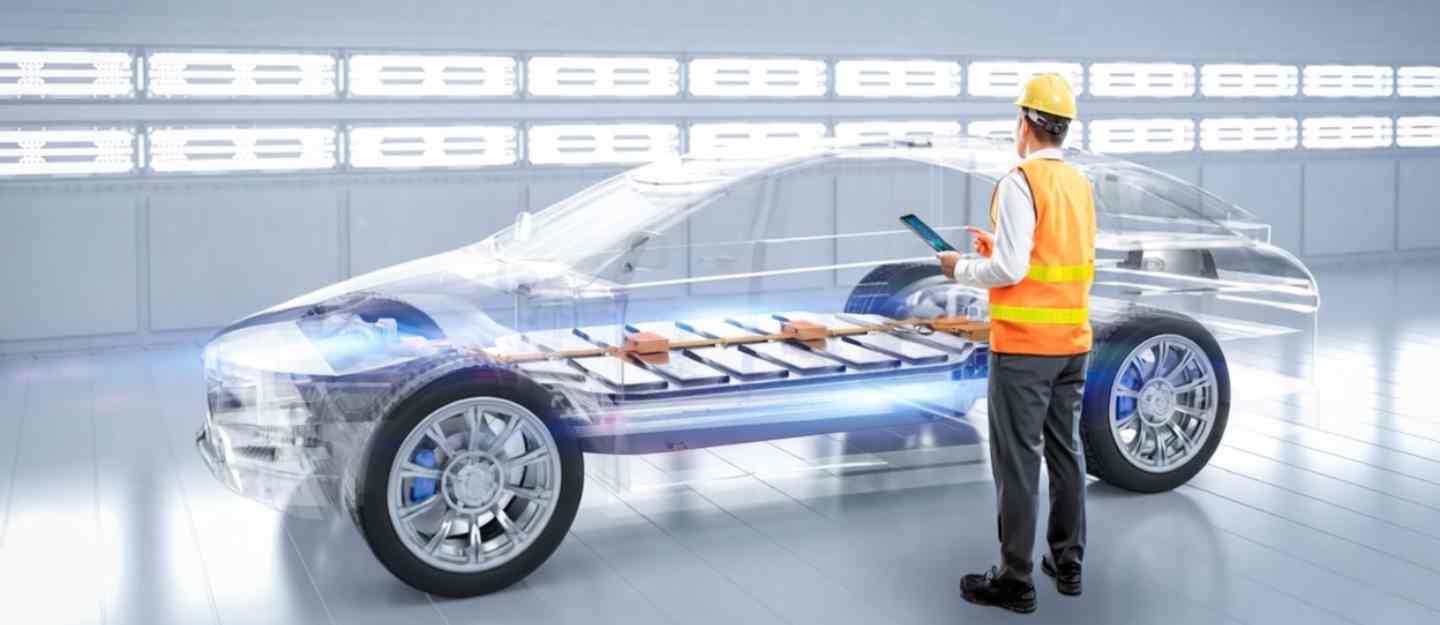
The automotive industry is undergoing a rapid transformation as electrification becomes central to future mobility. Innovative solutions are emerging that rethink how electric vehicles are designed at a fundamental level. One such breakthrough is the Intelligent Battery Integrated System (IBIS), developed to redefine the integration between the battery and the vehicle structure. This IBIS technology signals a significant step towards more efficient and sustainable electric mobility.
What is IBIS Technology?
IBIS technology is an advanced battery architecture developed by Stellantis in collaboration with research partners. Unlike conventional types of electric vehicle batteries that rely on multiple modules and inverters, this system integrates the battery cells directly with the power electronics.
The key distinction lies in eliminating the need for a separate inverter. Instead, electronic boards are mounted as close as possible to the battery cells, enabling direct energy conversion. This structural and functional integration reduces complexity and enhances overall system efficiency.
How IBIS Works in Electric Vehicles
IBIS technology operates by embedding inverter functions within the battery pack itself. In traditional setups, energy stored in battery cells is converted from direct current to alternating current through a separate inverter unit. IBIS reimagines this process by integrating conversion electronics directly into the battery system.

This configuration allows battery cells to be controlled individually through electronic boards. As a result, energy flow becomes more precise and adaptable. The system improves the performance of electric cars while reducing energy losses typically associated with power conversion.
Key Features of IBIS Technology
Stellantis battery innovation includes several advanced features.
Integrated Power Electronics
One of the defining characteristics of IBIS technology by Stellantis is the removal of the standalone inverter. By integrating this function into the battery pack, the system reduces the number of components required in the drivetrain.
Improved Energy Efficiency
Direct interaction between battery cells and control electronics minimises energy loss. This leads to better efficiency in power delivery and overall vehicle performance.
Reduced Weight and Space Requirements
Fewer components mean a lighter system with a more compact design. This contributes to improved electric vehicle range and optimised interior space.
Enhanced Thermal Management
Closer integration allows for better monitoring and control of heat generation within the battery pack. This supports longer battery life and improved safety.
Advantages Over Conventional Battery Systems
IBIS technology offers several advantages compared to traditional electric vehicle battery architectures. Simplifying the drivetrain, it reduces manufacturing complexity and potentially lowers production costs. The compact design also enables greater flexibility in vehicle engineering.
Additionally, improved efficiency helps tackle issues like EV range anxiety, which remains a critical factor in electric vehicle adoption. The system’s ability to manage energy at a granular level further enhances performance and reliability.
FAQs
Which features make IBIS different from traditional EV batteries?
The new EV battery tech by Stellantis differs from traditional EV batteries by integrating power electronics directly into the battery pack, eliminating the need for a separate inverter and improving efficiency, weight and system simplicity.
How does IBIS improve EV range and charging times?
IBIS technology improves EV range and charging times by reducing energy losses through integrated power electronics. Moreover, it enables more efficient, precise control of energy flow within the battery system.
Does IBIS technology reduce the cost of electric vehicle manufacturing?
IBIS can reduce electric vehicle manufacturing costs by simplifying the drivetrain and eliminating separate components such as the inverter, lowering material use and car assembly complexity.
This is everything you need to know about the integrated inverter and charger battery by Stellantis. The invention marks a significant evolution in electric vehicle battery design, functionality and utilisation. By merging battery cells with power electronics, it delivers improved efficiency, reduced weight and streamlined architecture. The potential benefits position this innovation as a key contributor to the future of electrified transport.
The new technology not only enhances performance but also helps with EV battery maintenance as a whole. Alongside IBIS, several other advancements have been made in EV batteries and other components. Many new electric cars for sale in the UAE are available with the latest features.
Stay tuned to dubizzle’s auto blog for information about the latest eco-friendly EV battery solutions and more.
Related Posts