Experiencing a car engine that won’t turn off can be both alarming and confusing. This issue may stem from mechanical problems, electrical malfunctions or even user error. Whatever the cause, it’s crucial to address the problem promptly and safely. Let us walk you through possible reasons for the issue and practical steps to shut down a car engine that won’t turn off.
Reasons Why Won’t My Car Engine Turn Off

Before diving into solutions, it’s crucial to understand the possible reasons behind the issue:
- Faulty Ignition Switch: A worn-out ignition switch may fail to cut power to the car engine.
- Dieseling in Older Cars: In carbureted engines, fuel might continue to combust due to heat or a poor mixture, causing the problem of engine run-on.
- Electrical Issues: Malfunctioning relays or wiring problems could keep the engine running.
- Aftermarket Accessories: Improperly installed devices like remote starters or alarms might interfere with the engine’s shutdown process.
- Hybrid or Electric Vehicle Features: In these cars, ‘engine off’ might feel different, and confusion can arise due to their unique systems.
Ways to Shut Down the Car Engine That Won’t Turn Off
Here are the steps to shut down a car engine that won’t turn off, ensuring safety and preventing damage to your vehicle. Follow these methods in order, starting with the simplest solutions.
Attempt Normal Shutdown
Before trying anything drastic, ensure you’ve properly turned off the ignition.
- For key-start vehicles: Turn the key fully to the ‘off’ position and remove it.
- For push-start vehicles: Press and hold the start/stop button for several seconds.
If this doesn’t work, proceed with the following steps.

Disconnect the Battery
If the engine keeps running due to an electrical fault, disconnecting the battery can reduce power. Moreover, a swollen car battery can also shut down a car engine that won’t turn off.
- Open the hood and locate the battery.
- Use a wrench or socket to loosen and disconnect the negative (-) terminal first.
- Avoid touching the positive (+) terminal or any metal part to prevent sparks.
Caution: Disconnecting the battery may reset your car’s settings, such as ECU.
Shut Off the Fuel Supply
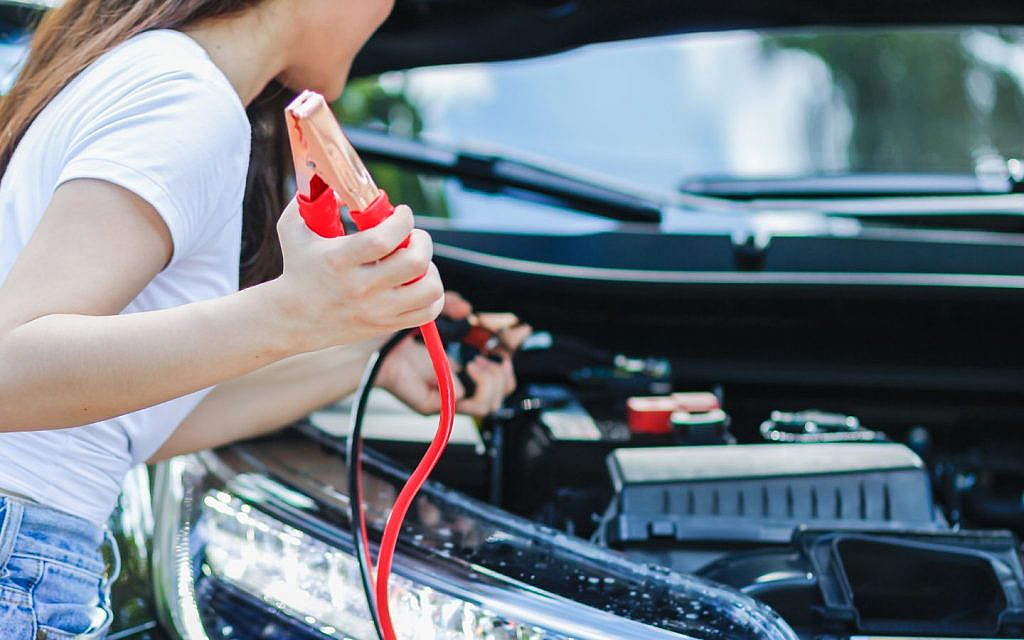
Cutting the fuel supply ensures the engine stops running.
- For carbureted engines: Find and manually close the fuel shutoff valve if accessible.
- For modern fuel-injected cars: Locate the fuel pump fuse in the fuse box and remove it.
Tip: Refer to your car’s manual to identify the correct fuse or relay.
Engage the Emergency Shutoff (if equipped)
Some vehicles, particularly commercial or heavy-duty, have an emergency engine shutoff system. Check your owner’s manual to see if your car has this feature and how to activate it.
Block the Air Intake
In emergencies, starving the engine of air will stop combustion.
- Open the hood and locate the air intake system.
- Place a cloth or block over the intake to restrict airflow.
Warning: Be cautious, as this can damage components like the car engine air filter. Use only as a last resort.
Seek Professional Help
If none of the above steps work or you’re unsure about performing them, contact a professional mechanic. Continuing to drive with an engine that won’t turn off can damage your vehicle.
Preventing Future Issues
- Regular Maintenance: Replace faulty ignition switches and relays promptly. Also, ensure your engine is tuned correctly to prevent dieseling.
- Be Cautious with Aftermarket Accessories: Install accessories through certified professionals to avoid electrical complications.
- Understand Your Car’s Features: Familiarise yourself with your vehicle’s manual and unique systems, especially if it’s a hybrid or electric model.
FAQs
What to do if a car keeps turning off?
Check for common issues like a failing alternator, bad fuel pump, clogged air filter, or electrical problems. Consult a mechanic to diagnose and fix the underlying cause.
Why won’t my car turn on or off?
The issue could stem from a dead battery, faulty ignition switch, starter motor failure, or electrical system malfunction. Inspect these components or seek professional help.
Can low oil cause a car to shut off?
Yes, extremely low oil levels can cause the engine to overheat or seize, leading to a shutdown to prevent damage. Regularly check and maintain oil levels.
What to do if an engine dies?
Safely pull over, turn on hazard lights, and check for obvious issues like a drained battery, empty fuel tank, or overheating. If unsure, call for roadside assistance.
A shut down car engine that won’t turn off is an unusual but manageable problem. You can safely resolve the issue without causing additional damage by following the steps outlined above. If the problem persists, seek professional assistance to identify and fix the root cause.
If you plan to buy a used car in the UAE, keep an eye on its maintenance. Keeping a car’s maintenance checklist and a good understanding of your vehicle’s systems can help prevent such situations in the future.
You can also avoid such hassles by buying one of these new cars for sale in the UAE.
Stay tuned to the dubizzle’s cars blog for more maintenance tips.
Related Posts