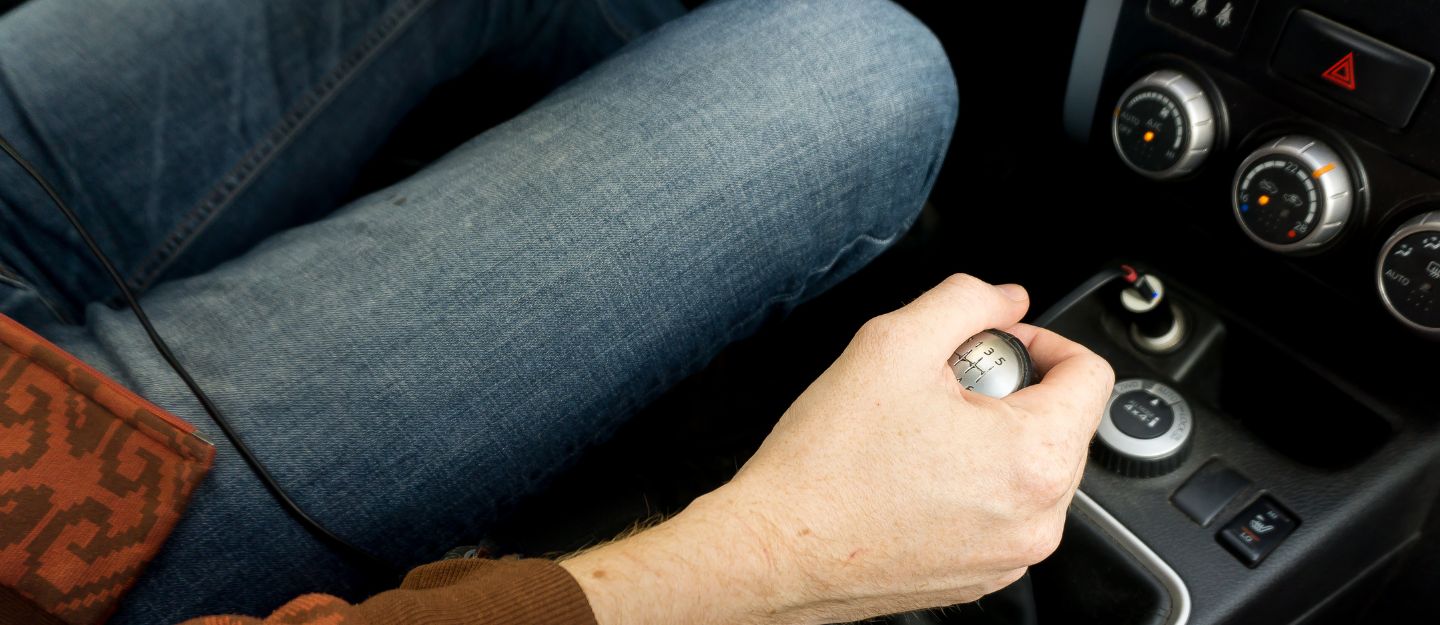
Driving a car is a complex task that needs the complete attention of the driver. Among many things that need to be coordinated while driving, changing gears properly remains eminent. Shifting into the wrong gear like reverse while driving can cause significant damage to the vehicle. Along with damages, shifting into reverse while driving can also lead to severe consequences, such as a car accident.
Let’s take a look at how shifting into reverse while driving can impact your vehicle and its driving experience.
Dangers of Shifting Into Reverse While Driving
The effects of sudden reverse shifting depend on the type of transmission. Here we have mentioned all the must-know consequences of shifting into reverse while driving for automatic and manual transmissions.
Automatic and Continuously Variable Transmission System
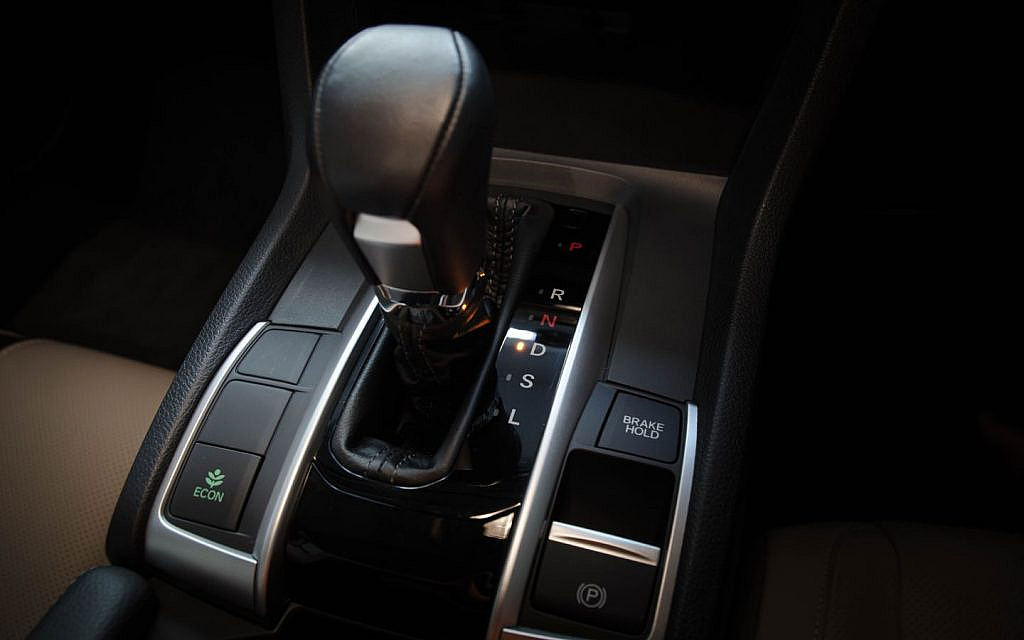
CVT and automatic transmissions are not designed to shift into reverse while moving forward, as this can damage multiple components within the system. However, if an automatic transmission car is shifted into reverse while in motion, it will continue moving forward until it comes to a complete stop. Once stationary, the system will engage sensors and cameras, allowing the car to reverse.

In some modern vehicles, a ‘Reverse Inhibit’ feature prevents the car from shifting into reverse while moving forward. As a result, the vehicle will continue moving forward, ignoring the driver’s attempt to reverse. In some cases, the reverse camera may activate on the screen.
Manual Transmission System
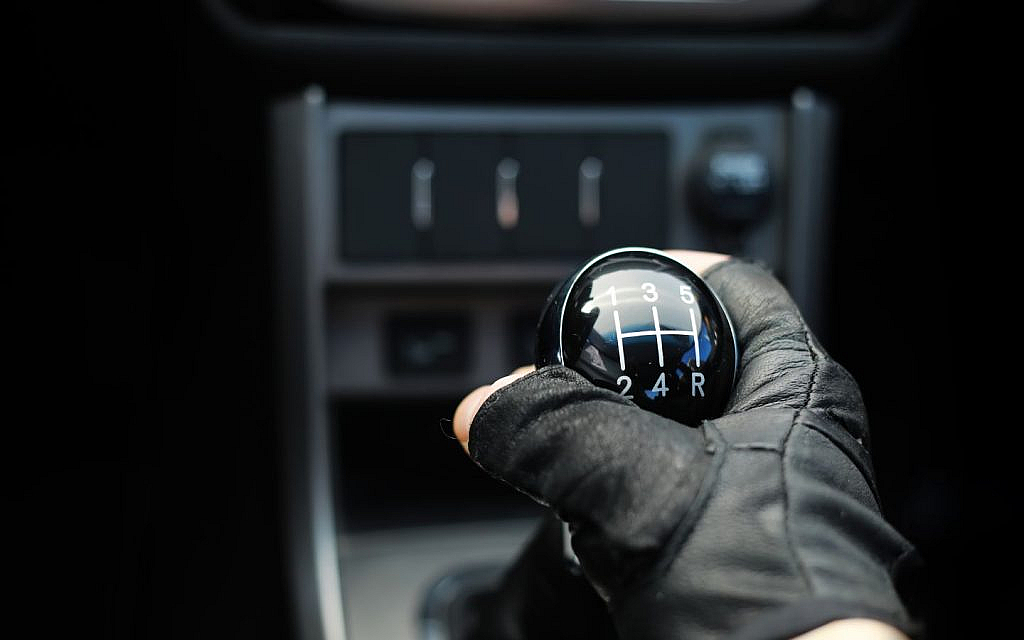
In a manual transmission, it is nearly impossible to shift into reverse while moving forward because of physical locks. However, in rare cases, if it happens, a fast-moving vehicle or one carrying heavy weight may start moving in the opposite direction. This could cause the engine to stall, the tyres to lock and in some cases, the car to start reversing.
Physical locks prevent accidental shifting, while synchroniser (synchros) help smooth gear transitions in forward gears. However, bad driving habits that damage manual cars, such as improper shifting or clutch misuse, can also affect transmission performance over time.
If shifted into reverse while moving forward, the lack of synchros for reverse can cause the gears to clash. This process generates heat, leading to a loud grinding noise or even complete transmission failure.
FAQs
Is it bad to shift into reverse while driving?
Yes, shifting to reverse while the car is moving forward can damage the mechanical system and lead to accidents.
What happens if you put a manual in reverse while driving?
It is nearly impossible to shift into reverse while driving forward in a manual transmission, because of the lockout rings. If successful, it will cause significant damage to the system.
Can driving in reverse damage your car?
Yes, driving in reverse can heat up the car, leading to mechanical damage.
Shifting into reverse while driving forward can have serious consequences, depending on the transmission type. In modern automatic cars, the reverse inhibit feature prevents the gear from engaging, activating the reverse camera instead. This not only secures the transmission from damage but also reduces the chances of accidents.
Consequently, to be on the safe side, when buying a used car in the UAE or exploring new car options with an automatic transmission, make sure it has a reverse inhibit feature.
Aside from the reverse lockout mechanism, the car should also have all the necessary modern safety features. It is to ensure a safe and optimal experience.
Stay tuned to dubizzle’s auto blog for more car safety insights!
Related Posts