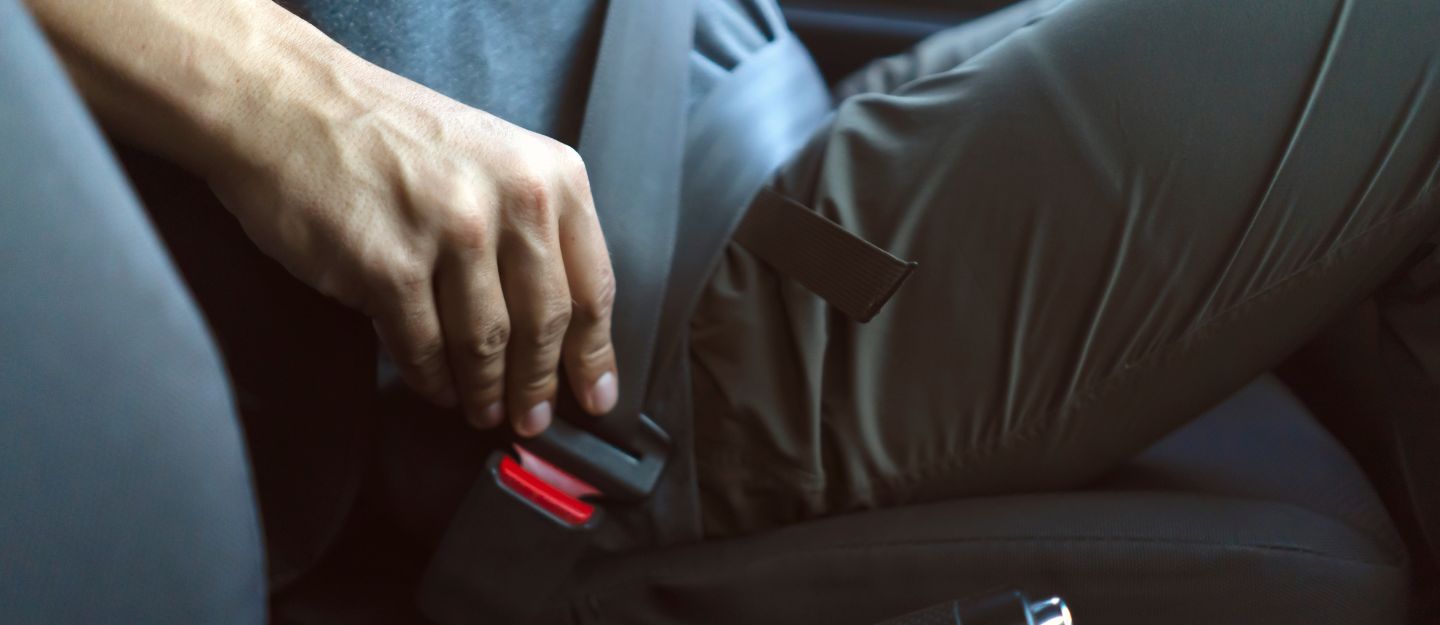
Seat belts, also referred to as the Primary Restraint System (PRS), are integral safety devices in any vehicle. They play a vital role in keeping the driver and passengers protected during collisions or sudden halts. That is why having functional seat belts is essential. However, sometimes your seat belt may unexpectedly lock up. This can lead to restricted extension and retraction. Now, let’s take a look at why your seat belt locks up and steps to fix the issue.
Why Seat Belt Gets Locked

Modern seat belts come integrated with a safety mechanism called the Emergency Locking Retractor (ELR). This device helps the belt move freely but locks up when the car comes to a sudden halt, takes a sharp turn or collides. Understanding the benefits of wearing a seat belt highlights why it is crucial to keep this mechanism functioning properly. Here are some common reasons why your seat belts lock up:
Sudden Movements
The ELR is triggered when the vehicle stops abruptly or during sudden jerks of the belt webbing. This helps keep the occupants safe even if there is no accident.
Twisted or Tangled Belt
A twisted or tangled seat belt webbing can also cause the ELR to react, leading to constrained belt movement.
Retractor Issues
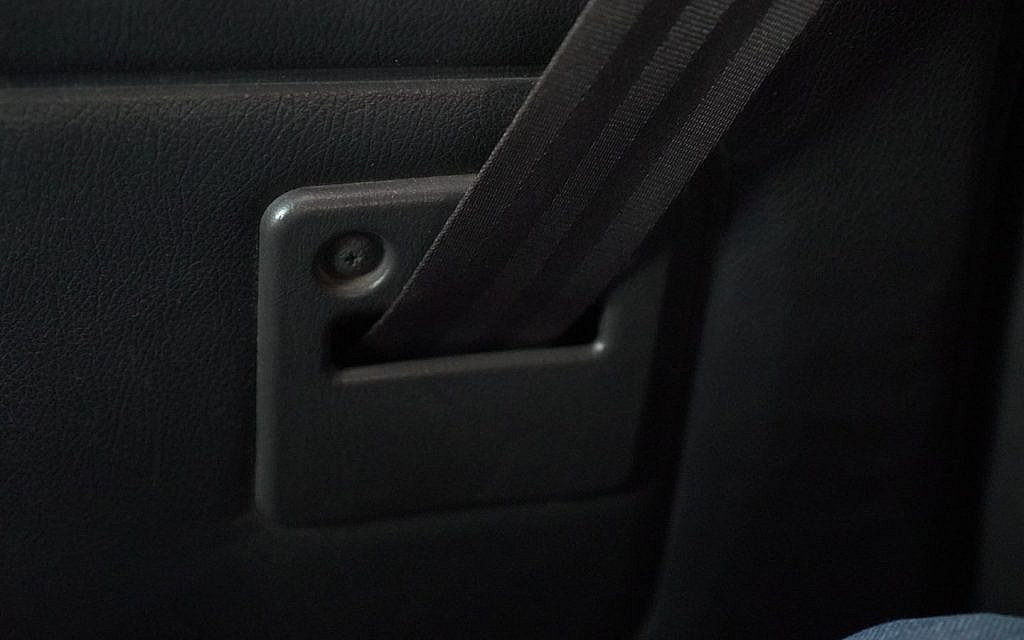
The retractor is prone to developing issues over an extended period of use. Debris, dirt and worn components inside it can compromise its functionality, causing it to lock or jam unnecessarily. Some vehicles also feature a seat belt pretensioner, a component designed to tighten during a crash. If it malfunctions or is triggered accidentally, it may contribute to locking issues even under normal conditions.
Excessive Force
Pulling the seat belt too quickly or roughly is one of the main reasons why seat belts lock up. The ELR mechanism is designed to lock instantly when it experiences a sudden pull or tension.

Faulty Installation
During installation, if the seat belt is not connected properly or if the buckles are positioned in the wrong slots, the ELR may fail to function as intended. This could potentially lead to locking issues or reduced safety performance.
Key Steps for Fixing Locked Seat Belt
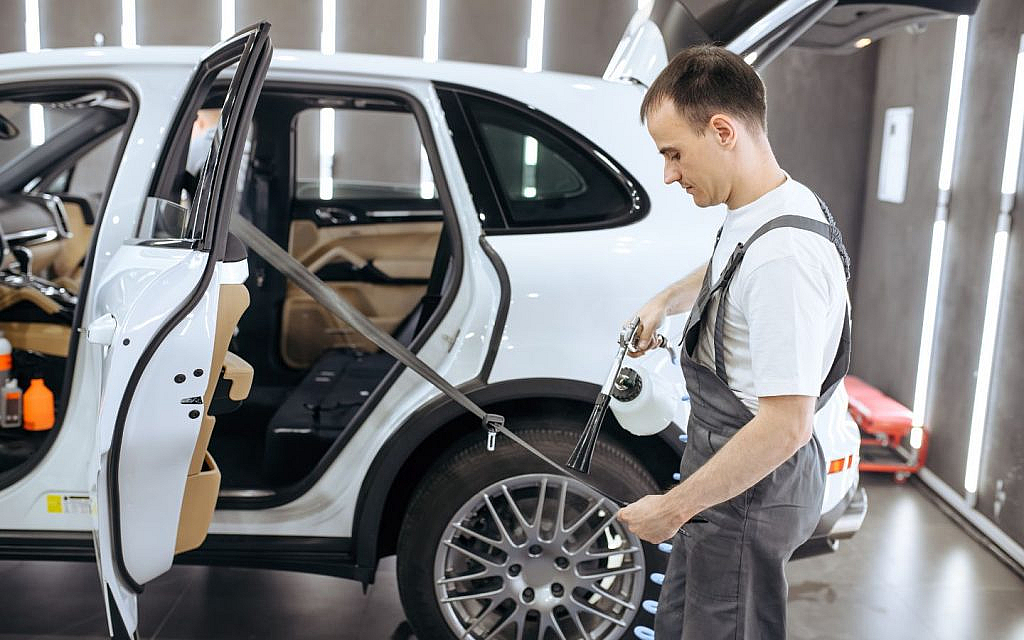
Here are some effective steps you can take if your seatbelt won’t pull out due to the locking mechanism being engaged:
Reset the Seat Belt
Pull the seat belt out fully and then let it retract slowly. This will reset the locking mechanism and allow the belt to extend smoothly.
Untangle and Straighten the Belt
Check the belt for any twists or tangles and straighten them out carefully. A smooth, untangled belt prevents the activation of accidental locking.
Clean the Seat Belt
Remove dust and debris from the retractor by using a vacuum or compressed air. Then, wipe the belt with a mild soap solution and a soft cloth. Let it dry fully to avoid mould or damage. This prevents debris buildup and helps fix jammed seatbelts.
Check for Proper Installation
Accurate installation is crucial for the retractor to function properly and ensure occupant safety. Correct positioning enables the ELR mechanism to activate only during abrupt stops or impacts.
Preventive Tips to Avoid Seat Belt Lock Up
Seat belt lock-ups can be avoided by simply following some regular care tips, such as:
Proper Seat Belt Usage
Make sure you pull the seat belt gently and slowly. Avoid yanking it forcefully. Always make sure it is untangled and smoothed out before buckling up.
Regular Maintenance
You must keep seat belts clean to ensure proper functioning. Furthermore, cleaning should be done with care to avoid harming the fibres.
Professional Inspections
Get the seat belts inspected as part of your regular vehicle maintenance. Mechanics can spot wear or malfunctions before they escalate.
Understand your Vehicle’s Retractor Type
Some vehicles come with switchable retractors that have an automatic locking mode used for child seats. Knowing how to enable and disable this mode helps avoid confusion.
FAQs
What are the most common reasons for a seat belt to lock up
The most common reasons for a seat belt to lock up include a worn-out retractor, twists in the belt and incorrect installation.
What tools are needed to repair a seat belt retractor mechanism?
The tools required to repair a seat belt retractor mechanism include a screwdriver, lubricant and needle-nose pliers.
Can a twisted seat belt be fixed without professional help?
Yes, a twisted seat belt can be fixed without professional help by pulling it out fully and letting it retract slowly.
Seat belt locking up is a common issue that can be fixed without the intervention of a professional. However, it is important to have the belts checked during vehicle inspection every once in a while to prevent the issue from occurring at critical moments when safety is paramount.
If your car is experiencing frequent problems, it may be time to consider getting a new ride. To assist with this, here are some used cars for sale in the UAE to suit a wide variety of budgets. For a brand new ride, go through these new cars for sale in the UAE.
Explore dubizzle’s auto blog for insights into common car problems and their fixes.
Cover Image Credits: Shutterstock Image Contributor – africa_pink
Related Posts